At a remote camp or temporary project site, power management involves more than generating electricity. Operators also need to understand how much solar energy is available, how much energy remains in storage and how current demand affects power availability. Without convenient access to operating data, checking system status can require frequent on-site visits.
Baiyili's Smart Mobile Solar Power Station made in China is designed to address this operational challenge through an energy management system (EMS) connected to a mobile solar and storage installation. Depending on the selected configuration, operators can review operating data remotely, monitor battery status and receive alerts for configured conditions. The system brings energy visibility and control functions into one management framework while allowing the power installation to be relocated as site requirements change.
As a China manufacturer, Baiyili can configure the system around the required photovoltaic capacity, energy storage, inverter and power distribution arrangement, along with the appropriate monitoring and communication options.
The following figures describe the available configuration range provided for this system. They should be matched to the selected model and project design rather than treated as specifications that apply simultaneously to every unit.
| Item | Reference specification |
|---|---|
| PV capacity | 30–350 kW |
| LFP battery storage | 80–2,500 kWh |
| Mobile platform | 20 ft or 40 ft container, or trailer |
| PV deployment arrangement | Electric folding or manual deployment options |
| Reference deployment time | Approximately 30 minutes to 2.5 hours, depending on setup and site conditions |
| Communication options | 4G, 5G, Wi-Fi or LAN, depending on configuration |
| Enclosure protection | IP54 reference rating |
| Reference operating temperature | -40°C to +60°C, subject to the ratings of the selected components |
| PV module design life | 25 years as a design-life reference |
| Storage and control system design life | 10 years as a design-life reference |
The EMS within the Smart Mobile Solar Power Station provides an operational view of power generation, battery storage and connected loads. With the necessary sensors, metering and communication hardware, these data points help operators understand the system's current state and how energy is being used.
Key management functions can include:
The available monitoring points, remote-control functions, alert rules and level of automation depend on the selected controller, sensors, software and communication configuration. Remote access provides operating visibility; it does not remove the need for appropriate electrical protection, commissioning or maintenance.
The Smart Mobile Solar Power Station can be configured around the following main assemblies. Their ratings and arrangement depend on the power requirements and deployment format.
Photovoltaic array and support structure
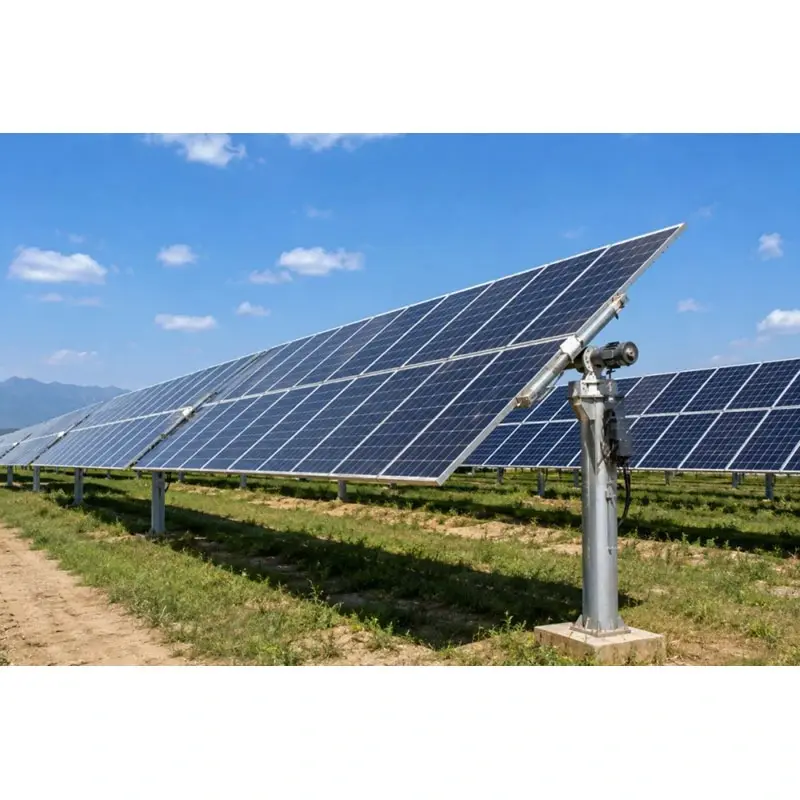
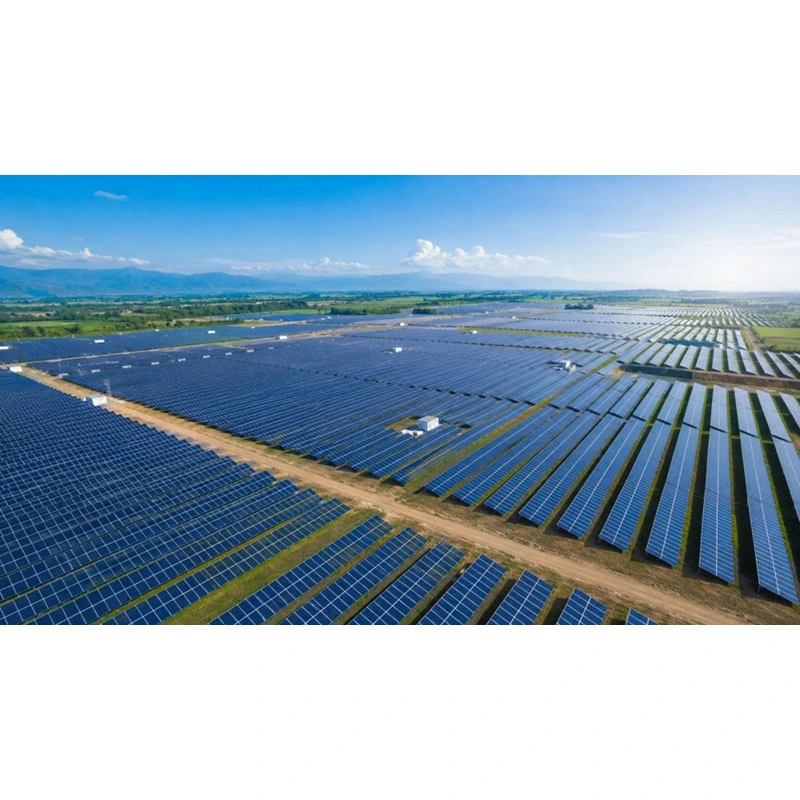
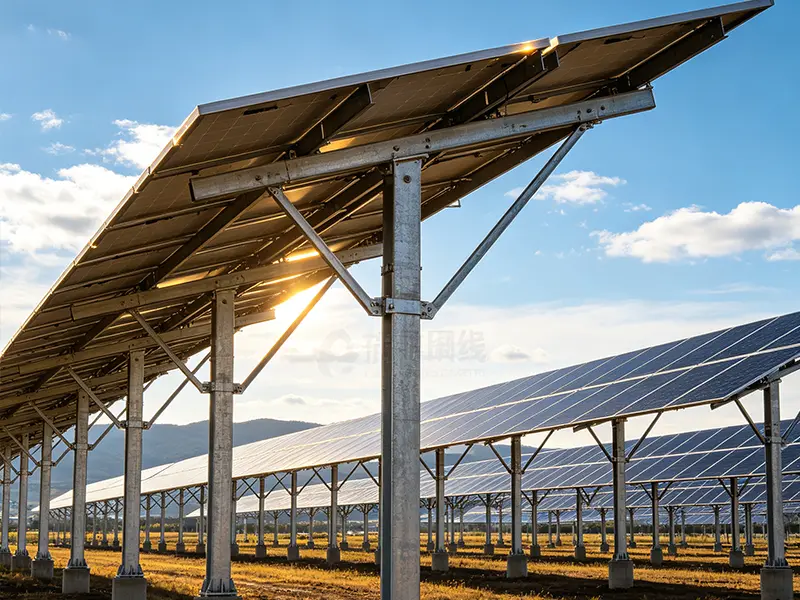
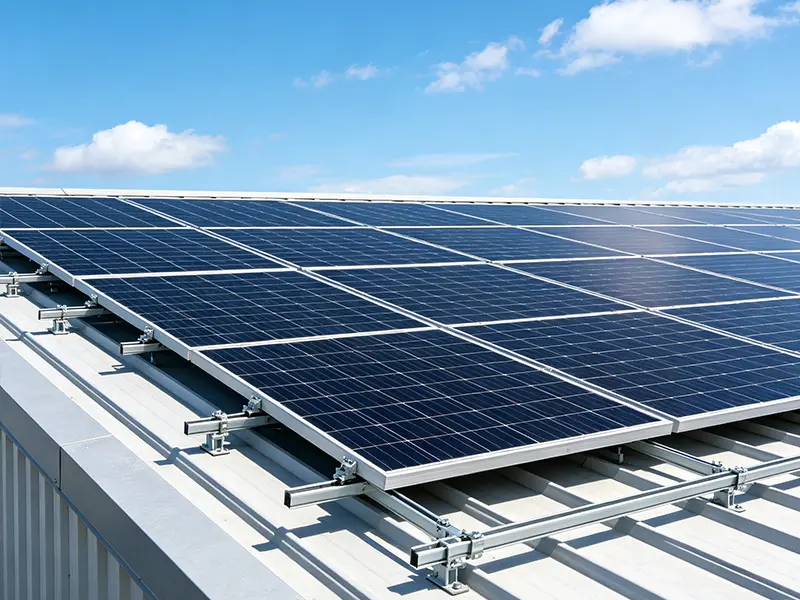
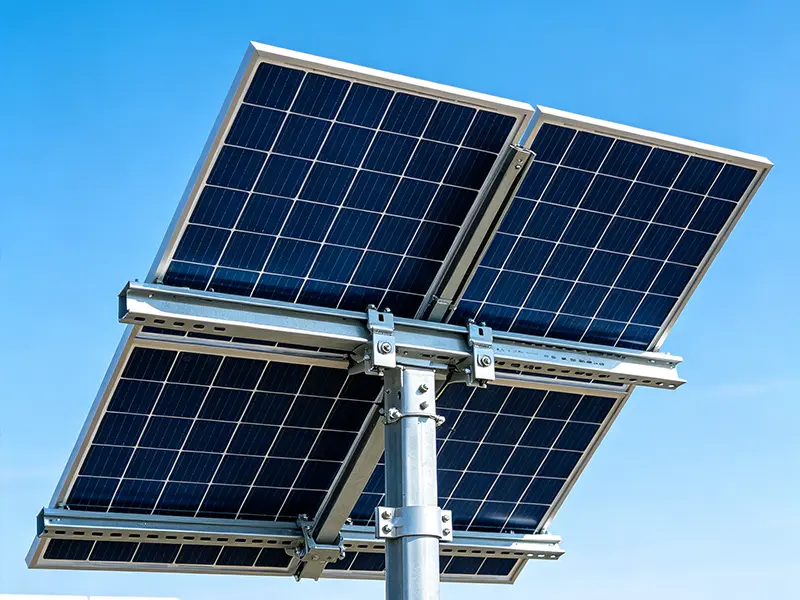
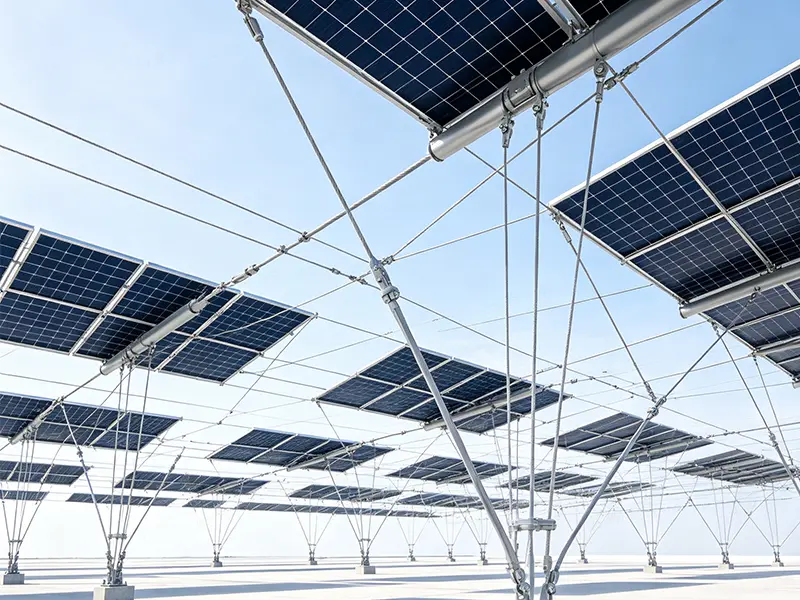
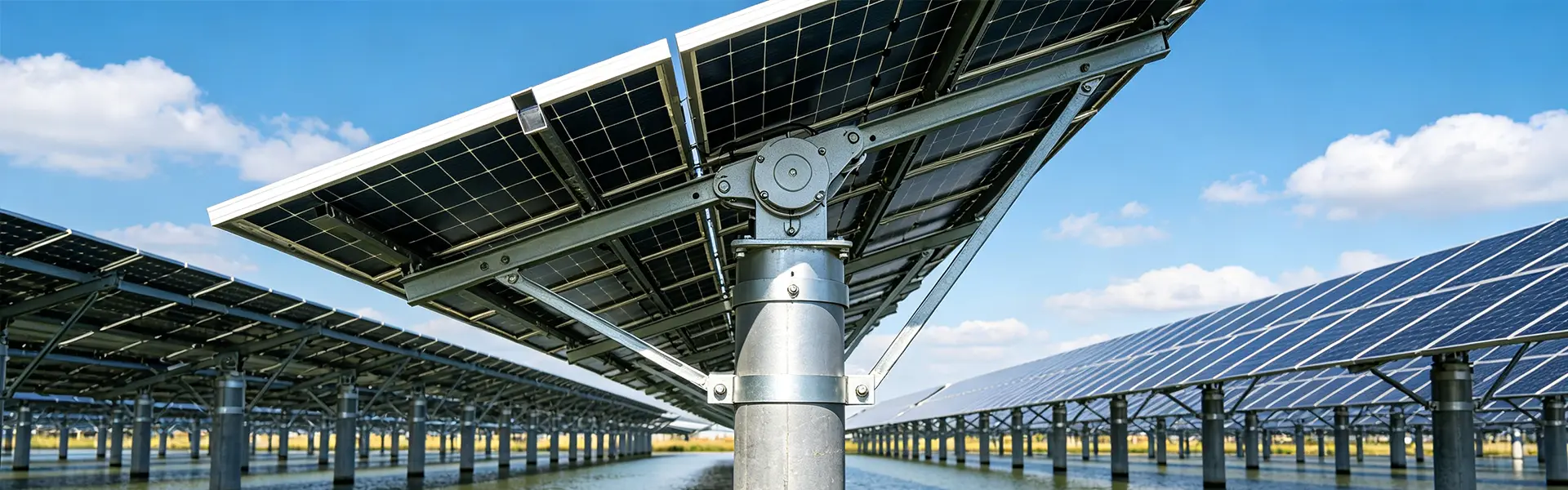
The PV array converts sunlight into electrical energy. A foldable support structure can be used to reduce the space occupied during transportation and provide a deployable arrangement at the site. The required array layout and deployment clearance should be considered before installation.
LFP battery energy storage
Lithium iron phosphate (LFP) batteries store generated electricity for use when solar output does not fully meet the connected load. Storage capacity should be selected according to the load profile, expected operating period and required energy reserve.
Hybrid inverter and conversion system
The inverter manages the conversion of electrical energy between the DC and AC sides of the system. Its ratings and operating modes must match the PV configuration, battery system and connected equipment. Grid or generator integration, including transfer behavior, depends on the selected electrical design.
Power distribution and protection
The distribution assembly delivers power to connected circuits and incorporates the electrical protection required by the system design. Input and output interfaces should be specified around the actual load types, voltage requirements and installation conditions.
EMS controller and communication interface
The controller collects supported operating data and applies configured energy-management rules. Communication options may include 4G, 5G, Wi-Fi or LAN, depending on the installation and selected hardware. Reliable remote access also depends on network coverage and the communication service available at the site.
Mobile enclosure or trailer platform
The main equipment can be arranged in a container-based or trailer-based configuration. The platform affects transportation, placement, access for maintenance and the method used to deploy the PV array.
More visibility into remote operations
Generation, battery and load information can be made available through the configured monitoring interface. This helps operations personnel review system conditions without relying exclusively on physical inspections.
Energy use guided by configured control rules
The EMS can coordinate supported charging, discharging and load-management functions according to defined operating settings. This gives operators a more organized way to manage available solar energy and stored power.
Relocatable power infrastructure
The container or trailer format supports deployments where power equipment may need to move with a temporary project or changing site layout. A foldable PV arrangement can also help manage transportation and deployment space.
Capacity options for different operating demands
PV generation and battery storage can be configured across different capacity ranges. This allows the system design to account for both the energy generated during the day and the amount of stored energy needed outside peak solar periods.
Configurable monitoring and communications
Communication and monitoring options can be selected according to site connectivity and operating needs. The remote-management setup should be specified together with the power system rather than treated as an independent add-on.
Remote camps and field facilities
Remote monitoring can help site teams review generation, storage and load conditions where routine access to the equipment is inconvenient.
Mining and construction sites
A relocatable power installation can support temporary site operations. Capacity planning should account for machinery startup demand, changing work schedules and the availability of other power sources.
Temporary off-grid projects
The system can be configured for temporary facilities that need local solar generation and energy storage. The final design should reflect daily consumption, expected autonomy and seasonal solar conditions.
Remote project and service locations
For installations spread across distant sites, a supported EMS platform can provide centralized operating visibility. Network availability and the number of installations supported should be assessed when defining the monitoring solution.
When specifying the Smart Mobile Solar Power Station, start with the actual power demand and operating pattern rather than selecting PV and battery capacity independently.
Assess the load profile
List the equipment to be powered, its rated demand, operating hours and starting-current requirements. Identify critical loads that must remain supplied when solar generation is low.
Estimate daily energy consumption and autonomy
Daily energy use helps determine the required generation and storage capacity. The autonomy requirement indicates how long the system should support the defined load under limited or unavailable solar input.
Match PV generation with storage
PV capacity affects how much energy can be generated under available sunlight, while battery capacity determines how much energy can be stored for later use. The design should consider local solar conditions, seasonal variation, expected load and battery operating limits.
Define the electrical interfaces
Confirm output voltage, frequency, load type, protection requirements and whether a grid or generator connection is needed. Any source-switching or parallel-operation requirement should be included in the electrical design specification.
Plan deployment and site access
Check transportation access, ground bearing capacity, placement space and the clearance needed to unfold the PV array. Environmental exposure, wind conditions, anchoring and equipment access should also be addressed in the deployment plan.
Specify monitoring requirements
Identify which operating parameters need to be visible remotely, which events require alerts and whether centralized multi-site monitoring is necessary. Confirm network availability and the required communication hardware before finalizing the EMS configuration.
What does the EMS manage?
The EMS can monitor supported photovoltaic generation, battery status and connected-load information. Depending on the selected control configuration, it can also coordinate charging, discharging and load-management functions according to preset rules.
Can the system be monitored remotely?
Yes, when the selected EMS, communication hardware and software support remote access. Available options may include 4G, 5G, Wi-Fi or LAN. Actual access depends on the installed communication equipment, network coverage and platform functions.
Can local operation continue if the internet connection is interrupted?
Local control may continue for functions supported by the installed controller and its configured operating logic. Cloud monitoring and remote commands can be interrupted while the connection is unavailable. Local operation and data-recovery behavior should be verified for the selected EMS.
How long does deployment take?
The reference deployment range is approximately 30 minutes to 2.5 hours. Actual time depends on the platform, PV deployment method, site preparation, electrical connections and commissioning work. The deployment time should not be treated as a guarantee for every installation.
How should PV and battery capacity be selected?
Capacity selection should be based on the load profile, daily energy consumption, required autonomy, local sunlight conditions and the operating limits of the battery and inverter. These factors should be assessed together to avoid sizing the PV array or battery in isolation.
Can one platform monitor several installations?
Multi-site monitoring is available when supported by the selected EMS platform and software configuration. The required number of sites, user permissions, data access and communication arrangements should be included in the system specification.
Address
Cai Gongzhuang Industrial Zone, Jinghai District, Tianjin, China
Tel