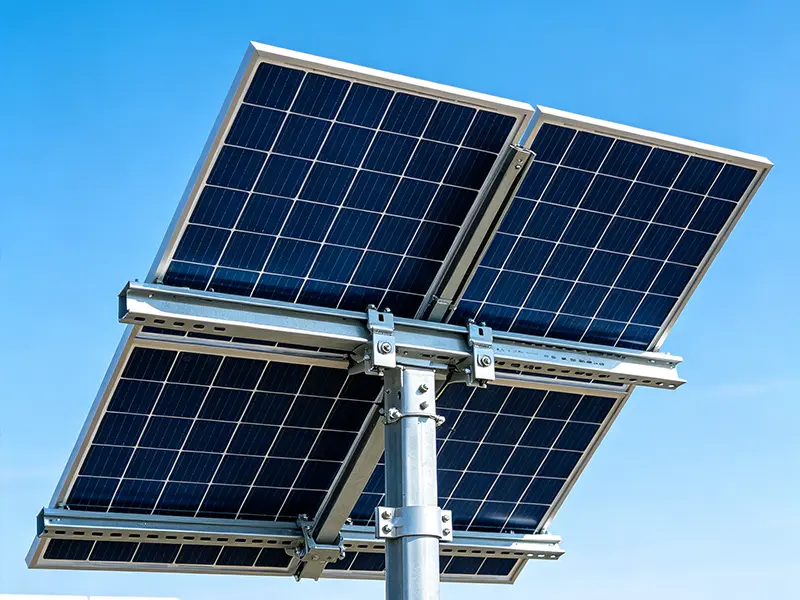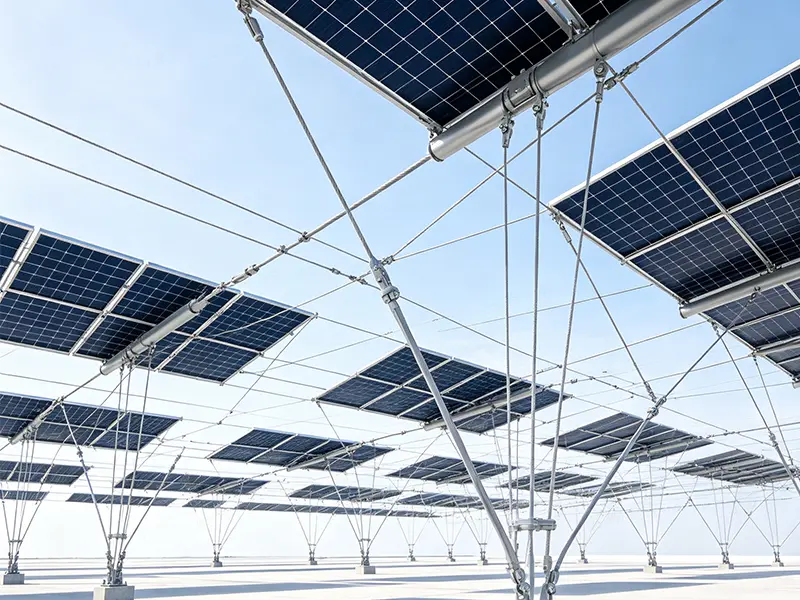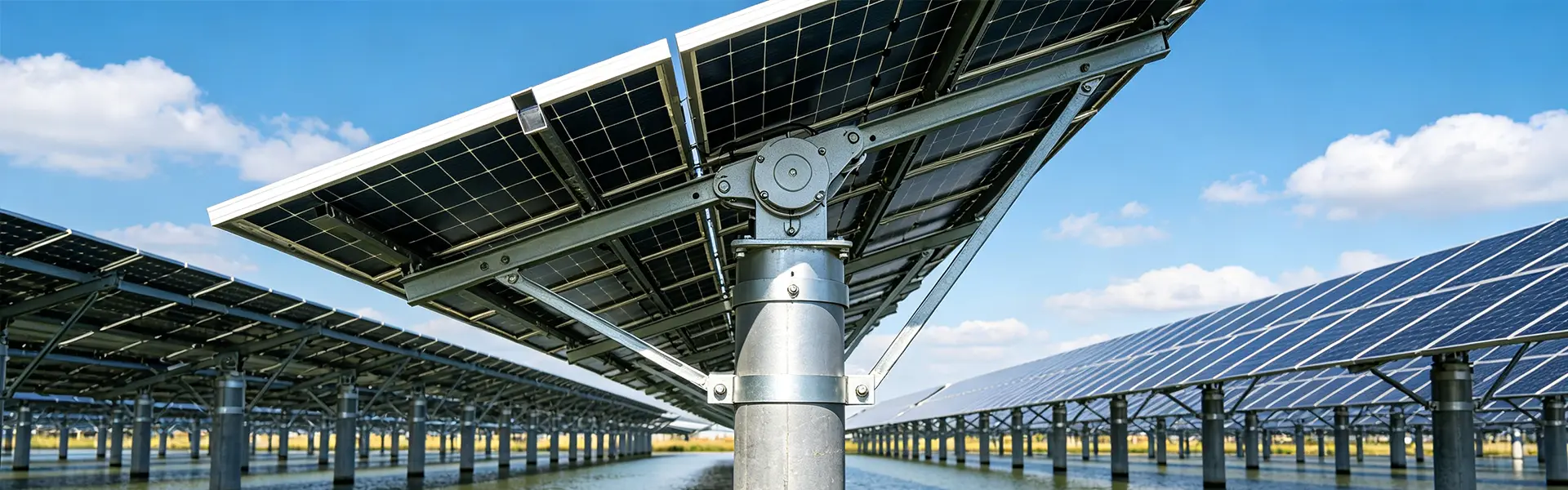
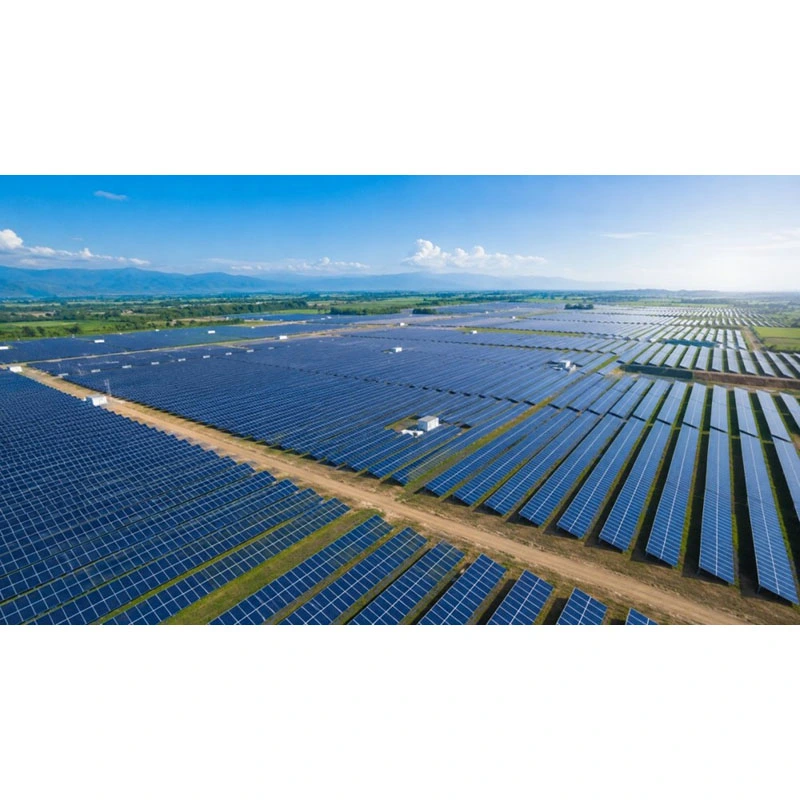
For projects that require mobile power generation without building a permanent solar installation, Baiyili provides a Mobile Solar Power Station in container-based or trailer-based configurations. The system integrates photovoltaic modules, a folding support structure and electrical equipment, with battery storage and energy management options selected according to the intended application.
Factory integration brings key equipment together before delivery, helping reduce the amount of on-site assembly. Depending on the selected configuration and site conditions, deployment involves positioning the unit, unfolding the PV array, completing the required electrical connections and checking system operation.
The system can be configured for grid-connected, off-grid or hybrid applications. Its suitability for a specific project depends on the required output, daily energy consumption, storage capacity, transportation constraints and local environmental conditions.
| Item | Specification |
|---|---|
| Product Name | Mobile Solar Power Station |
| Carrier Type | 20 ft / 40 ft container or customized trailer |
| PV Module Type | N-type TOPCon / bifacial double-glass modules |
| Installed PV Capacity | 50–300 kW, configurable |
| Energy Storage Capacity | 100–2,000 kWh, lithium iron phosphate (LFP) battery |
| Operating Mode | Grid-connected / off-grid / hybrid, subject to system configuration |
| PV Array Deployment | Automatic folding or manual expansion, depending on design |
| Deployment Time | Reference range: 1–4 hours; subject to site readiness and configuration |
| Operating Temperature | Reference range: -40°C to +60°C; confirm applicable equipment limits |
| Protection Rating | IP54, subject to confirmation of the applicable enclosure or equipment |
| Control System | EMS-based monitoring and energy management, according to configuration |
| Service Life | PV modules: stated design life of 25 years; energy storage and electrical systems: stated design life of 10 years, subject to component specifications and warranty terms |
| Transportation | Suitable truck, trailer or sea transport, subject to dimensions and weight |
A Mobile Solar Power Station is a transportable photovoltaic power generation system designed to be deployed at different locations as project requirements change. Unlike a conventional ground-mounted solar installation, it uses a container or trailer as its carrier and incorporates a foldable PV support structure to facilitate transportation and deployment.
Depending on the configuration, the system can combine solar generation, battery storage, inverter conversion, electrical distribution and energy management. It can serve temporary construction sites, remote facilities, field operations and other locations where a permanent power installation may be impractical.
The equipment can be transported by suitable road or sea freight arrangements. Actual transport requirements, lifting points, vehicle compatibility and deployment procedures depend on the overall dimensions, weight and structural design of the selected unit.
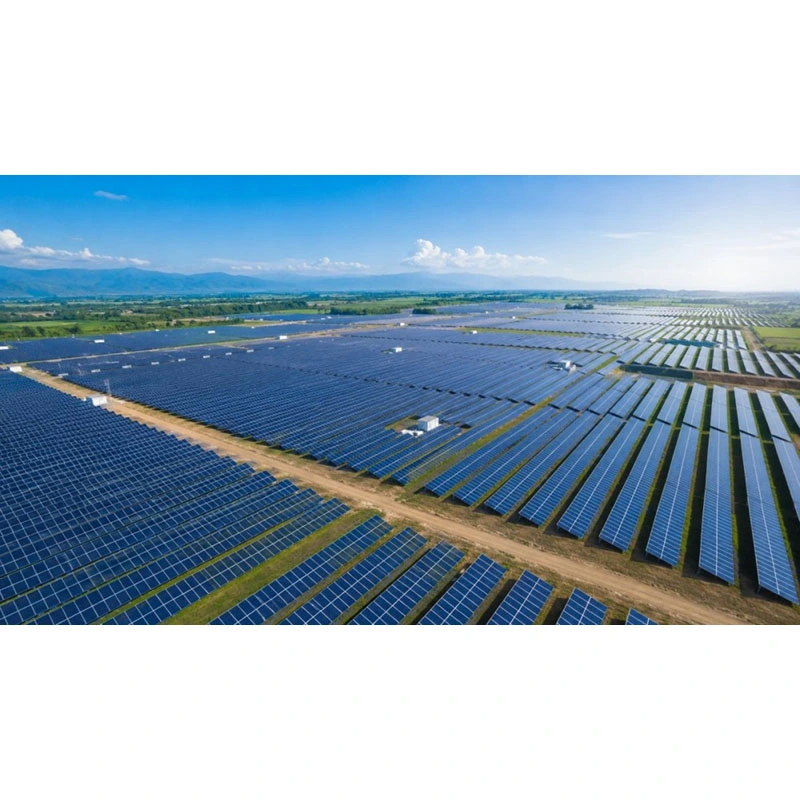
1 Transportable and Reusable Design
The container or trailer format allows the system to be moved between suitable project locations. The foldable PV structure is designed to reduce the space occupied by the array during transport. Reuse across multiple projects depends on transport arrangements, site compatibility and equipment condition.
2 Factory Integration for Easier Deployment
PV modules, support structures and selected electrical components can be integrated before shipment. This approach can reduce on-site assembly work compared with constructing a new fixed solar installation. Final positioning, electrical connection, grounding and commissioning must follow the project-specific installation instructions.
3 Flexible Grid-Connected and Off-Grid Configurations
The system can be configured for grid-connected operation, independent off-grid supply or a hybrid arrangement, subject to the selected inverter and electrical design. Battery storage can help balance differences between solar generation and load demand. Operating modes and switching functions depend on the supplied system configuration.
4 Foldable Photovoltaic Array
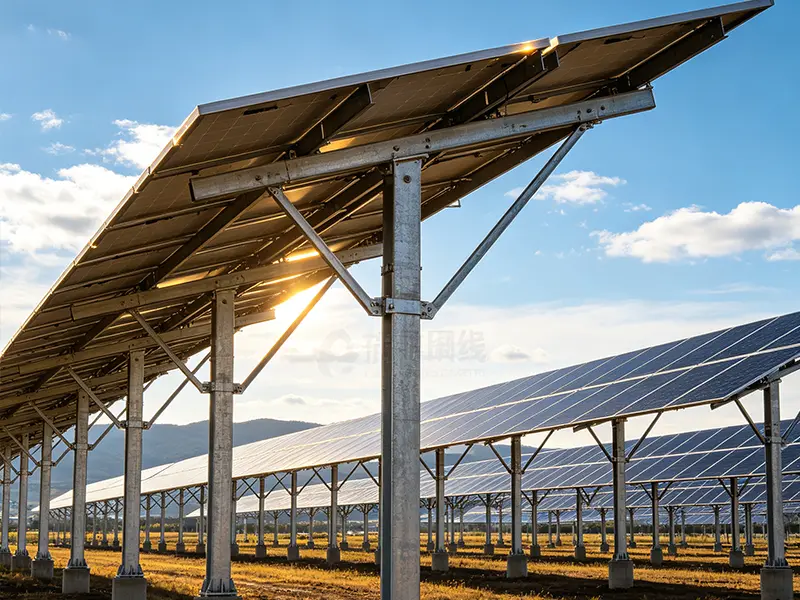
The folding support structure allows the PV array to be stowed for transportation and expanded for operation. Automatic or manual deployment can be selected according to the design. The deployed array area, operating clearances and mechanical requirements should be considered when planning the installation site.
5 Integrated Energy Management
An optional or configured energy management system can coordinate solar generation, battery charging and discharging, and connected loads. Remote monitoring functions, data access and alarm capabilities depend on the EMS hardware, software and communication arrangement supplied with the system.
6 Configuration for Different Environments
The equipment can be specified for different operating conditions, including hot, cold, dusty or humid environments. Ambient temperature limits, enclosure protection, corrosion resistance and wind-load requirements should be confirmed against the technical specifications of the selected configuration and the conditions at the installation site.
7 Solar Power with Battery Storage Options
Solar generation can reduce reliance on conventional fuel-powered generation where solar resources and system capacity are sufficient. Battery storage can supply energy when PV output is low, but available backup duration depends on usable battery capacity, load demand, conversion losses and charging conditions. The system does not inherently guarantee continuous power under every weather or load condition.
Note: The specifications above are reference values supplied for this product range. Final capacity, component selection, protection ratings, operating limits, deployment time and service-life terms should be confirmed in the technical proposal for the selected configuration.
1 Emergency Response and Temporary Projects
For temporary facilities and emergency operations, assess the equipment that must be powered first, including its starting current and operating schedule. A 50–100 kW PV configuration may be a starting point for evaluation, but actual sizing should account for peak demand, daily energy use, storage requirements and available solar resources.
2 Construction Sites and Engineering Camps
Construction sites may have changing loads from tools, lighting, pumps, offices and accommodation facilities. A 100–200 kW configuration can be evaluated for medium-scale applications. Battery capacity should be selected according to evening demand, expected operating hours and the required backup period.
3 Remote Mining and Off-Grid Facilities
For remote sites without grid access, evaluate daily energy consumption, seasonal solar availability, battery autonomy and backup arrangements. Bifacial modules may be suitable where the installation surface and surrounding conditions provide useful reflected light. Their actual contribution depends on site conditions and system design.
4 Desert and Dusty Locations
Confirm the required dust protection, cooling arrangement, enclosure design and operating-temperature limits. Wind loading and the safe deployment of the folding array should also be assessed for the intended location.
5 Coastal and Humid Environments
Specify suitable corrosion protection for the structure, fasteners and electrical enclosures. Salt exposure, humidity, drainage and maintenance access should be considered during configuration and installation planning.
6 Projects Requiring Relocation
For phased construction or repeated deployment, compare transport dimensions, total weight, lifting and securing requirements, folding and unfolding procedures, and the time needed for recommissioning. A reusable design can support relocation, but transport and site preparation requirements remain project-specific.
1 Project Configuration and Design
The project requirements are reviewed to determine PV capacity, storage capacity, deployment method, operating mode and environmental conditions. Structural and electrical designs are developed around the selected configuration.
2 Component Inspection
Key components are checked against their applicable specifications and procurement requirements. Inspection items may include PV module documentation, battery and inverter specifications, structural materials and enclosure components.
3 Container and Folding Structure Fabrication
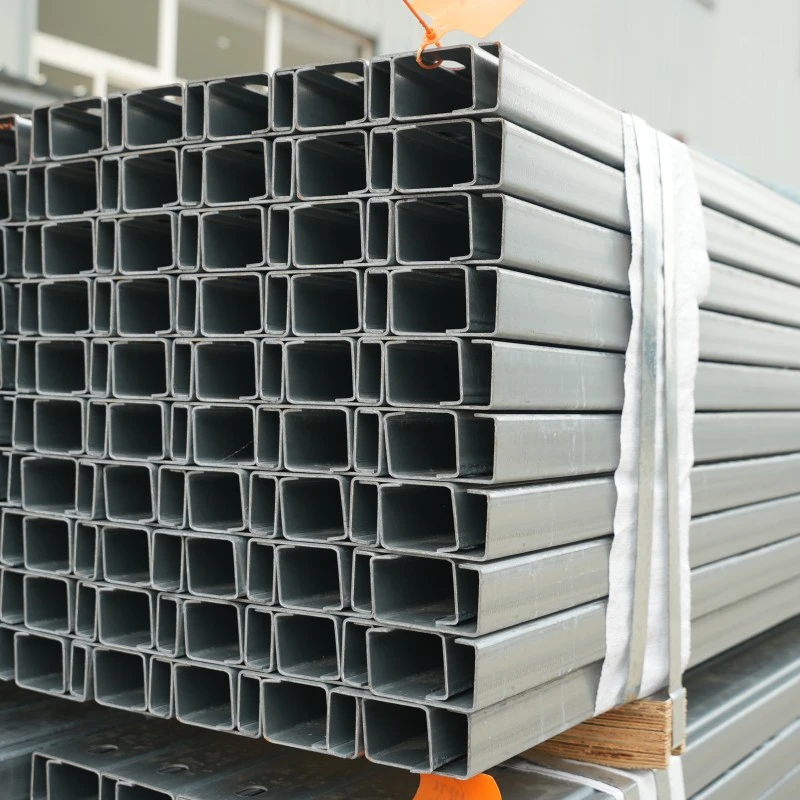
The carrier and folding support structure are manufactured according to the approved design. Relevant fabrication and finishing checks address structural dimensions, assembly interfaces and specified surface protection.
4 Electrical Integration
Selected electrical equipment is installed and connected according to the system design. Wiring, protective devices, grounding provisions and equipment mounting should be checked before system commissioning.
5 System Commissioning
The integrated system is checked against the supplied configuration. Applicable tests may cover PV input, inverter operation, battery charging and discharging, electrical protection and energy management functions.
6 Folding Mechanism Inspection
The folding and unfolding mechanism is inspected according to the design and applicable test procedure. Relevant checks include movement, alignment, locking arrangements and safe operating clearances.
7 Final Inspection and Delivery
Before shipment, the unit should undergo the inspections and functional checks specified for the order. Technical documentation, packing arrangements and transport requirements are prepared according to the destination and delivery method.
Q1: Can a Mobile Solar Power Station operate without a utility grid?
Yes, if the selected system is designed for off-grid operation and includes the required inverter, controls and energy storage. The available supply depends on PV generation, battery capacity, load demand and operating conditions.
Q2: Is professional installation required on site?
The system is designed to reduce on-site assembly through factory integration. However, positioning, grounding, electrical connections, safety checks and commissioning may require qualified personnel. Follow the installation instructions supplied for the specific configuration.
Q3: Can the equipment be moved between different projects?
Yes, the container or trailer design can support relocation when transport and site requirements are met. Before moving the unit, follow the specified shutdown, electrical isolation, folding, securing, lifting and transportation procedures.
Q4: Can the system supply power at night or during cloudy weather?
Battery storage can provide power when solar generation is insufficient. The duration depends on usable battery capacity, connected loads, conversion losses and the amount of energy available for recharging. Extended periods of low solar generation may require load management or an additional power source.
Q5: Can the system operate in harsh outdoor environments?
The system can be configured for specified outdoor conditions. Confirm the applicable temperature range, enclosure protection rating, wind-load requirements and corrosion protection for the selected model before deployment.
Q6: Does the system support remote monitoring?
An EMS-based monitoring system can be included according to the selected configuration. Available functions may include operating-status monitoring, energy data and alarms. Remote access depends on the supplied communication equipment, software and network availability.
Q7: What information is needed to select a suitable system?
Provide the required output power, daily energy consumption, load types and starting currents, expected operating hours, required backup duration, grid availability, site conditions and transportation constraints. These details help determine the PV capacity, battery size, inverter configuration and deployment arrangement.
Address
Cai Gongzhuang Industrial Zone, Jinghai District, Tianjin, China
Tel