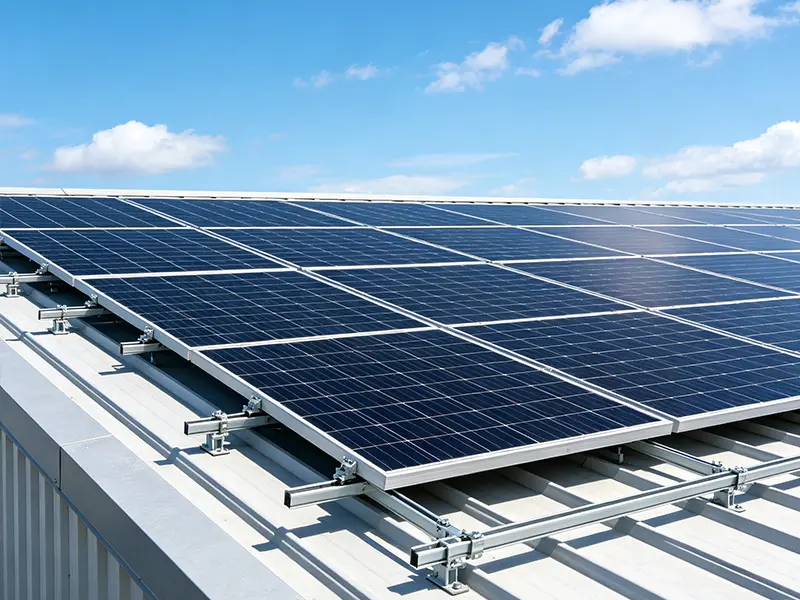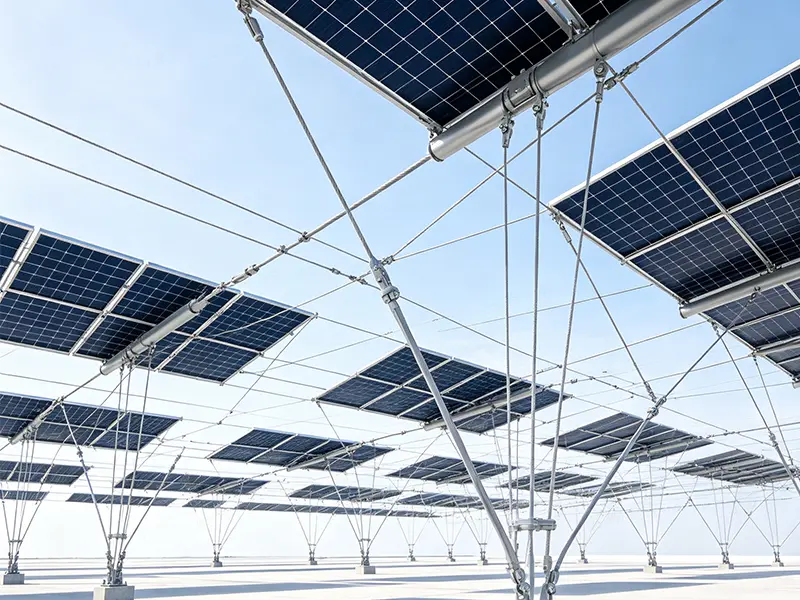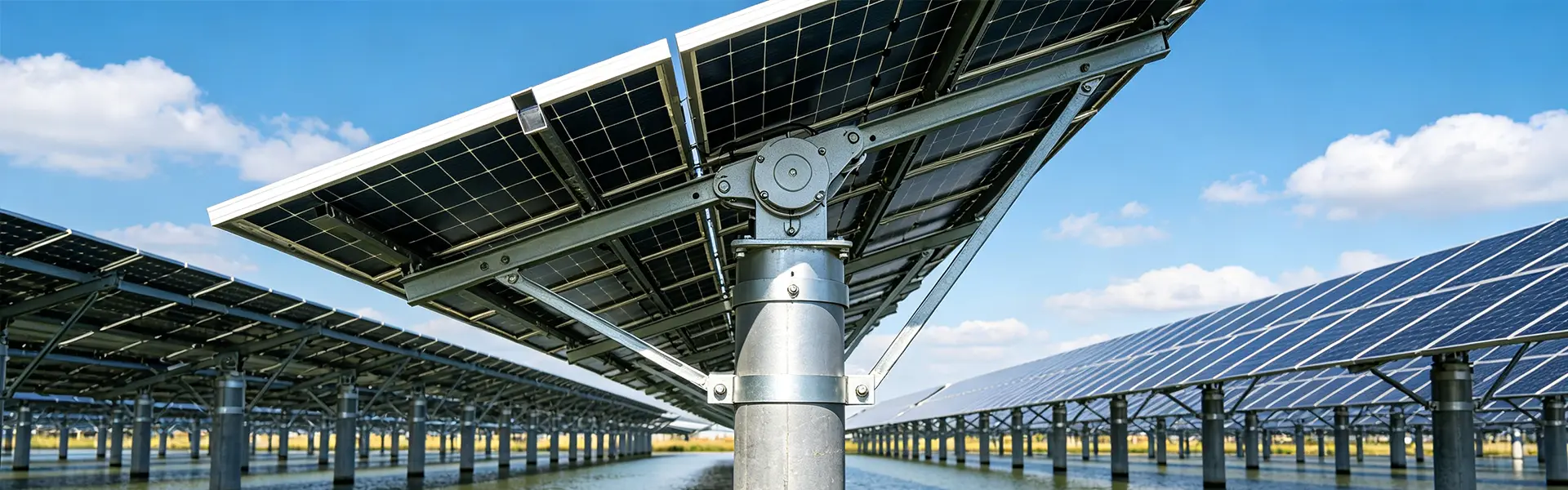
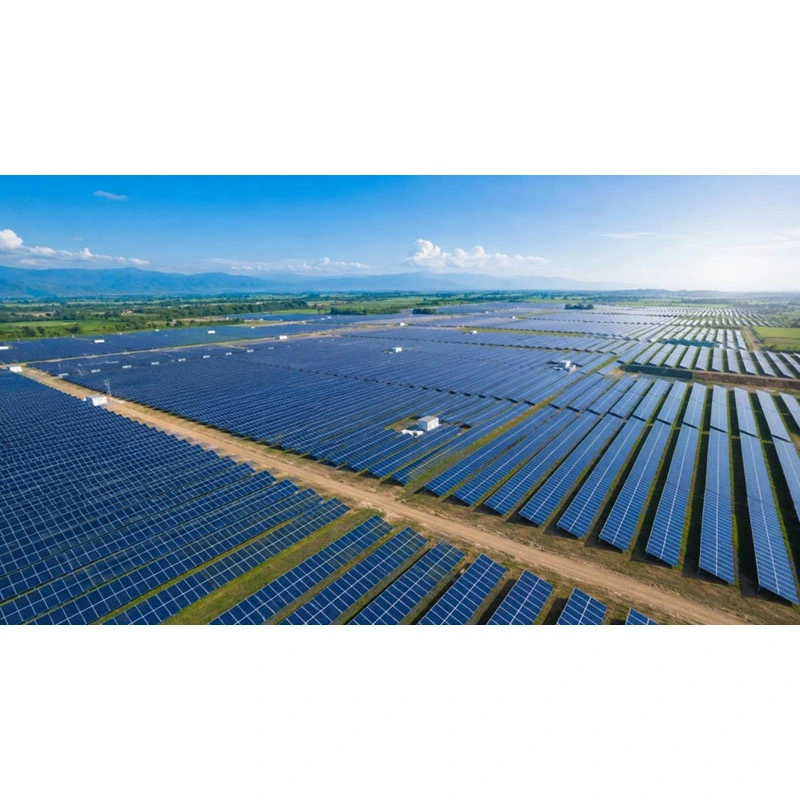
Designed for projects that need flexible solar power without constructing a permanent ground-mounted installation, the Deployable Mobile Solar System integrates a foldable PV structure, solar modules and electrical equipment within a transportable container or trailer platform. Battery storage, inverter configuration and energy management functions can be selected according to the intended application.
The system is designed to simplify transportation and on-site deployment. Depending on the selected configuration, the PV array can be expanded manually or through an electric folding mechanism. Factory integration helps reduce on-site assembly work, while final electrical connections, grounding and commissioning are completed according to the project requirements.
With configurable PV capacity and energy storage, the system can support grid-connected, off-grid or hybrid applications. Key selection factors include load demand, daily energy consumption, required backup duration, transportation conditions and the operating environment.
A deployable mobile solar system is a transportable photovoltaic power solution designed to be unfolded and put into operation at a suitable site. Unlike conventional fixed solar installations, it combines a movable carrier with a foldable PV support structure, allowing the equipment to be transported between project locations.
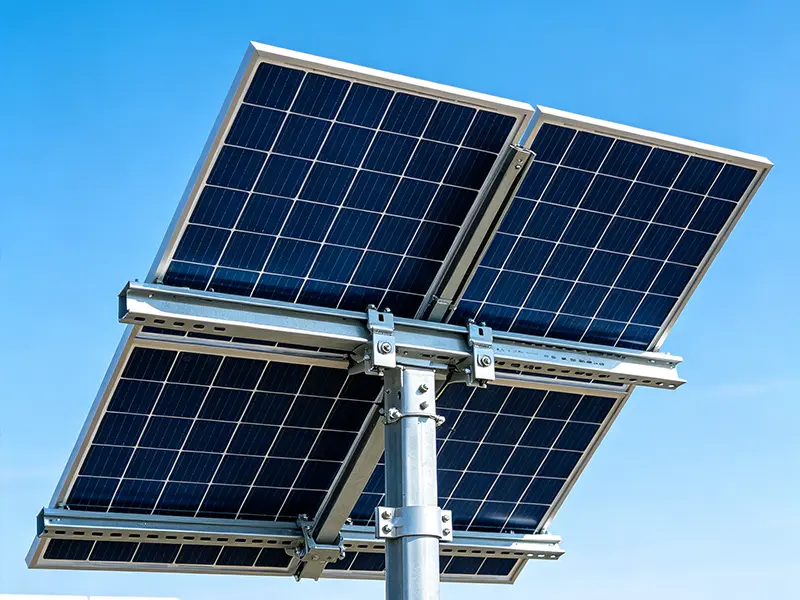
Depending on the configuration, the system can integrate solar modules, a folding mechanism, an inverter, battery storage, electrical distribution and an energy management system. The foldable structure helps reduce the space occupied by the PV array during transportation and provides a larger operating area after deployment.
This type of equipment is suitable for temporary construction sites, emergency response operations, remote camps, field research and other applications where mobility and deployment flexibility are important. Its actual deployment time and operating capability depend on the system configuration, site preparation and electrical requirements.
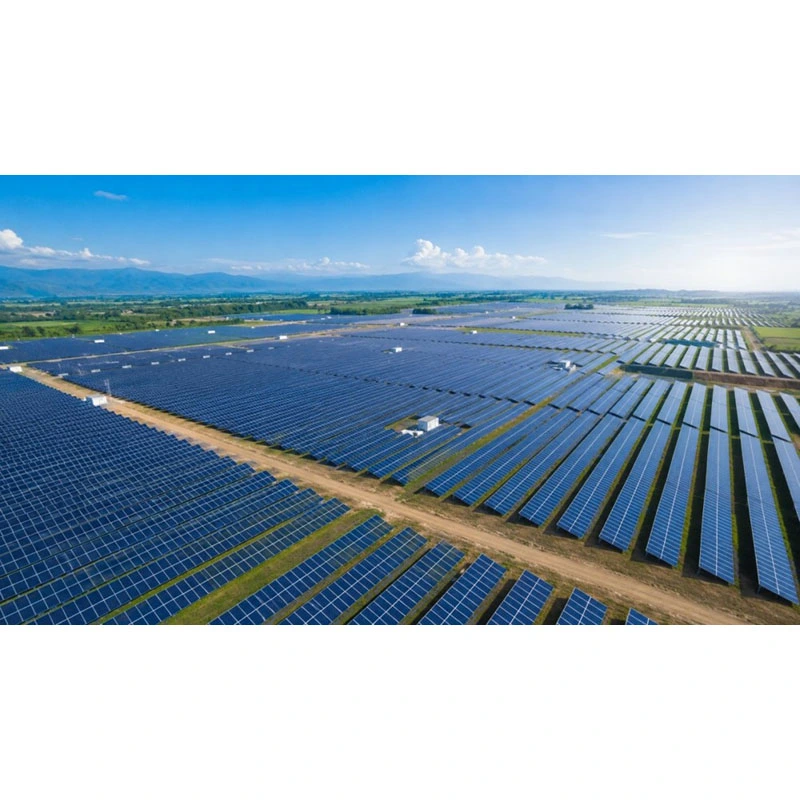
Factory integration brings the main PV and electrical components together before delivery, reducing the amount of assembly required at the project site. Deployment typically involves positioning the unit, unfolding the array, securing the structure, completing required electrical connections and checking system operation.
The foldable PV array can be secured in its transport position and expanded for operation. Container-based and trailer-based configurations can be evaluated according to transport dimensions, total weight, lifting arrangements and access to the installation site.
The system can be configured for grid-connected, off-grid or hybrid operation, depending on the inverter and electrical design. Battery storage can help balance solar generation with load demand, while the required operating mode should be specified when selecting the system.
The system can be specified for its intended outdoor environment. Temperature limits, enclosure protection, corrosion resistance and structural wind-load requirements should be confirmed against the technical documentation of the selected configuration.
An EMS can coordinate PV generation, battery charging and discharging, and connected loads. Remote monitoring, alarms and automatic energy scheduling depend on the supplied control equipment, communication interfaces and software configuration.
Solar generation can reduce fuel consumption when it replaces part of the energy supplied by conventional generators. Battery storage can extend power availability beyond daylight hours, but backup duration depends on usable storage capacity, load demand and available solar energy. A separate backup source may be necessary for applications requiring continuous power during extended periods of low solar generation.
PV capacity, battery capacity, carrier type and electrical equipment can be configured around project requirements. Before expanding a system or combining multiple units, confirm inverter compatibility, electrical interfaces, protection coordination and the intended operating arrangement.
| Item | Specification |
|---|---|
| Product Name | Deployable Mobile Solar System |
| Structural Form | Foldable container type / deployable trailer type |
| PV Module Type | N-type TOPCon / bifacial double-glass modules |
| PV Capacity | 20–300 kW, configurable |
| Energy Storage Capacity | 50–2,000 kWh, lithium iron phosphate (LFP) battery |
| Deployment Method | Electric automatic folding / manual unfolding, depending on configuration |
| Deployment Time | Reference range: 30 minutes–2 hours, subject to site readiness and configuration |
| Operating Mode | Grid-connected / off-grid / solar-storage hybrid, subject to system design |
| Operating Temperature | Reference range: -40°C to +60°C; confirm applicable component limits |
| Protection Rating | IP54, subject to confirmation of the applicable enclosure or equipment |
| Control System | EMS-based monitoring and energy management, according to configuration |
| Design Life | PV modules: stated design life of 25 years; complete system: stated design life of 10 years, subject to component specifications and warranty terms |
| Transportation | Truck / trailer / sea freight, subject to dimensions and weight |
Mobile solar equipment can provide power for temporary lighting, communication equipment, field offices and selected rescue equipment. System sizing should account for peak load, daily energy demand, available sunlight and the required backup period.
Road construction, mining operations and temporary engineering camps may require power for tools, lighting, site offices and accommodation facilities. PV capacity and storage should be selected according to equipment operating schedules and the availability of other power sources.
Mountainous regions, pastoral areas, islands and remote monitoring stations may use an off-grid configuration where utility power is unavailable or difficult to access. The system design should account for seasonal solar resources, battery autonomy and backup requirements.
Transportable power equipment may be considered for temporary field camps, training sites and support facilities. Capacity, transportability, acoustic requirements, environmental protection and electrical safety should be evaluated for the intended application.
Geological surveys, environmental monitoring and field research may require power at locations with limited infrastructure. The system can be configured around instrument loads, operating schedules and the expected duration of field deployment.
Outdoor exhibitions, temporary facilities and phased construction projects may benefit from equipment that can be transported and redeployed. Site access, transport logistics, setup procedures and power requirements should be assessed before selecting a configuration.
Project requirements are reviewed to determine PV capacity, battery capacity, deployment method, operating mode and environmental conditions. Structural and electrical designs are prepared for the selected configuration.
Key components are checked against their applicable specifications and procurement requirements. Inspection items may include PV module documentation, battery specifications, inverter ratings and structural materials.
The folding support structure and carrier frame are fabricated according to the approved design. Relevant checks cover dimensions, assembly interfaces, structural connections and specified corrosion protection.
PV modules, inverter equipment, battery components and distribution equipment are installed according to the system design. Wiring, protective devices, grounding provisions and component mounting should be checked before commissioning.
The folding mechanism is inspected according to the design and applicable test procedure. Checks may include movement, alignment, locking arrangements and the clearances required for safe deployment.
The assembled system is checked against the supplied configuration. Applicable tests may cover PV input, inverter operation, battery charging and discharging, electrical protection and energy management functions.
Before delivery, the system should undergo the inspections and functional checks specified for the order. Any claimed full-load aging test or repeated folding-cycle test should be supported by the relevant production records.
Packaging and securing arrangements are selected according to the carrier type, equipment dimensions and transportation method. Technical documents and shipment requirements are prepared for the destination.
Solar generation can reduce fuel consumption and operating noise when it replaces fuel-based power generation. The system can also be transported and redeployed when site conditions permit. However, solar availability, storage capacity and load demand determine how much generator backup may still be required.
The supplied reference range is 30 minutes to 2 hours, depending on the configuration and site conditions. The actual time may include positioning, unfolding, securing the structure, completing electrical connections and commissioning. Confirm what is included in the quoted deployment time.
Yes, if the selected configuration supports off-grid operation and includes the necessary inverter, controls and energy storage. The available power and operating duration depend on PV output, usable battery capacity and connected loads.
The structure is designed to fold for transportation and expand for operation. Its suitability for repeated use depends on the mechanical design, operating procedures, transport conditions and maintenance requirements. Any specified folding-cycle rating should be verified against the product documentation.
EMS-based monitoring can be included according to the selected configuration. Available functions may include operating-status data, energy information and alarms. Remote access depends on the supplied communication hardware, software and network availability.
The reference product range supports configurable PV capacity from 20 to 300 kW and battery storage from 50 to 2,000 kWh. The final combination should be determined by load demand, daily energy consumption, required backup duration, solar conditions and transportation constraints.
Provide the required output power, daily energy consumption, load types and starting currents, expected operating hours, desired backup duration, grid availability, site conditions and transportation limitations. These details help determine the PV array, battery capacity, inverter configuration and deployment arrangement.
Address
Cai Gongzhuang Industrial Zone, Jinghai District, Tianjin, China
Tel