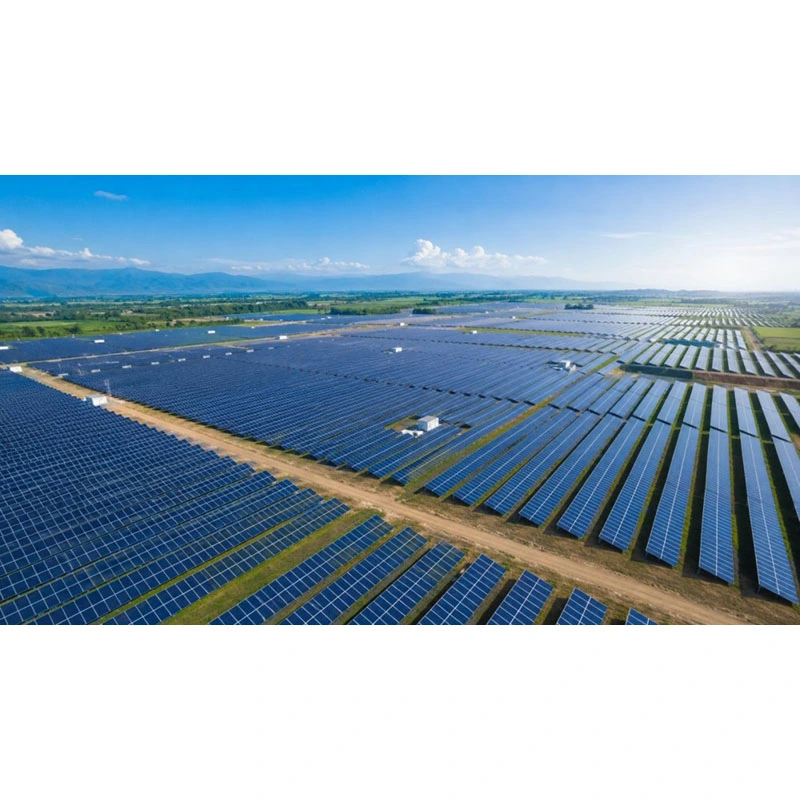
Baiyili New Energy is a China-based manufacturer of PV mounting structures, ground screws and structural metal components for utility-scale and commercial Solar Power Stations projects.
Our product range covers ground-mounted, rooftop, agricultural, flexible and carport mounting structures, together with the steel profiles, aluminum components and foundation-related products used in their assembly.
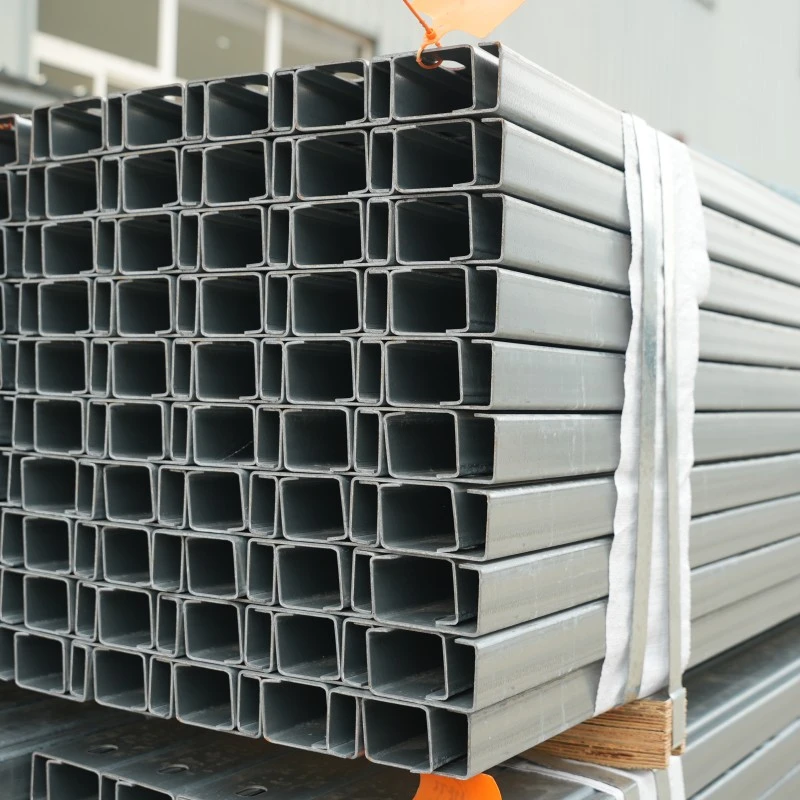
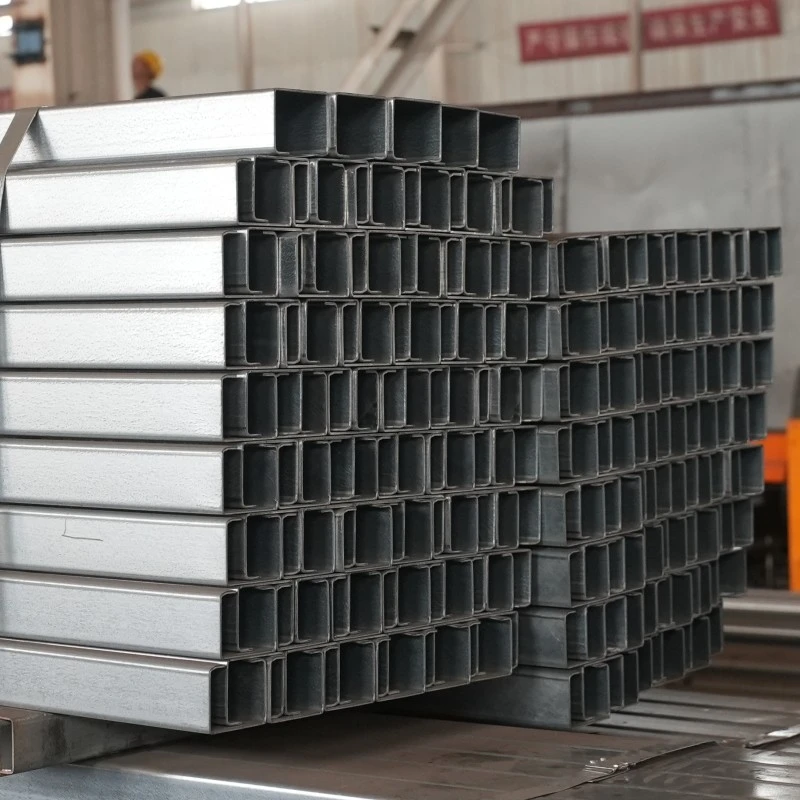
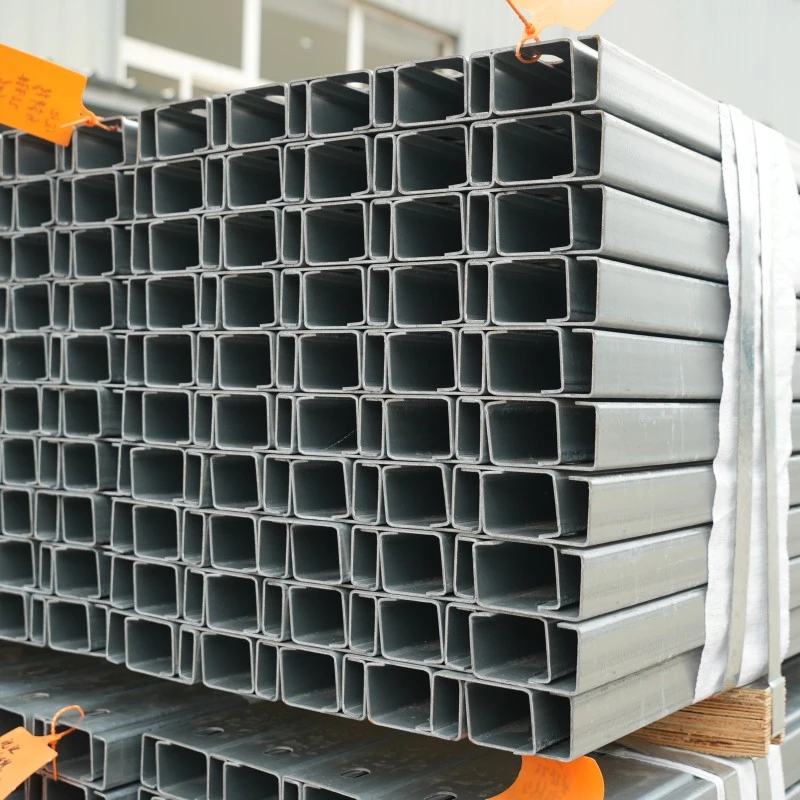
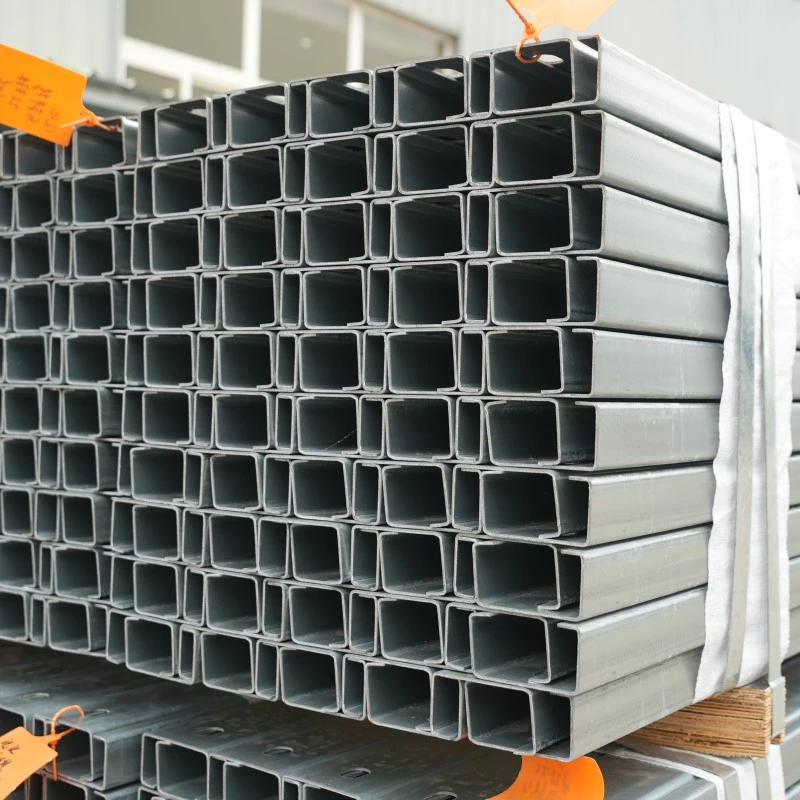
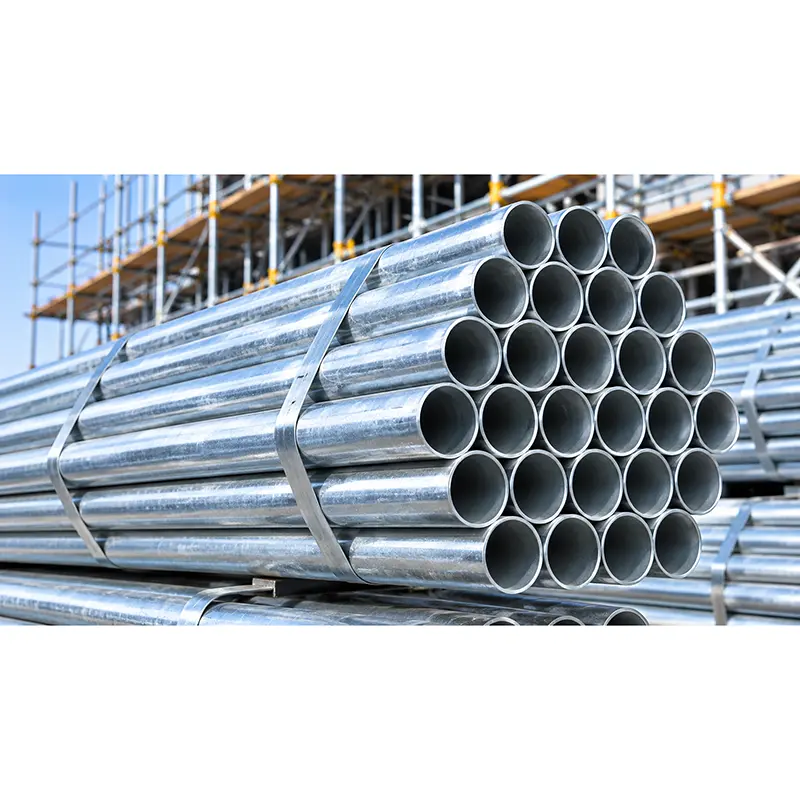
Depending on project requirements, structural components can be manufactured using hot-dip galvanized steel, Zn-Al-Mg coated steel and aluminum alloy profiles. Material selection, profile dimensions and connection details are evaluated according to structural loads, installation conditions and approved engineering drawings.
A photovoltaic power plant requires a coordinated mechanical support structure to secure PV modules, transfer structural loads and maintain the required installation geometry. Baiyili focuses on the mechanical and foundation-related components of these systems rather than complete electrical power generation equipment.
For EPC contractors, project developers and mounting system distributors, the supply combination can be evaluated against the project Bill of Materials (BOM), structural drawings and installation requirements.
Different photovoltaic installations require different structural configurations. Baiyili's product range covers the following mounting structures and related component categories used in solar power stations construction:
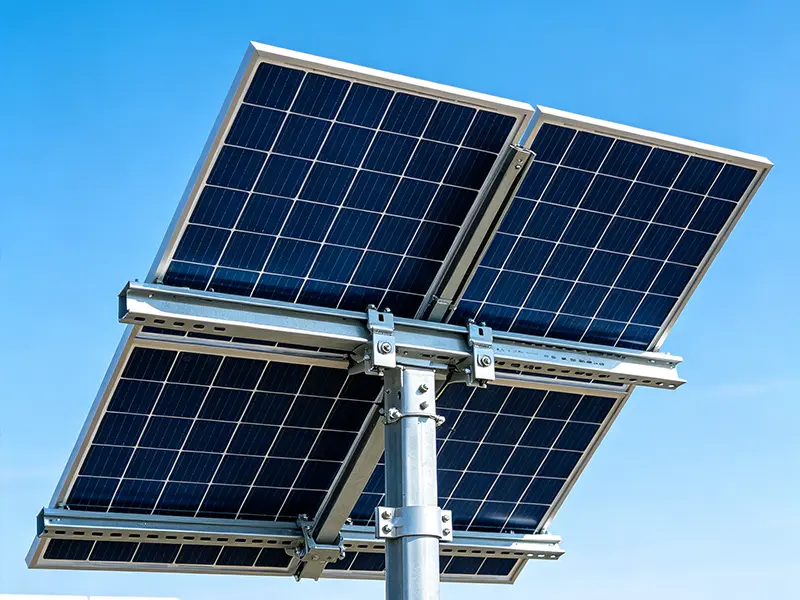
Structural steel and aluminum mounting assemblies for supporting PV modules in different installation configurations. Main components may include posts, beams, rails, purlins, brackets and module fixing hardware.
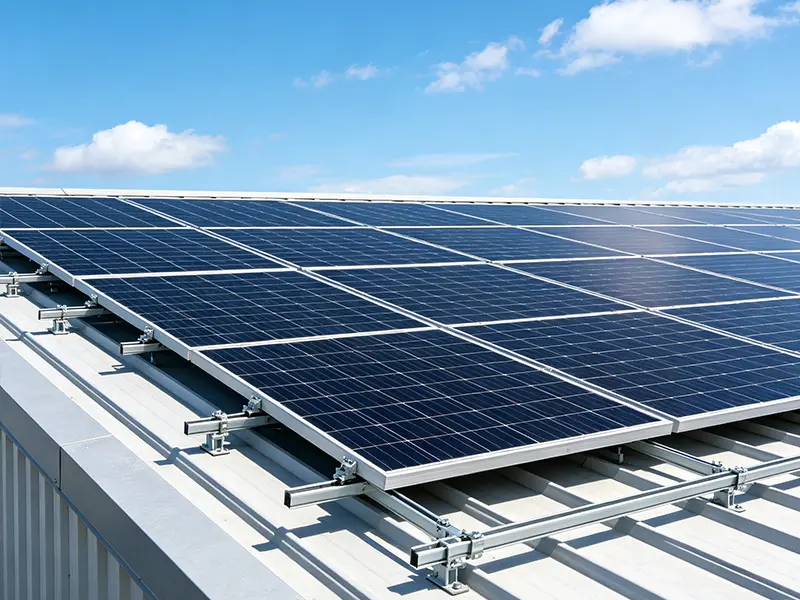
Rooftop PV support structures for commercial and industrial buildings. Depending on roof type and load-bearing conditions, mounting solutions can include fixed brackets, roof clamps and ballasted configurations.
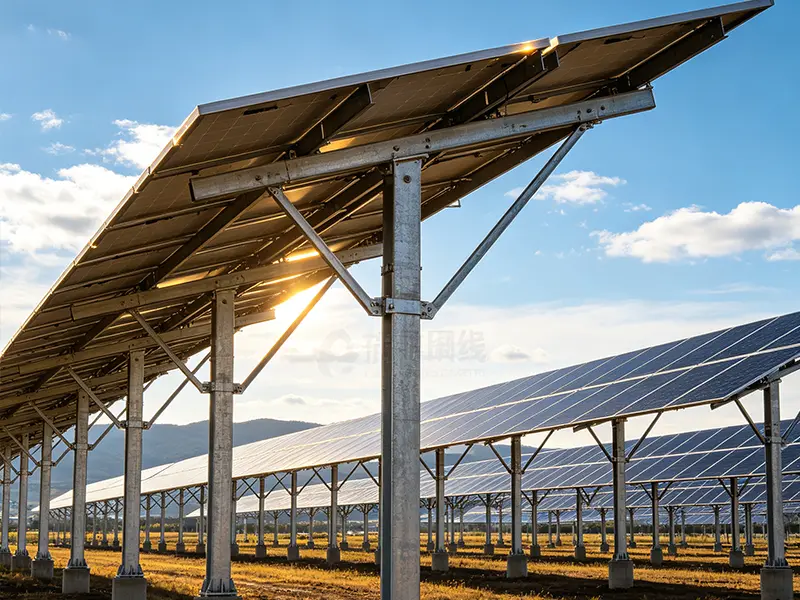
Ground-mounted support structures for utility-scale and commercial solar plants. Structural assemblies typically include foundation posts, support beams, purlins, braces and module mounting components.
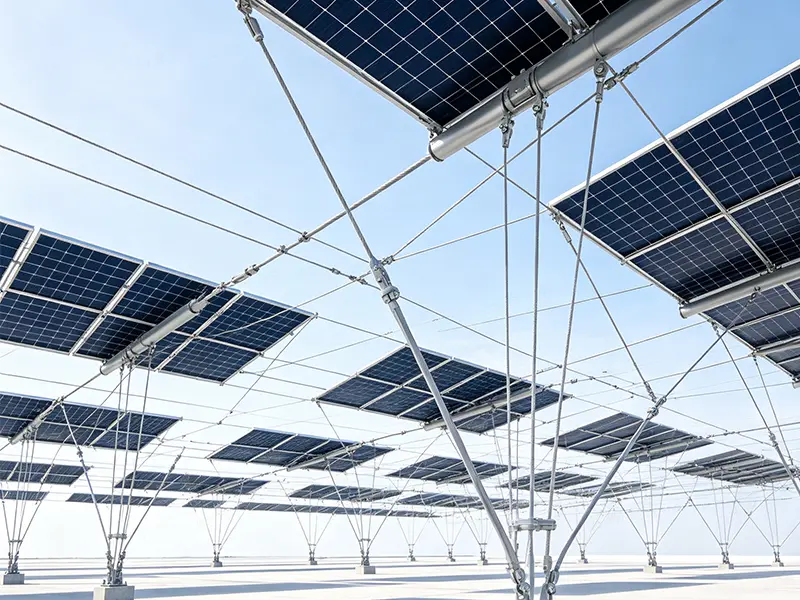
Cable-supported solar mounting structures designed for applications requiring longer spans or reduced ground obstruction. Project evaluation should consider cable tension, support spacing, terrain and structural loads.
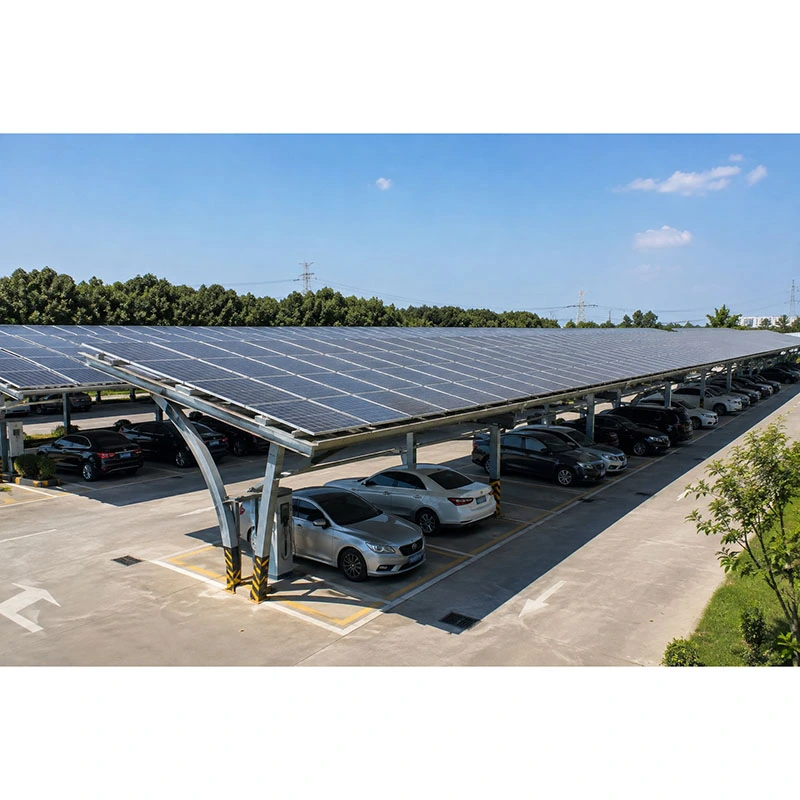
Steel or aluminum structural frameworks integrating solar panel support with vehicle parking areas. The design considers column arrangement, parking clearance, roof layout and site-specific wind and snow loads.
Transportable structural frames for portable and off-grid solar applications. Structural configuration and deployment requirements depend on the intended installation environment and mobility requirements.
Modular structural assemblies designed for container-based or transport-oriented solar applications. Component dimensions and connection arrangements are coordinated with the container layout and project installation plan.
Supporting mechanical components for different PV racking configurations, including connection brackets, rails, beams, clamps, splice plates, fasteners and foundation accessories.
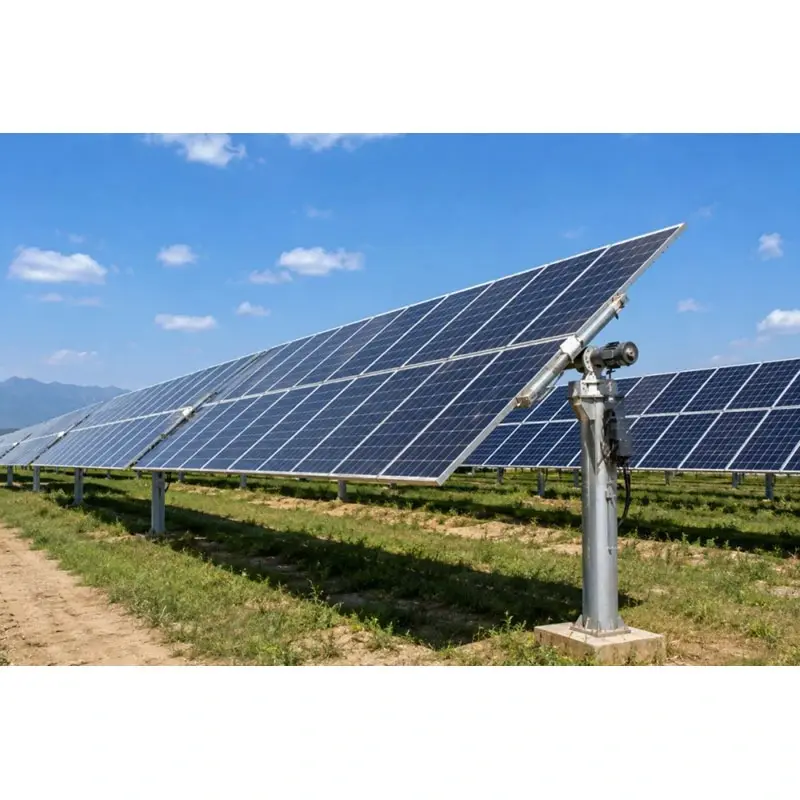
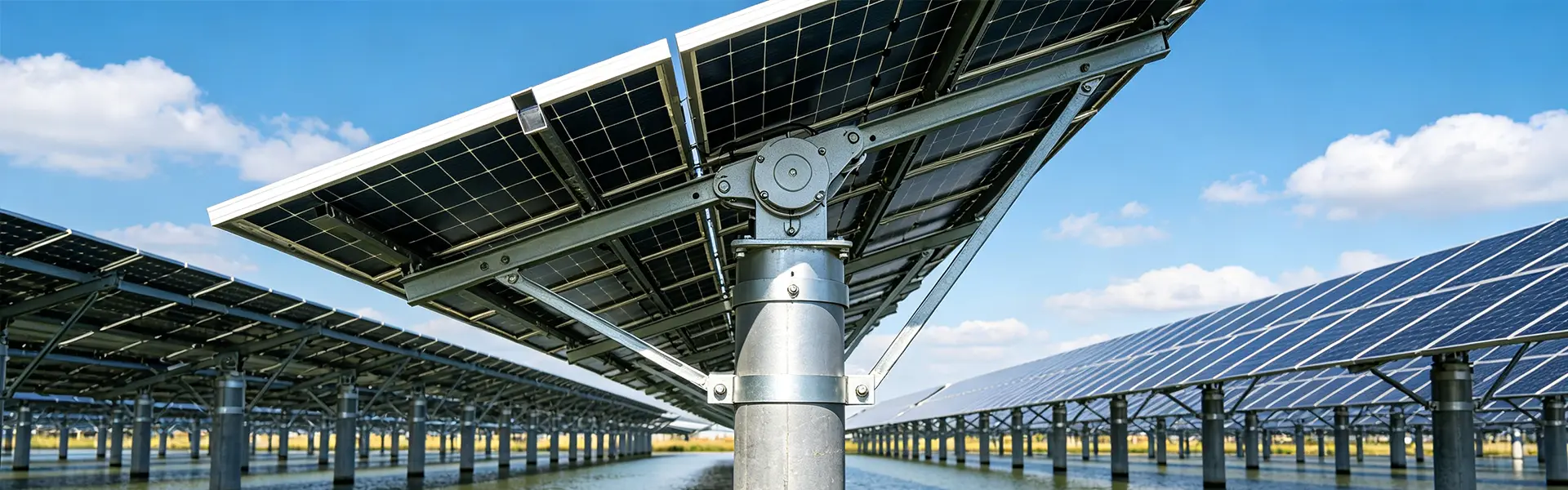
Mechanical support structures designed for compatibility with specified single-axis or dual-axis solar tracking equipment. Structural interfaces and connection dimensions must match the approved tracker design.
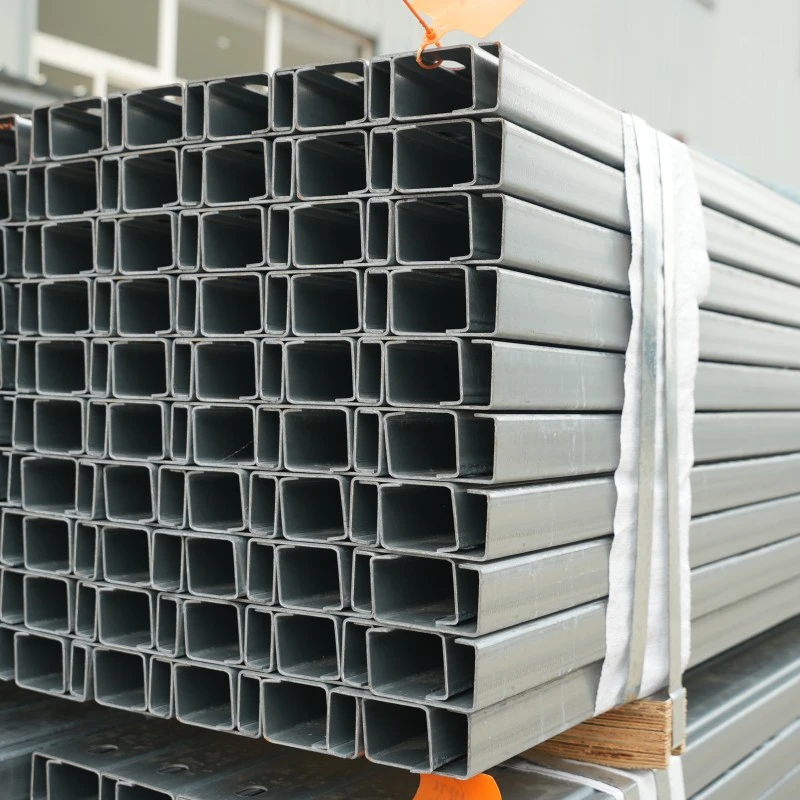
Individual metal components used in PV mounting assemblies, including ground screws, mid clamps, end clamps, splice plates, baseplates, connectors and custom structural profiles.
Material selection affects structural performance, corrosion protection, component weight and long-term maintenance requirements. Baiyili works with different metal material options to match the environmental and engineering conditions of photovoltaic projects.
| Material | Main Characteristics | Typical Project Considerations |
|---|---|---|
| Hot-Dip Galvanized Steel | Zinc coating provides corrosion protection for fabricated steel components. | Ground-mounted solar structures, support posts, beams and other load-bearing components. |
| Zn-Al-Mg Coated Steel | Zinc-aluminum-magnesium coating offers corrosion protection, with performance depending on coating composition, thickness and exposure conditions. | Solar mounting profiles and structural components requiring consideration of corrosion exposure and service conditions. |
| Aluminum Alloy | Lightweight material with good corrosion resistance and ease of profile fabrication. | Rooftop mounting rails, brackets and applications where structural weight is an important consideration. |
The appropriate material and surface treatment should be determined by the project's structural calculations, local environmental exposure, expected service conditions and applicable technical specifications.
Selecting a suitable mounting structure involves more than choosing a product category. Site conditions, foundation requirements, module arrangement and structural loads all affect the final configuration.
Evaluate wind and snow loads, soil bearing conditions, terrain slope, foundation type, module row spacing and maintenance access. Ground screw or embedded foundation solutions should be selected according to geotechnical and structural assessments.
Consider the clearance beneath the PV modules, support column spacing, agricultural machinery access, shading requirements and the intended farming activities when determining structural height and layout.
Confirm roof construction, available installation area, roof load capacity, module dimensions, fixing conditions, drainage paths and wind uplift requirements before specifying mounting brackets or ballasted systems.
Determine parking bay dimensions, vehicle clearance, column positions, drainage arrangements and structural loading conditions. These factors influence the arrangement of columns, beams and supporting members.
For EPC contractors and project procurement teams, providing accurate technical information helps establish a suitable mounting structure configuration and reduces discrepancies between component specifications and site installation requirements.
Final structural design and foundation suitability must be verified by qualified project engineers in accordance with applicable local building codes and project-specific engineering standards.
For large-volume procurement, component consistency, fabrication accuracy, material selection and manufacturing capacity are important factors in coordinating project production and installation.
Baiyili supplies a range of interconnected structural components, including posts, purlins, beams, clamps, baseplates, ground screws and connection hardware. Manufacturing dimensions and connection interfaces can be coordinated against approved drawings to support component compatibility during assembly.
Hot-dip galvanized steel, Zn-Al-Mg coated steel and aluminum alloy profiles provide different options for structural strength, corrosion protection and component weight. Material selection can be evaluated according to project location and technical requirements.
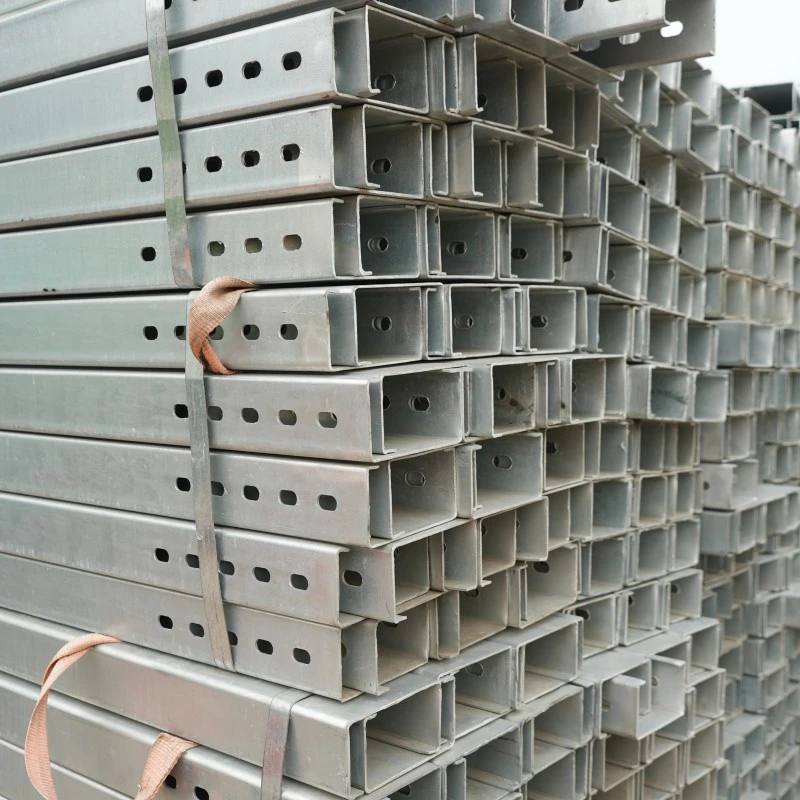
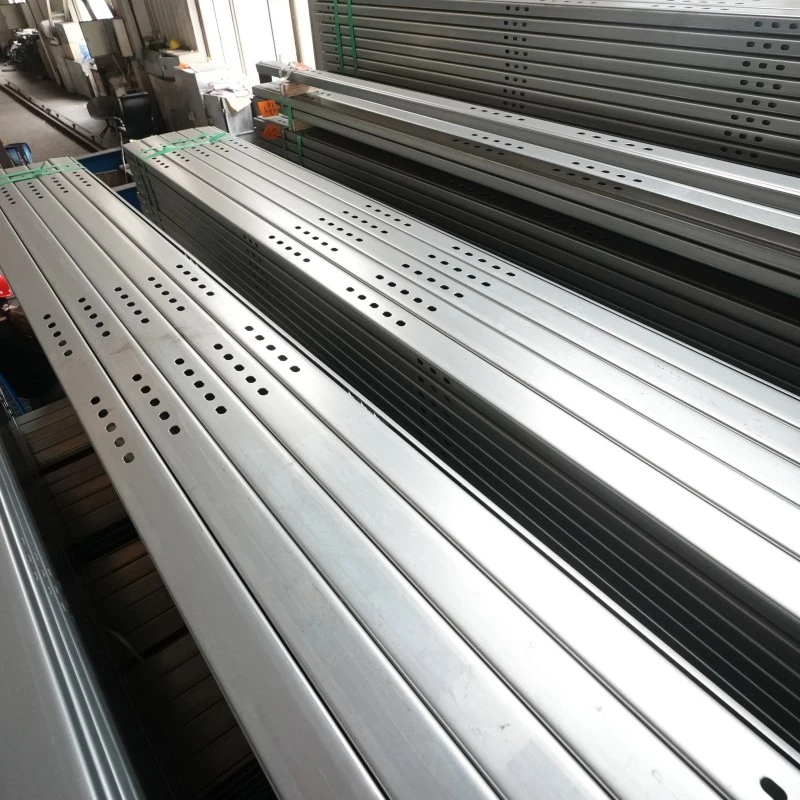
Production processes include automated roll forming, CNC punching and laser cutting. These processes are used to manufacture structural profiles and connection components with specified cross-sections, hole positions and dimensional requirements.
Baiyili operates manufacturing bases in Tianjin and Chengde, with an annual PV mounting system capacity of approximately 20 GW and structural steel processing capacity of approximately 500,000 tons. This production scale supports large-volume structural component procurement and project-based manufacturing schedules.
Dimensional consistency and component compatibility are important for the assembly of large-scale mounting structures. Structural profiles, punched holes, connection plates and fastener interfaces should be checked against the relevant approved specifications.
Baiyili manufactures PV mounting structures, structural steel and aluminum profiles, ground screws, clamps, splice plates, baseplates and related mechanical components. PV modules, inverters and electrical equipment are outside its primary manufacturing scope.
Galvanized steel provides a zinc protective coating, Zn-Al-Mg steel uses a zinc-aluminum-magnesium coating system, and aluminum offers lower component weight with good corrosion resistance. The appropriate option depends on structural requirements and site exposure.
Yes. Baiyili's product range includes ground-mounted PV structural components for utility-scale projects. Project quantities, structural specifications and production schedules can be evaluated against the EPC contractor's drawings and BOM.
Yes. Ground screws and related mounting components are within Baiyili's product scope. Their dimensions, load requirements and suitability must be coordinated with the project foundation design and soil investigation results.
Customization can be evaluated based on technical drawings and project specifications, including profile dimensions, hole positions, connection components, material options and surface treatments. Manufacturing feasibility is confirmed during technical review.
Provide the project location, PV module specifications, mounting layout, estimated quantities, design loads, preferred materials, foundation requirements and available engineering drawings or BOM. Requested delivery schedules and packaging requirements should also be included.
Planning a utility-scale solar farm, commercial rooftop installation or agricultural PV project? Baiyili New Energy can review your Solar Power Station mounting structure requirements and discuss suitable manufacturing and supply arrangements.
Send your engineering drawings, preliminary Bill of Materials (BOM), module specifications and project quantities for a technical review.
Our team can evaluate material options, profile dimensions, component compatibility, customization requirements and production scheduling based on your project specifications.
Discuss Your Solar Project →