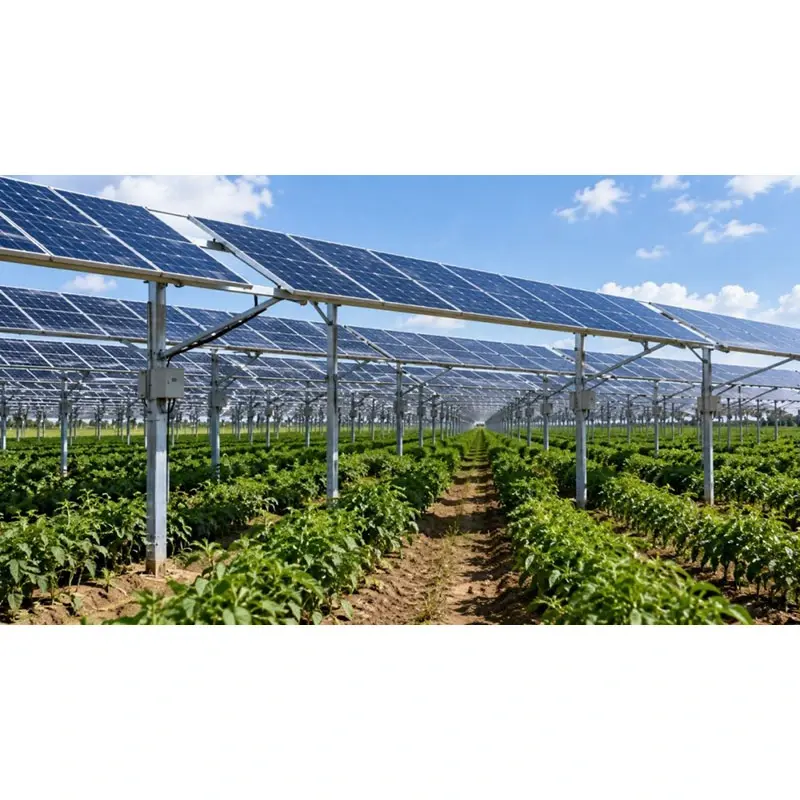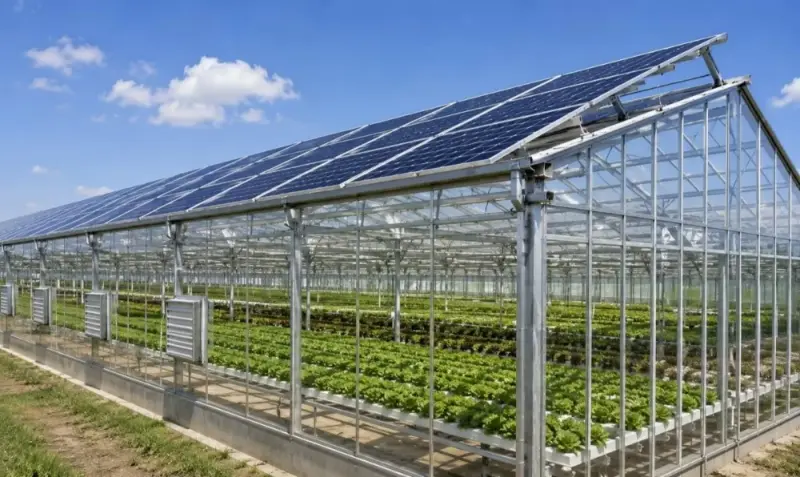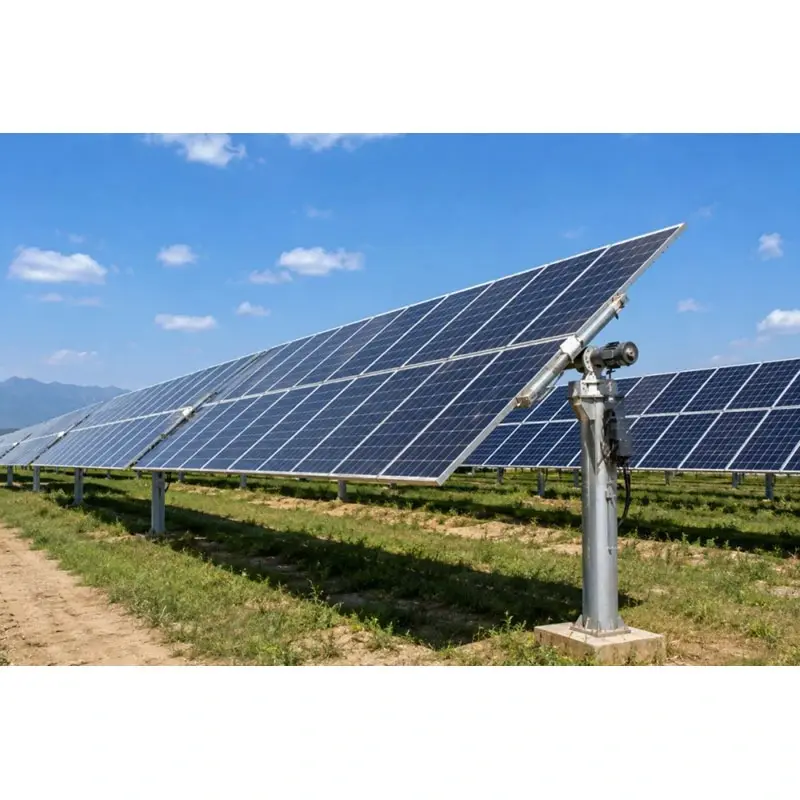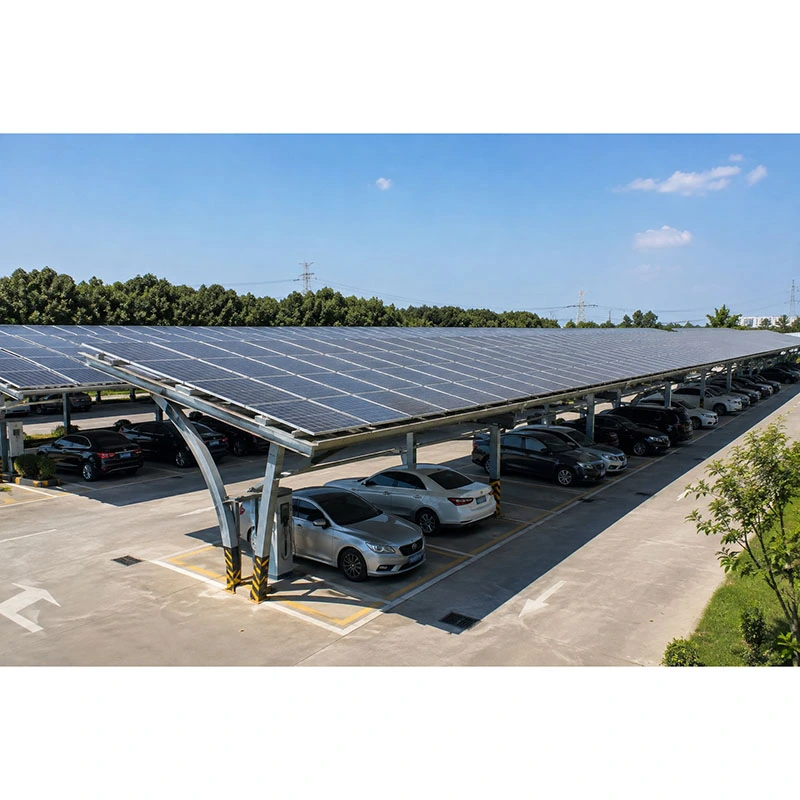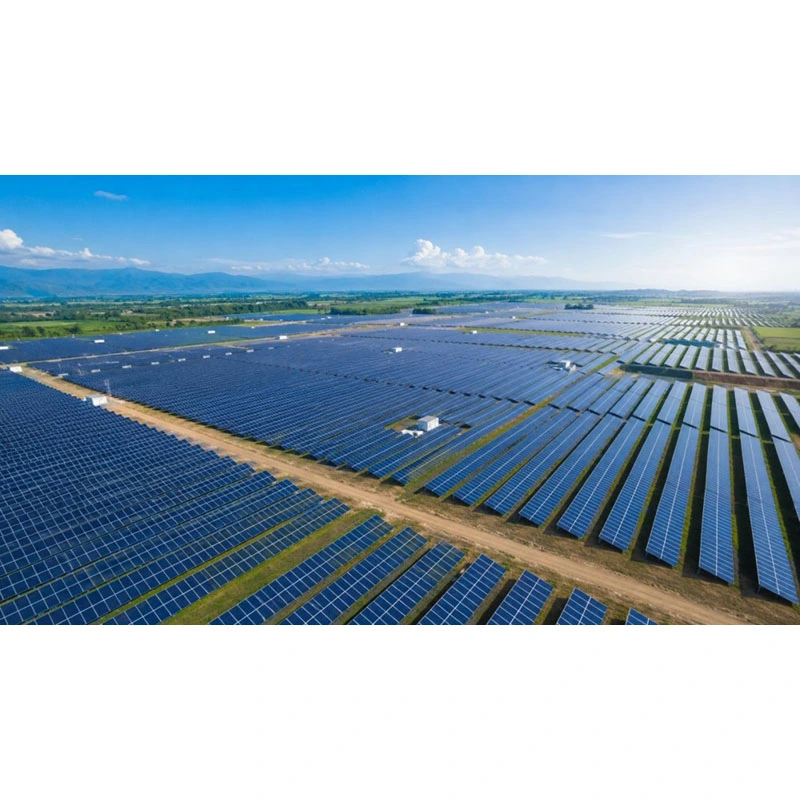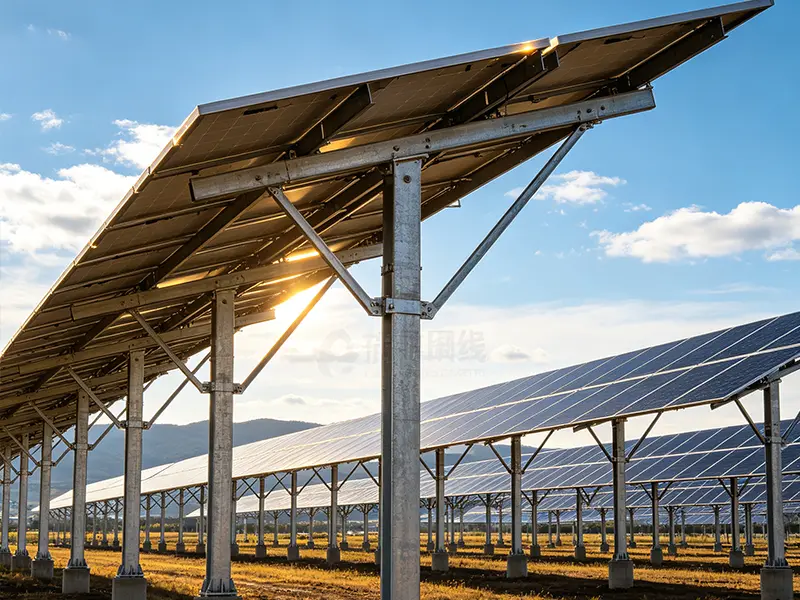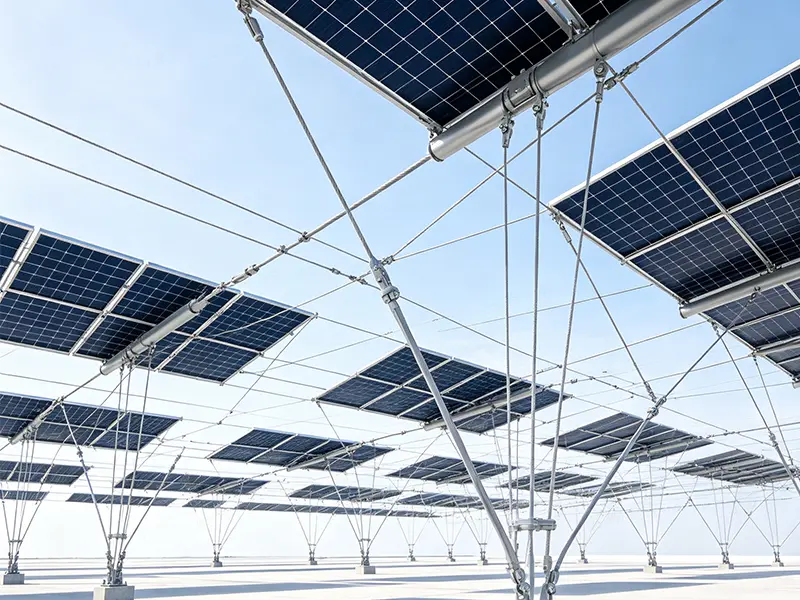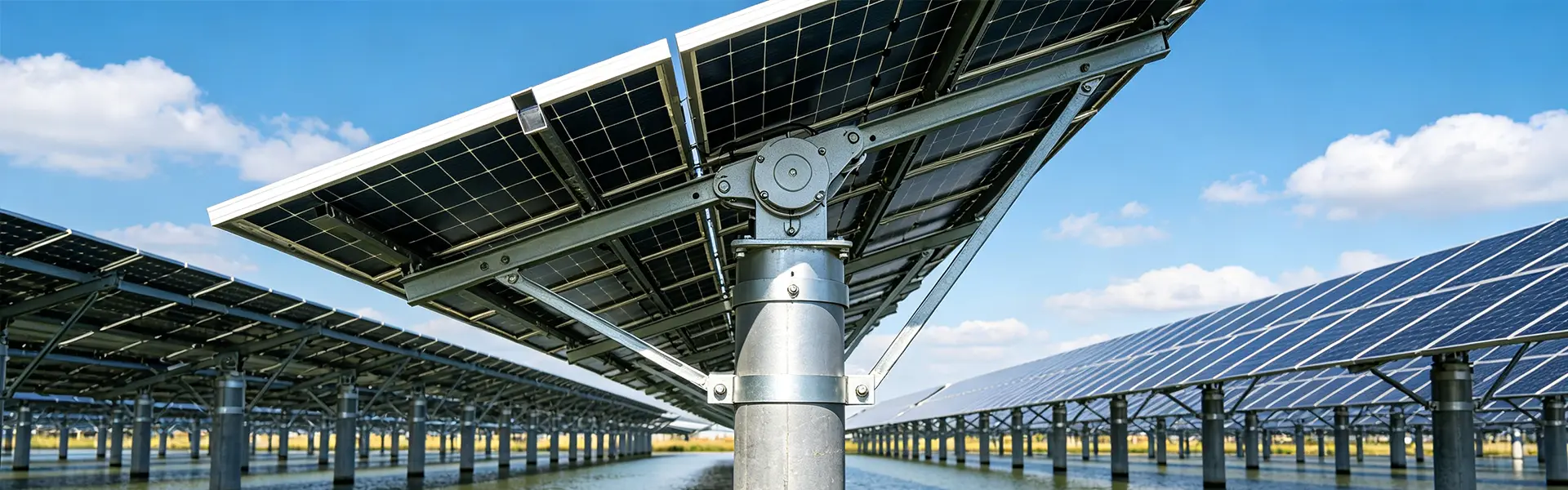
Baiyili New Energy is a China-based manufacturer and supplier of ground-based photovoltaic mounting systems. Designed to support solar modules on open land and project sites, these structures provide the mechanical framework for arranging and securing PV panels at the required tilt and orientation.
The mounting structure is selected according to site conditions, module layout, foundation requirements and local environmental loads. Baiyili supplies photovoltaic mounting structures and related steel components for ground-mounted solar projects, with material and structural configurations considered according to project requirements.
Ground-based Photovoltaic Mounting Systems can use different support arrangements depending on terrain, foundation conditions, panel orientation and installation requirements. The structural configuration should be determined before component dimensions and connection details are finalized.
Fixed-tilt structures hold solar modules at a set installation angle. Their relatively straightforward structural arrangement makes them suitable for projects with defined module layouts and stable site conditions.
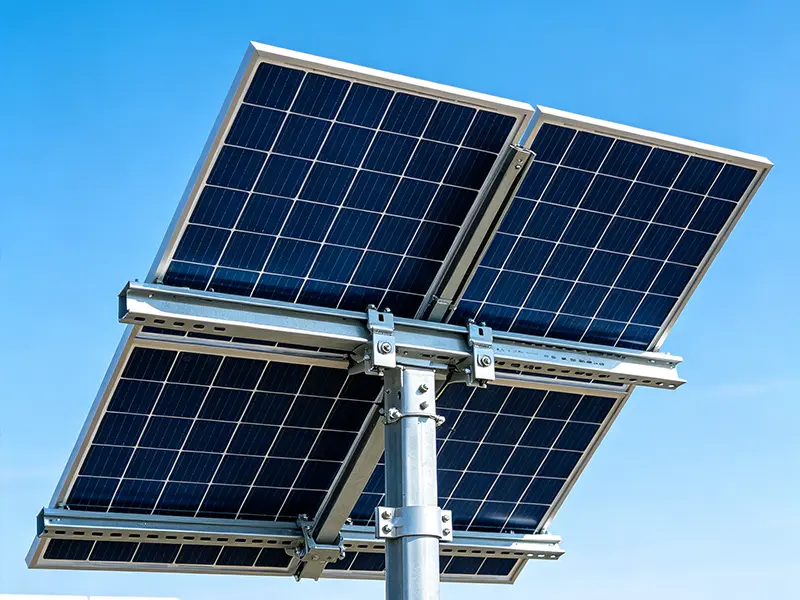
Adjustable configurations allow the module angle to be changed within the designed adjustment range. The support connections and adjustment method need to match the required operating and maintenance conditions.
Projects on uneven or sloping terrain require attention to post positions, support heights, foundation levels and structural alignment. Site measurements help determine a suitable mounting arrangement.
A ground-mounted photovoltaic structure consists of interconnected support members and fastening components. Each part has a defined role in supporting the modules and transferring structural loads to the foundations.
The foundation transfers loads from the PV support structure to the ground. Its selection depends on soil conditions, groundwater, terrain, project layout, installation access and structural design requirements.
Steel piles are installed into the ground to provide support for the mounting posts. Their suitability depends on soil properties, embedment requirements and site installation conditions.
Ground screws provide a mechanical foundation connection for compatible mounting structures. Soil composition, screw dimensions and required pull-out and bearing capacity need to be evaluated.
Concrete foundations can be considered where ground conditions or project engineering requirements call for a concrete base. Anchor bolts and post connections must match the structural design.
Foundation types are not interchangeable in every project. A site-specific assessment is needed before confirming the foundation arrangement and connection details.
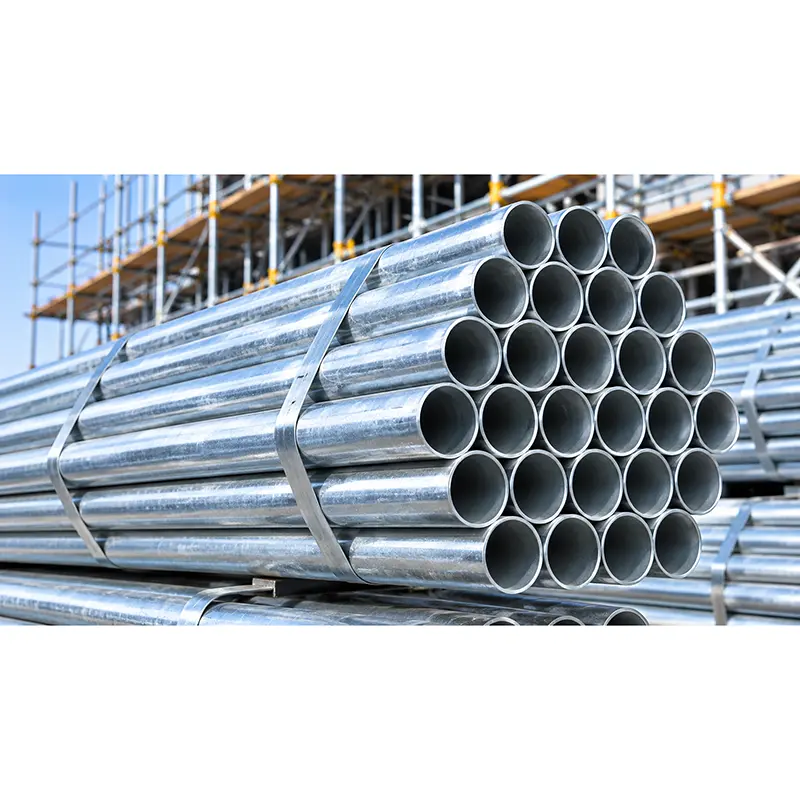
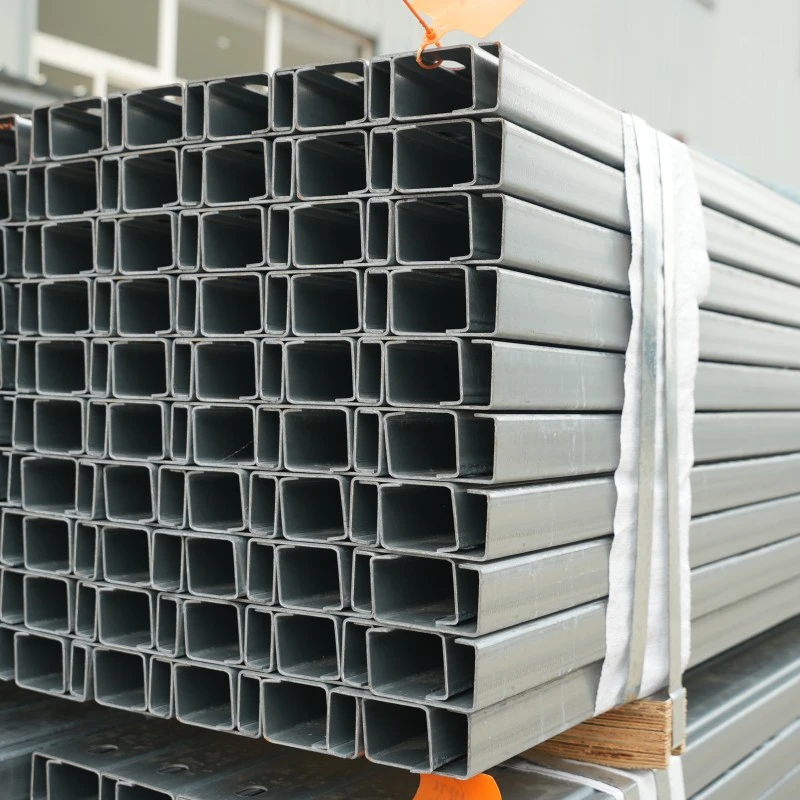
Material selection affects structural strength, component weight, corrosion resistance and long-term maintenance requirements. The appropriate material and surface finish depend on the project environment and design specifications.
| Material / Finish | Typical Considerations |
|---|---|
| Hot-Dip Galvanized Steel | Used for steel structural members where a zinc coating is required for corrosion protection. |
| Zn-Al-Mg Coated Steel | A coated steel option for mounting components, selected according to the required coating specification and service environment. |
| Aluminum Alloy | Can be used for compatible mounting rails and accessories where weight and structural requirements are considered. |
| Stainless Steel | Commonly considered for selected fasteners and connection components according to corrosion and compatibility requirements. |
A suitable ground mounting arrangement should be evaluated against the actual project conditions rather than selected by appearance or module quantity alone.
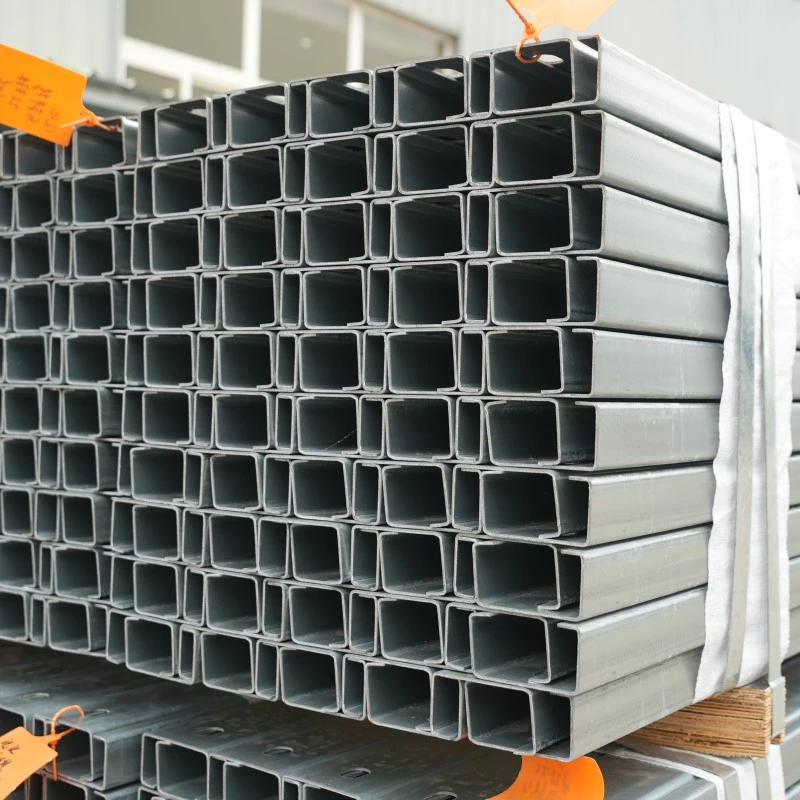
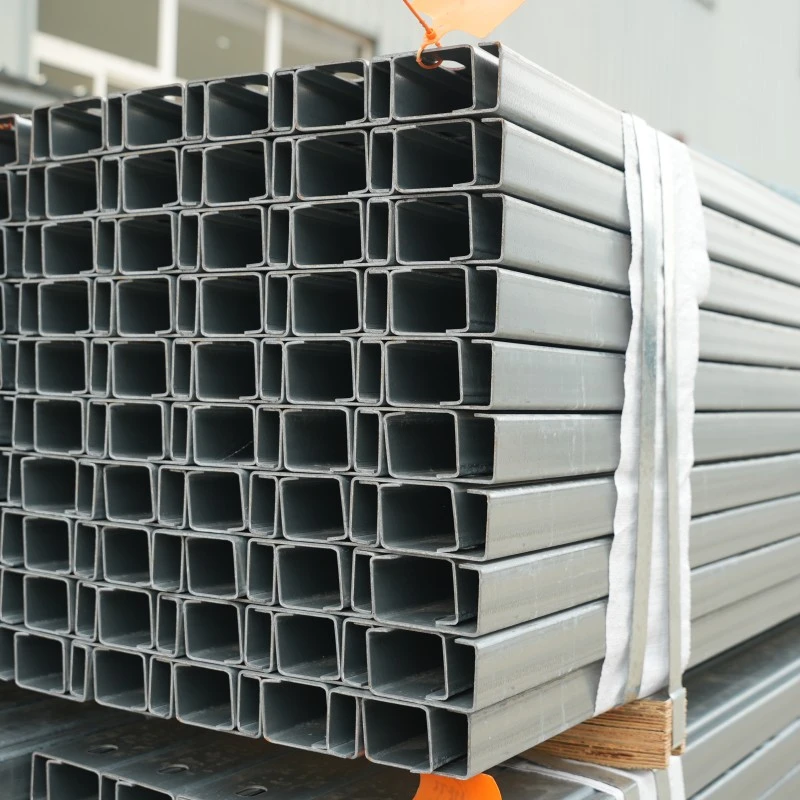
Different ground-mounted solar projects may require different steel sections, member dimensions, connection details and surface finishes. Baiyili provides Ground-based Photovoltaic Mounting Systems and related steel components, with product configurations considered according to project drawings and technical requirements.
When making an inquiry, buyers can provide the project location, site layout, module dimensions, mounting angle, foundation preference, material requirements and relevant structural drawings. These details help clarify the required support arrangement and component specifications.
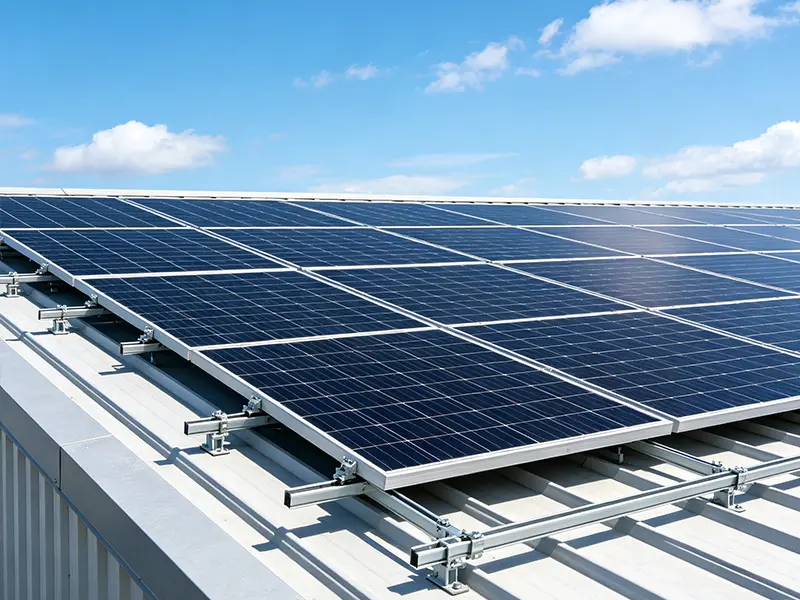
Ground-mounted systems are installed on foundations in open land, while rooftop systems are fixed to or supported by existing building roofs. Their foundation methods, load conditions and installation constraints are different.
The choice depends on the project's design objectives, required tilt range, adjustment method, maintenance arrangements and structural requirements. Fixed-tilt structures use a set angle, while adjustable structures allow angle changes within their designed range.
Driven piles, ground screws and concrete foundations are possible options. The selection depends on soil conditions, structural loads, installation access and project engineering requirements.
Useful information includes project location, site layout, module dimensions, required tilt angle, foundation preference, material specifications and structural drawings, if available.
Ground-mounted structures can be designed for suitable sloping sites. The design needs to account for elevation differences, post heights, foundation positions and structural alignment.
Hot-dip galvanized steel and Zn-Al-Mg coated steel are common options for steel mounting components. Aluminum alloy and stainless steel may also be used for selected parts according to the design.
Looking for a ground-based photovoltaic mounting structure for your project? Send Baiyili your site conditions, module layout and technical requirements to discuss suitable mounting components and structural configurations.
Contact Baiyili