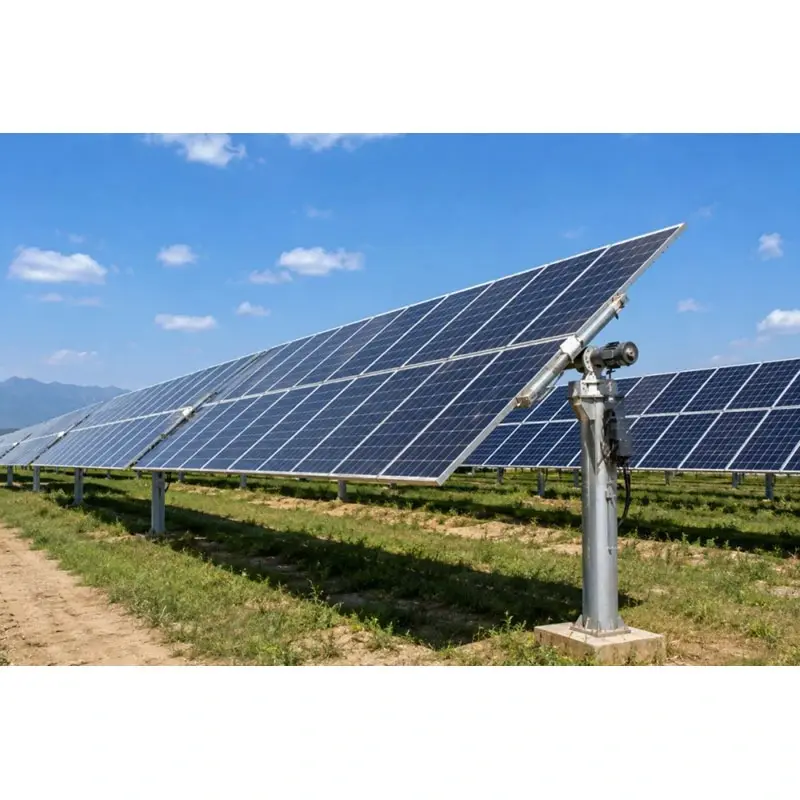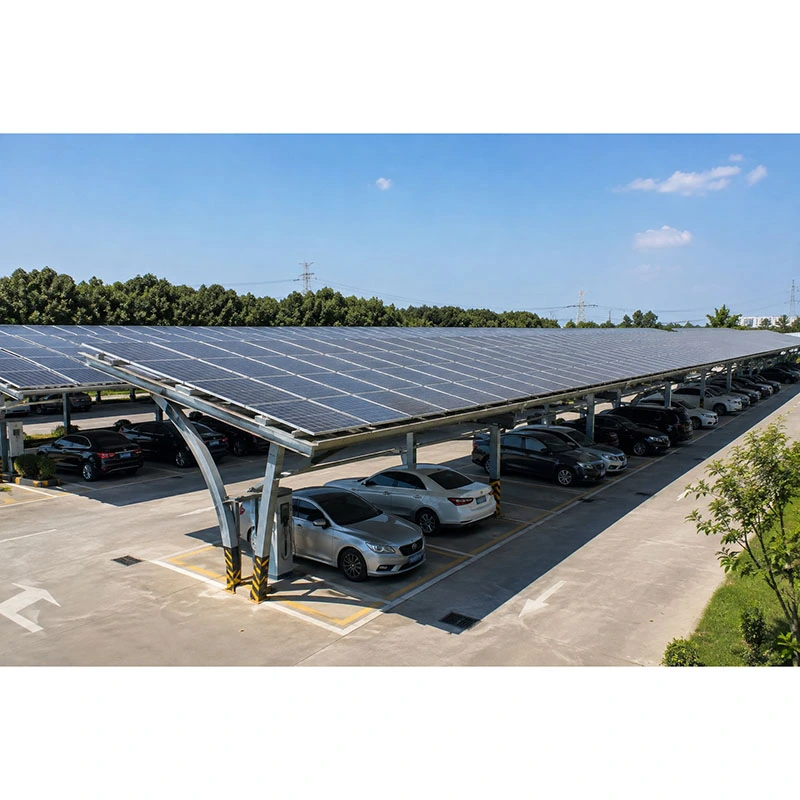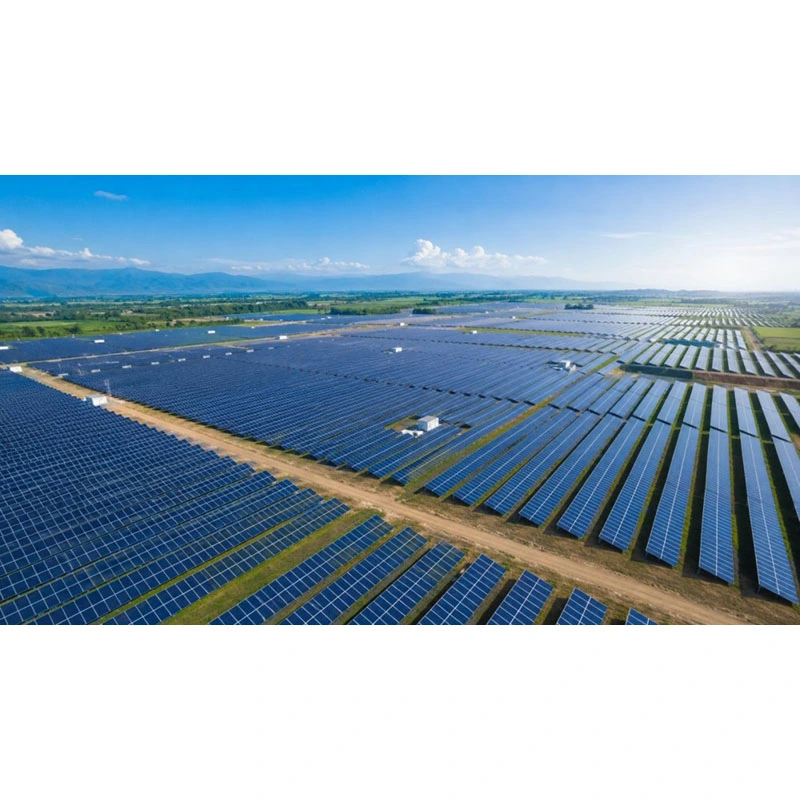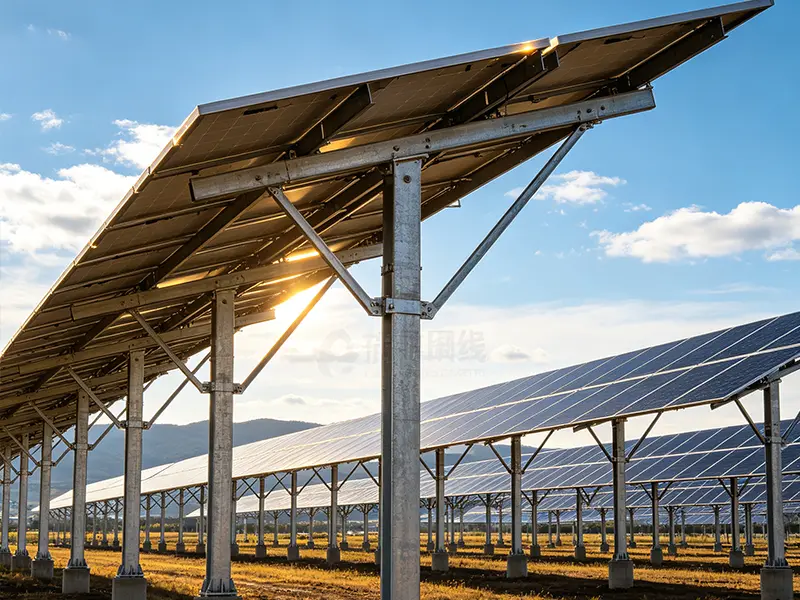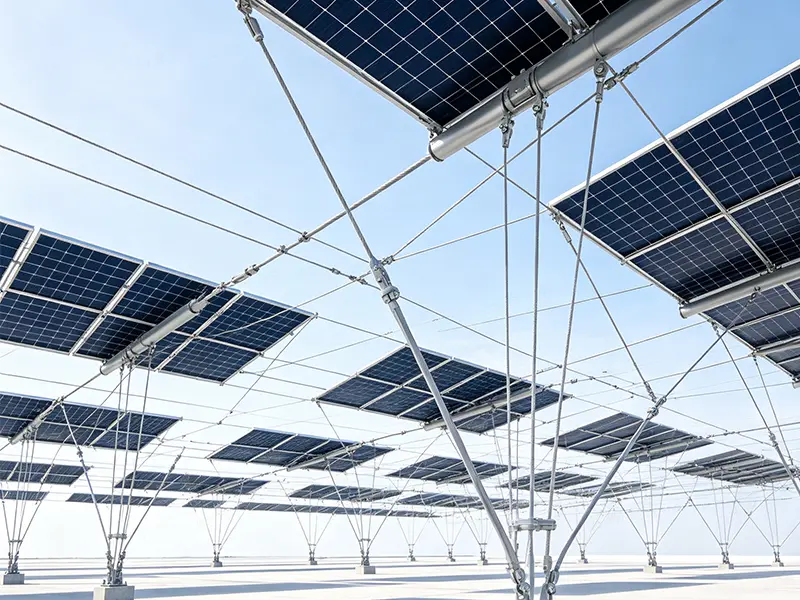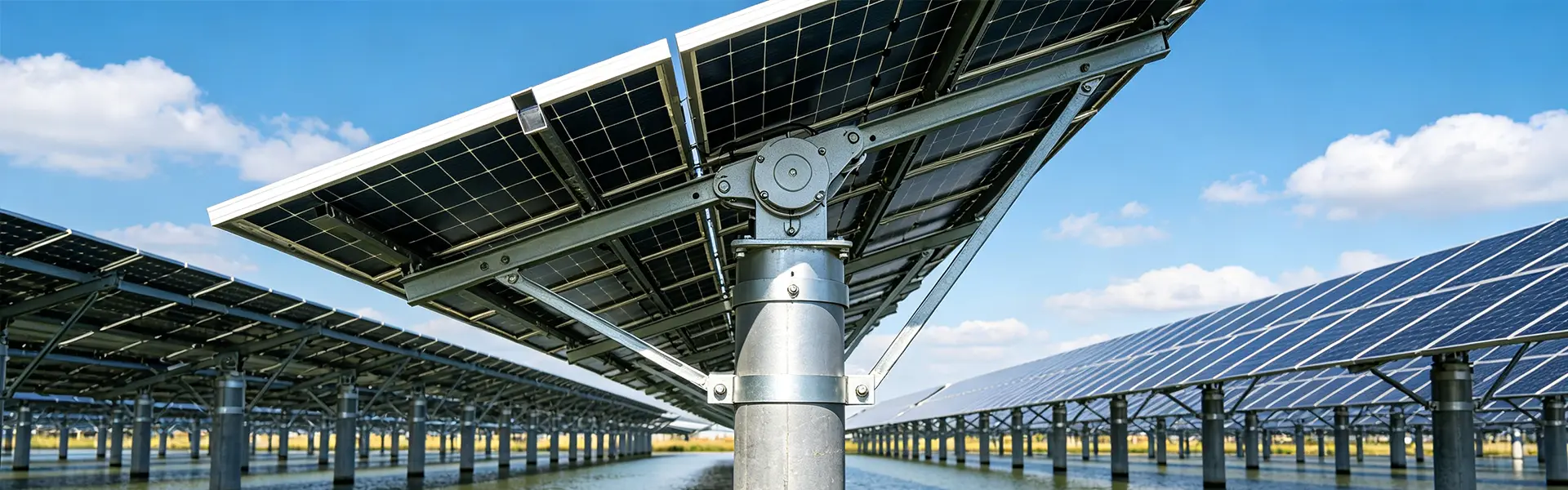
An agrivoltaic project must accommodate more than solar panels. The support structure also needs to leave appropriate space for cultivation, irrigation, machinery movement and routine farm work.
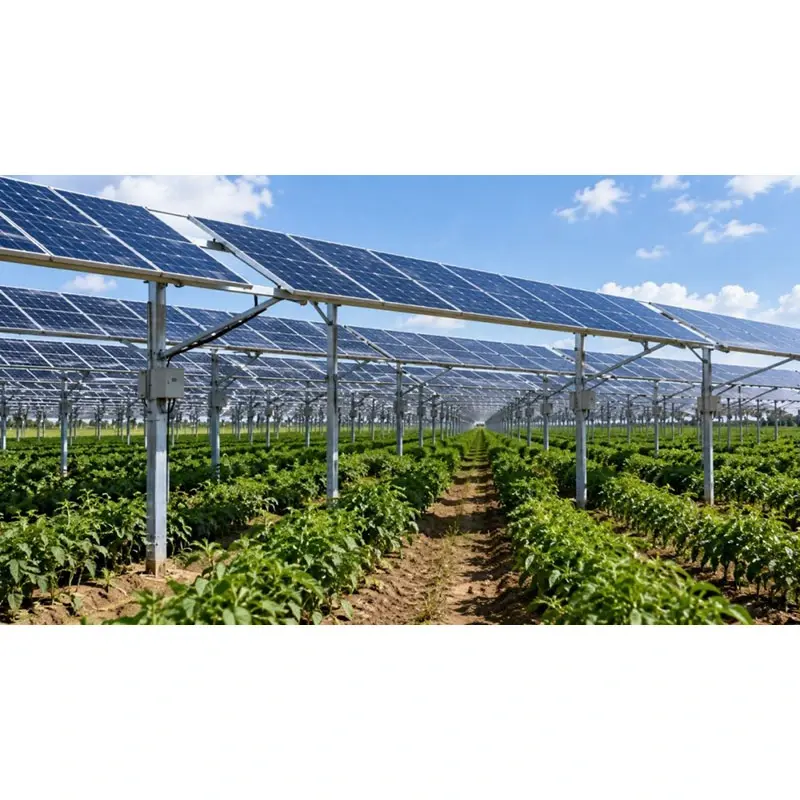
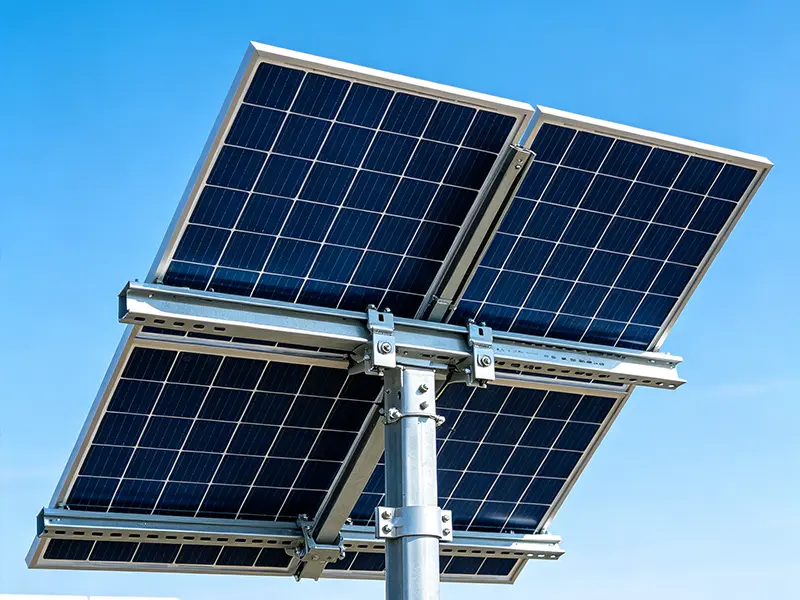
Baiyili's Agrivoltaic Mounting System uses elevated columns and large-span beams to create working space beneath the photovoltaic array. The ground clearance can be customized from 2.5 m to 5.0 m, while the beam span can be designed around machinery dimensions and the intended field layout.
Column height, beam arrangement and panel spacing should be determined together. This helps coordinate the photovoltaic layout with crop access, equipment movement and the project's structural requirements.
| Specification | Details |
|---|---|
| Product Name | Agrivoltaic Mounting System |
| Brand | Baiyili |
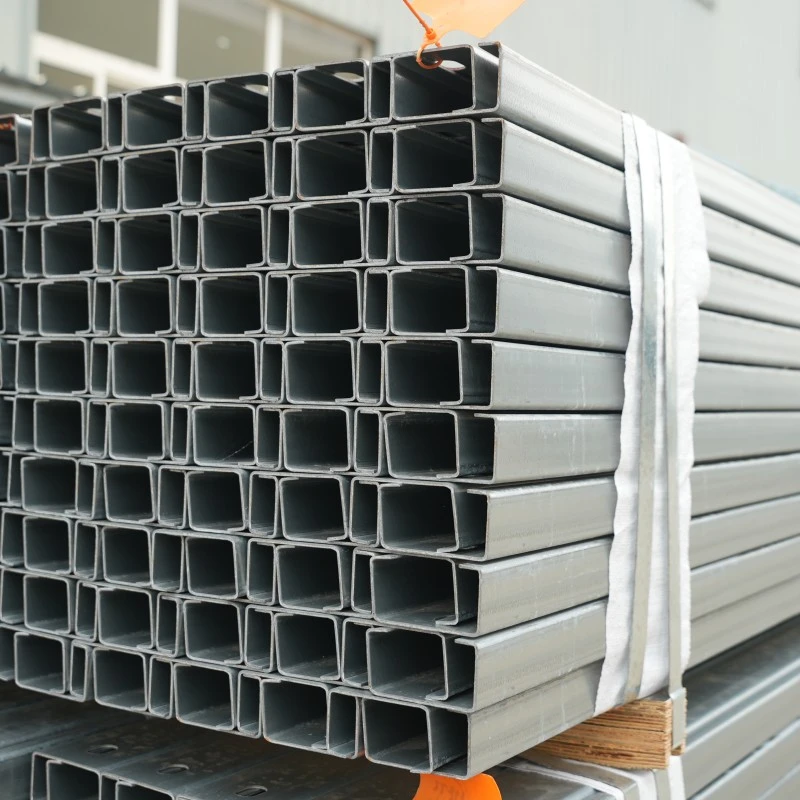
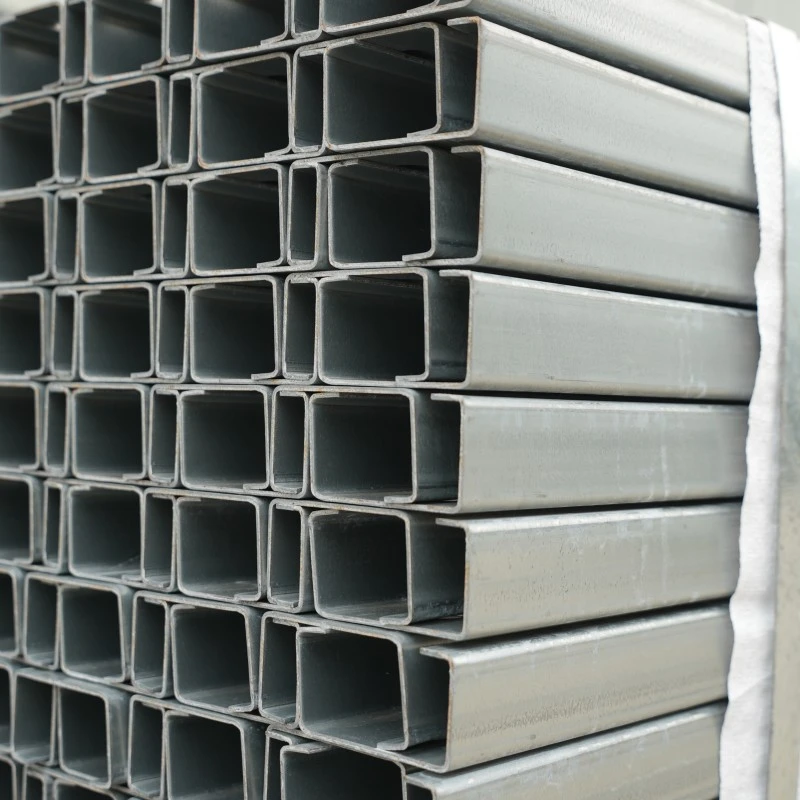
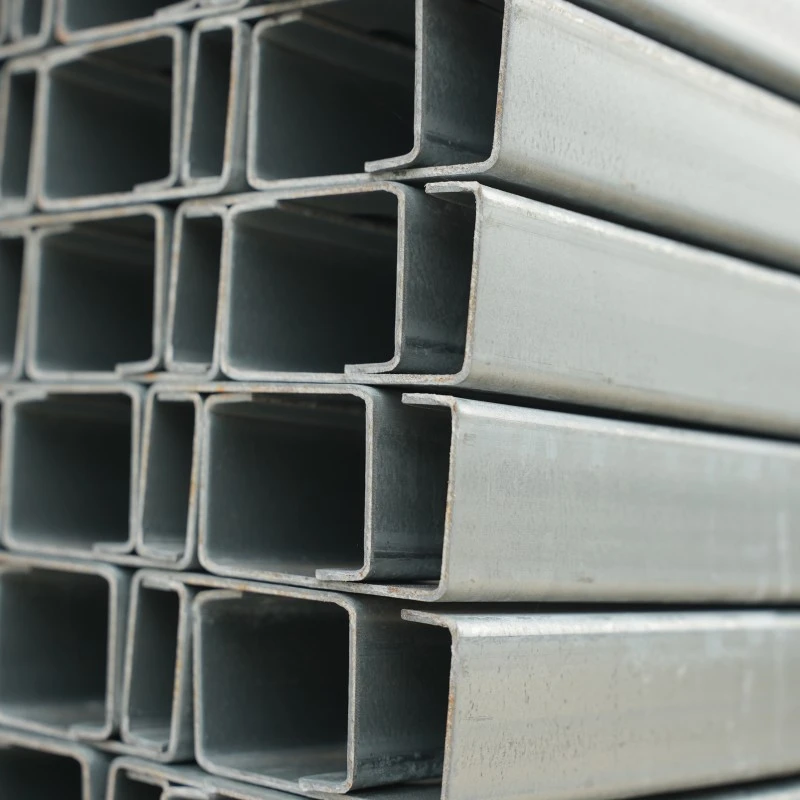
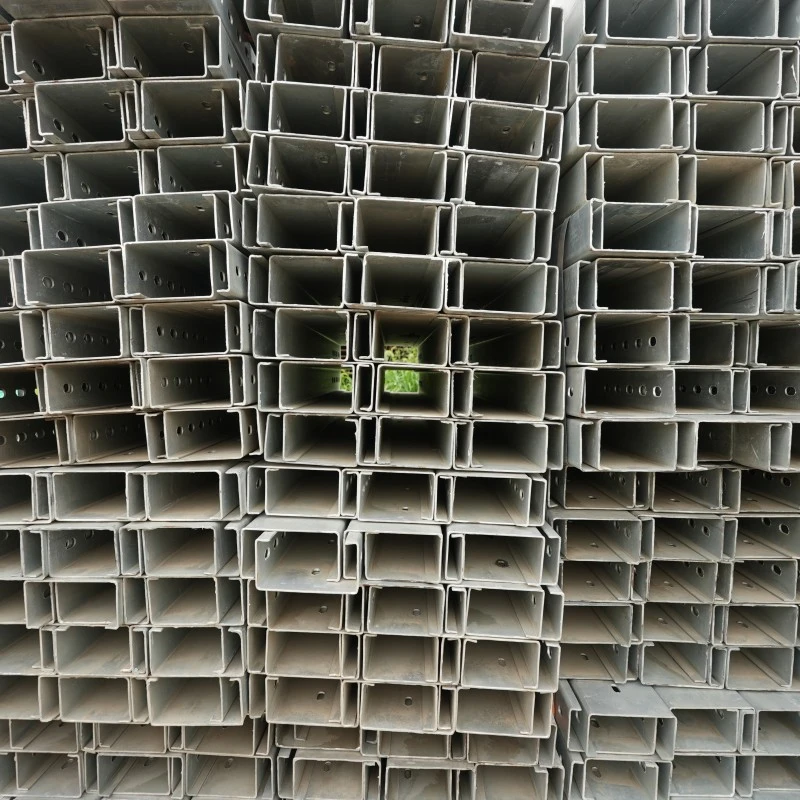
| Main Material | Q235B Zn-Al-Mg-coated steel / hot-dip galvanized steel |
| Surface Treatment | Zn-Al-Mg alloy coating / hot-dip galvanizing |
| Ground Clearance | 2.5–5.0 m, customizable |
| Beam Span | Customized according to machinery clearance and project layout |
| Foundation Options | Ground screw pile / concrete foundation |
| Structural Design | Project-specific wind, snow and other applicable load requirements |
| Customization | Height, span, row spacing and structural configuration |
| Intended Applications | Farmland, orchards, pasture and selected livestock-farm projects |
Final specifications, foundation arrangements and structural dimensions depend on the selected design and site conditions.
Baiyili customizes ground clearance and beam span according to agricultural machinery dimensions and field operations. Tractor height, equipment width and maintenance access help determine the required structure.
Panel spacing and tilt angle can be planned according to crop light requirements and local sunlight conditions. The effect on crop growth and yield depends on the crop type, climate and shading pattern.
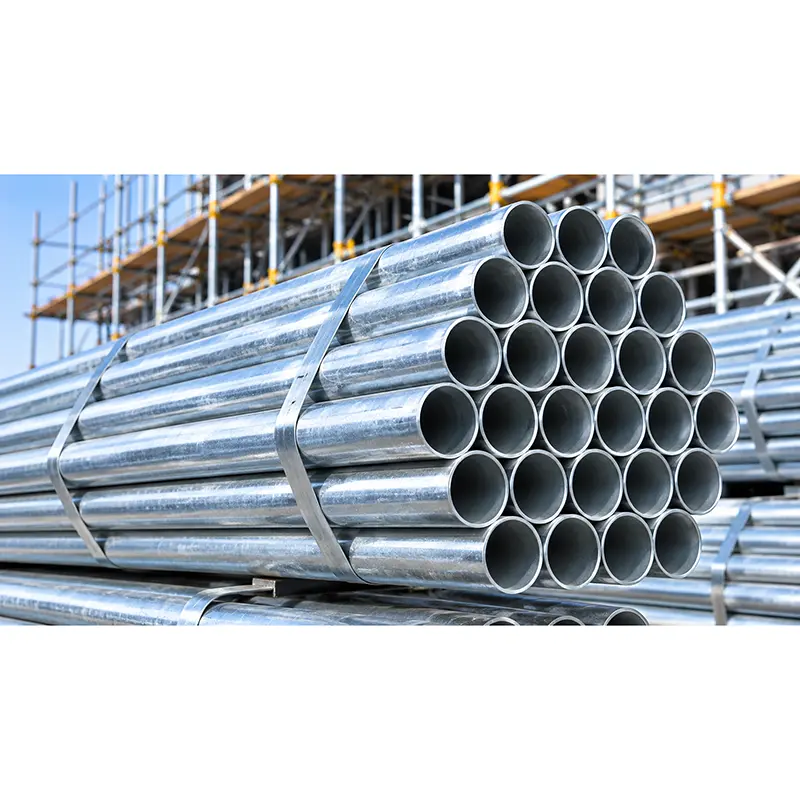
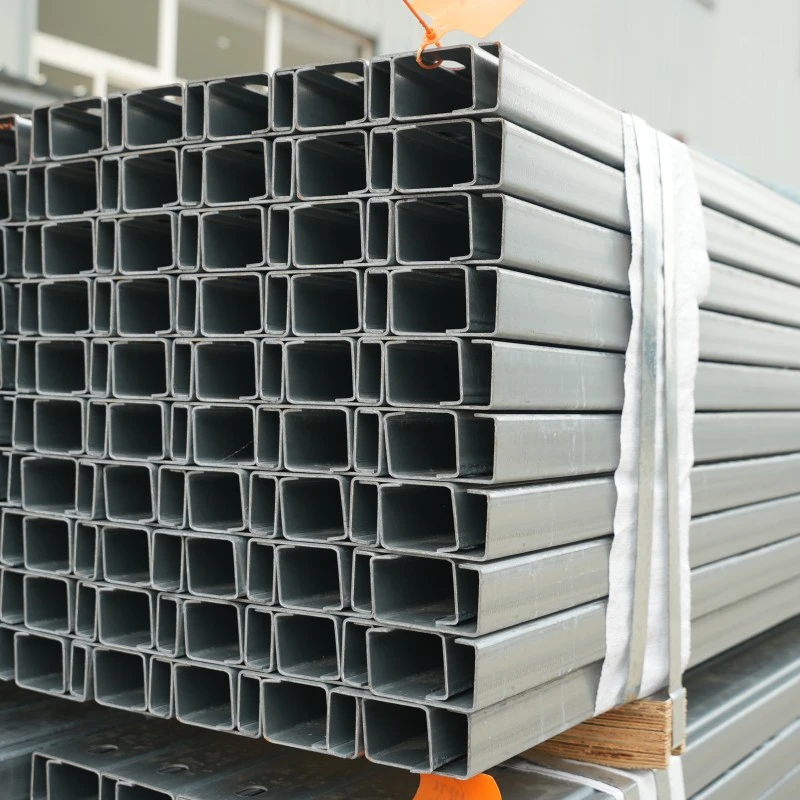
Available materials include Q235B Zn-Al-Mg-coated steel and hot-dip galvanized steel. Material selection and structural design should account for site conditions, wind loads and snow loads.
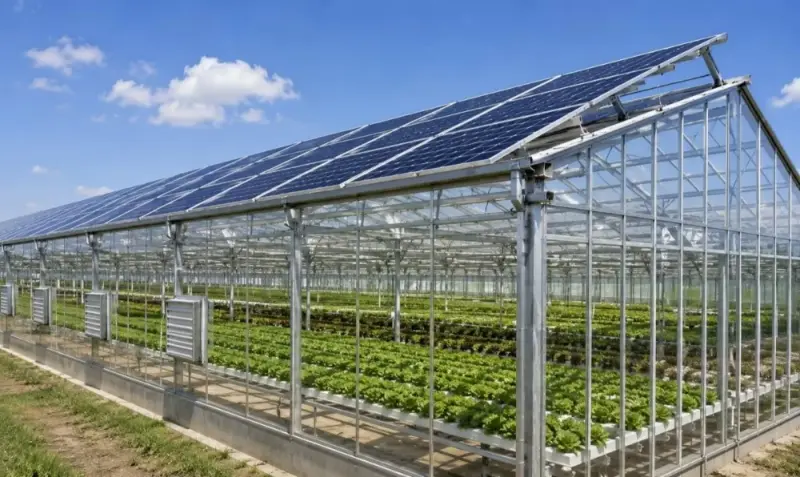
For farmland projects combining crop cultivation and electricity generation, an elevated array can preserve designated working areas beneath the panels. The layout needs to account for crop light requirements, machinery access and seasonal farm operations.
Agrivoltaic structures may be considered for selected orchard and nursery projects where panel height, row spacing and shading can be coordinated with tree growth and maintenance access. Suitability depends on the crop variety and cultivation practices.
For selected pasture or livestock-farm projects, elevated solar panels can provide overhead shade while supporting photovoltaic generation. The structure, clearance and foundations need to be designed for the intended land use, animal movement and local weather conditions. Rain protection and cooling performance should not be assumed unless the actual design supports those functions.
Where regular machinery movement is required, the mounting layout can be developed around equipment width, height and turning requirements. This is particularly relevant when the agricultural operation needs to continue beneath or between support rows.
Baiyili offers customization options for the dimensions and arrangement of Agrivoltaic Mounting System. The following project information helps establish the required configuration:
These details provide a basis for coordinating agricultural access, panel placement and structural design. Project-specific structural calculations should be completed for the selected configuration.
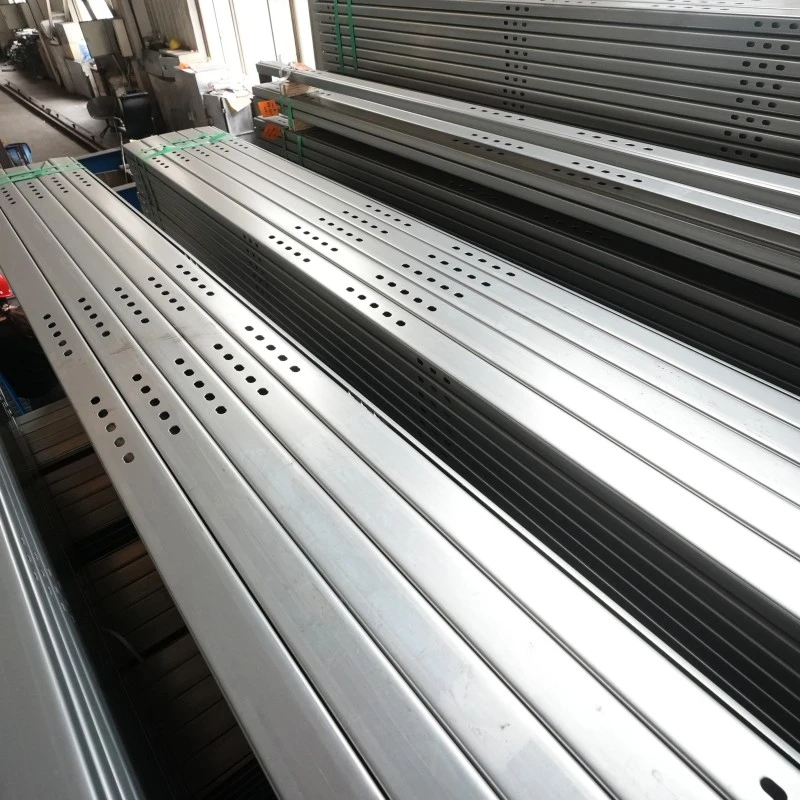
Quality checks cover incoming materials, fabrication, and surface treatment, including steel thickness, welds and coating condition.
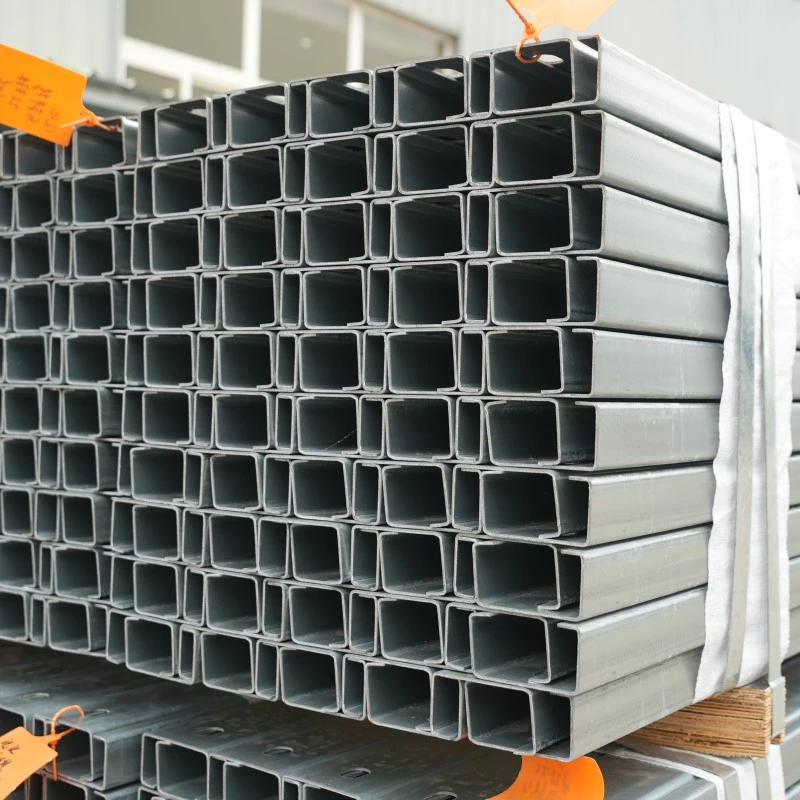
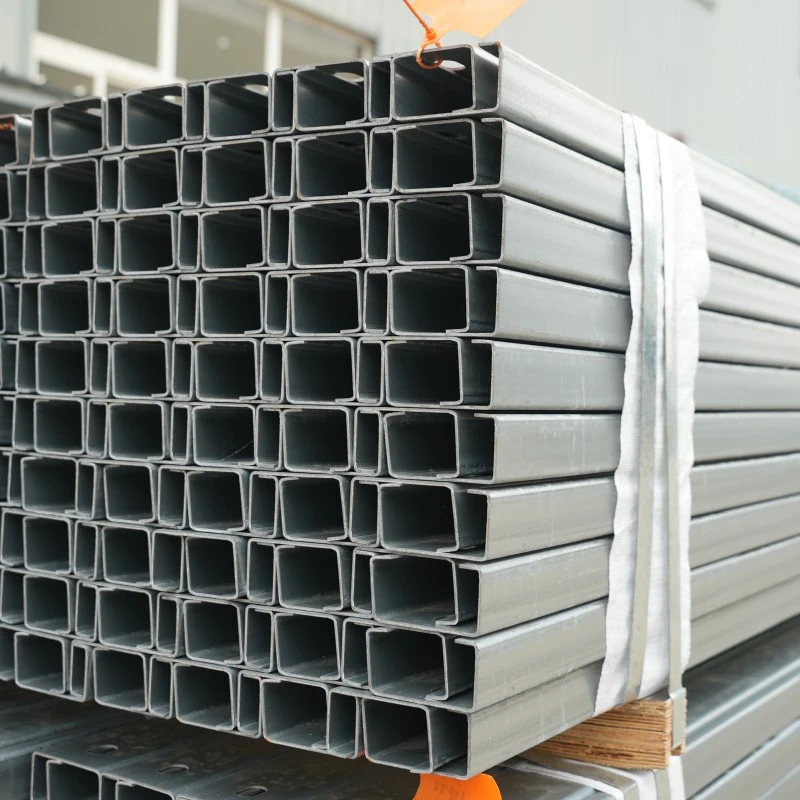
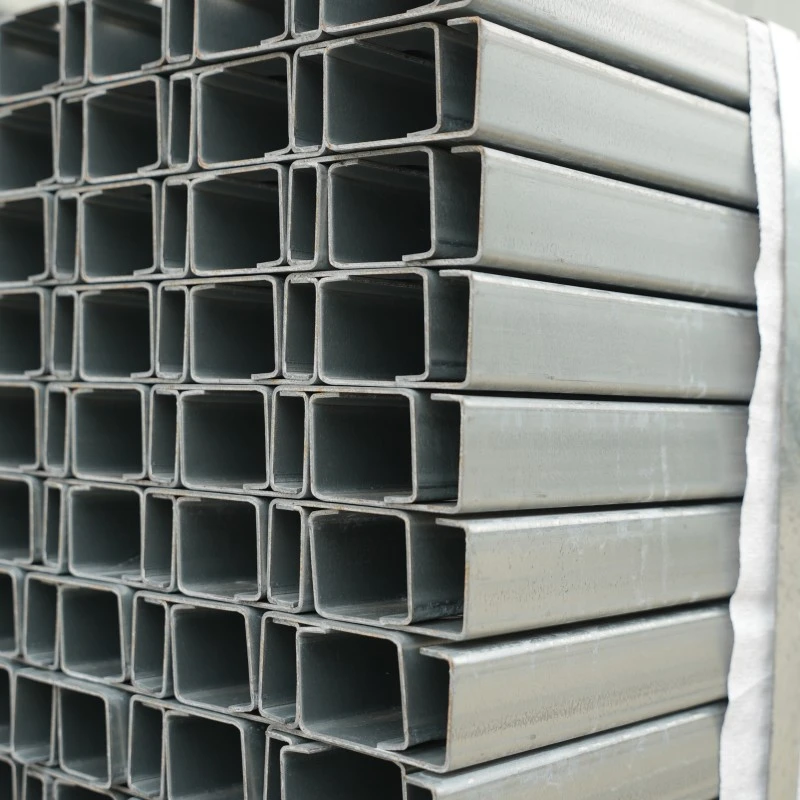
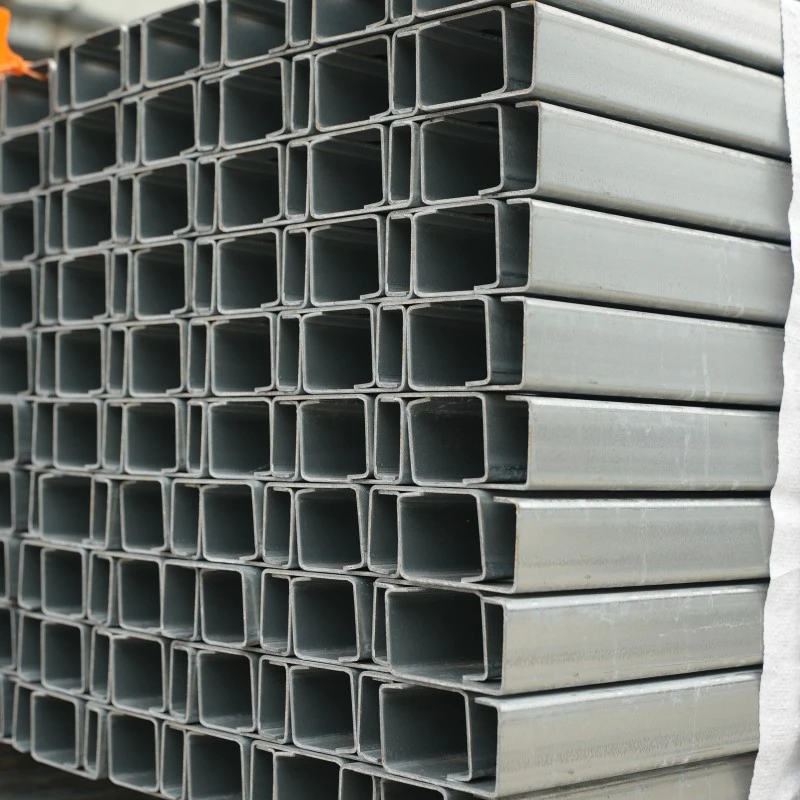
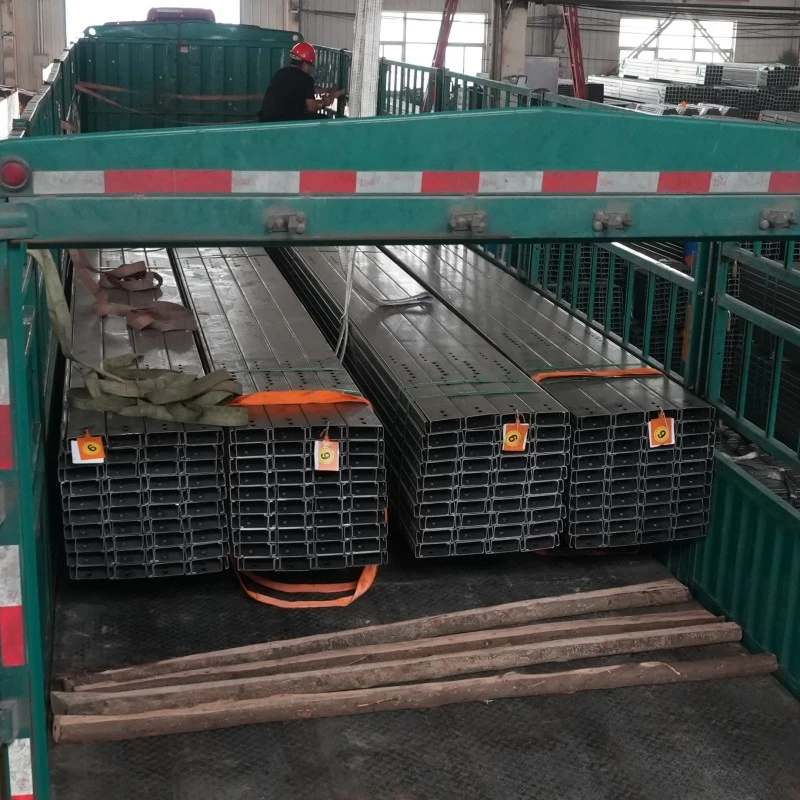
Steel components are bundled and protected with wrapping and corner protection. Domestic truck delivery and international FCL/LCL shipping are available according to order requirements.
Material certificates, structural calculation reports and warranty documents can be provided according to the agreed supply scope.
The listed customizable ground clearance is 2.5–5.0 m. The required height should be determined according to machinery dimensions, agricultural activities and the selected structural configuration.
The structure can be configured around specified machinery height and access requirements. Equipment dimensions, turning space, support-column positions and beam clearance should be considered during design.
Solar panels change the amount and distribution of sunlight reaching the ground. The effects depend on crop light requirements, panel arrangement, local climate and cultivation practices. The layout should be assessed for the intended crop rather than assuming that shading will always improve yield.
The listed options are Q235B Zn-Al-Mg-coated steel and hot-dip galvanized steel. The material and protective finish should be selected according to structural requirements and environmental exposure.
Structural design should account for the installation location and applicable load requirements. Project information is needed to determine the suitable support configuration and foundation arrangement.
Customization options include ground clearance, beam span, row spacing and structural configuration. The final design depends on the intended agricultural use, machinery dimensions, panel layout and site conditions.
Share the installation location, intended agricultural use, machinery dimensions and photovoltaic layout with Baiyili to discuss a mounting structure suited to the project. These details help establish the required clearance, span, material selection and structural design scope.
Address
Cai Gongzhuang Industrial Zone, Jinghai District, Tianjin, China
Tel