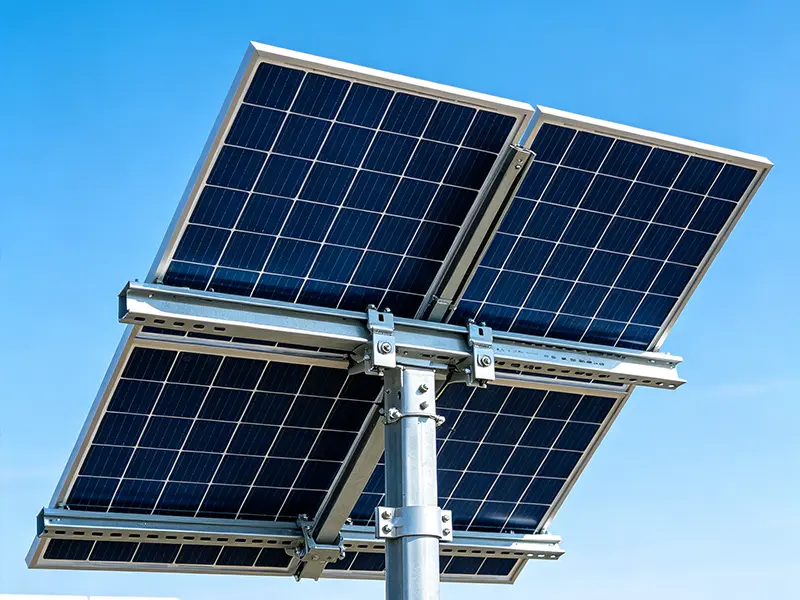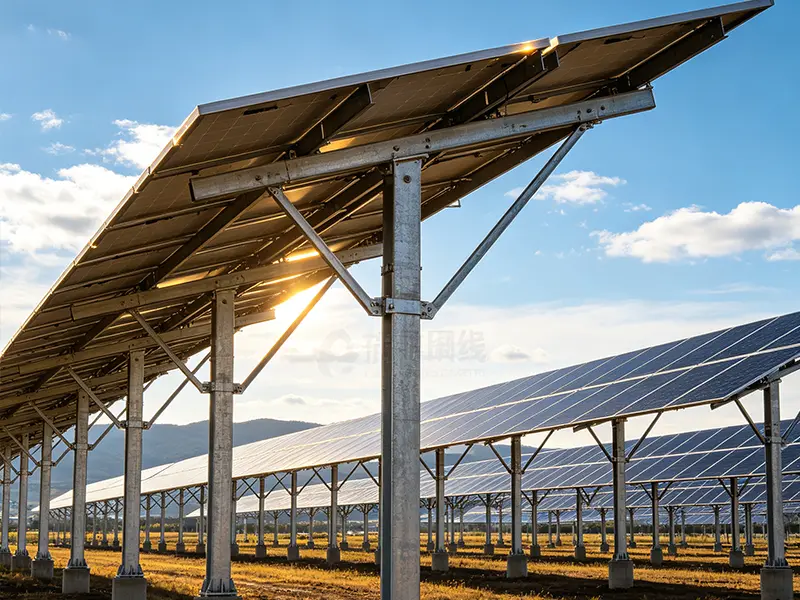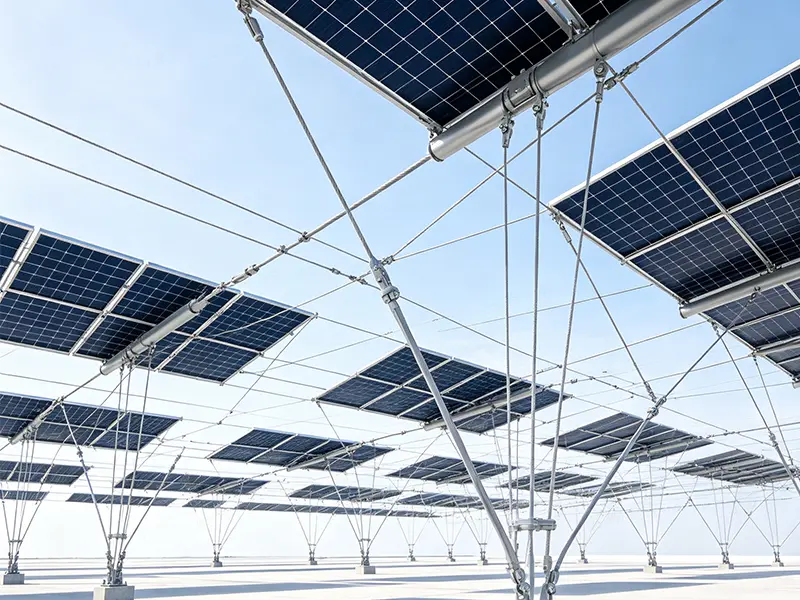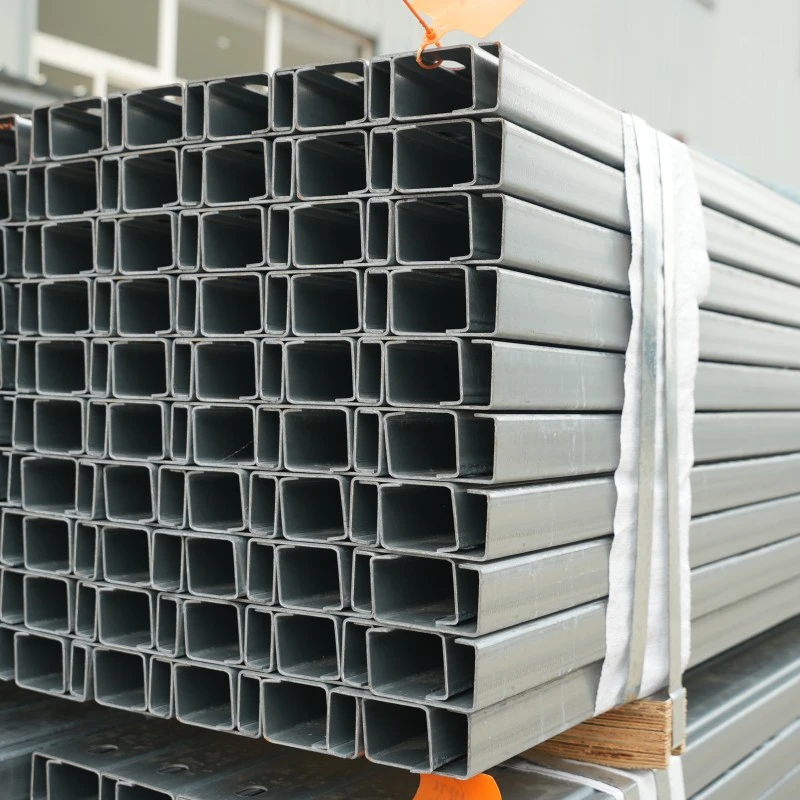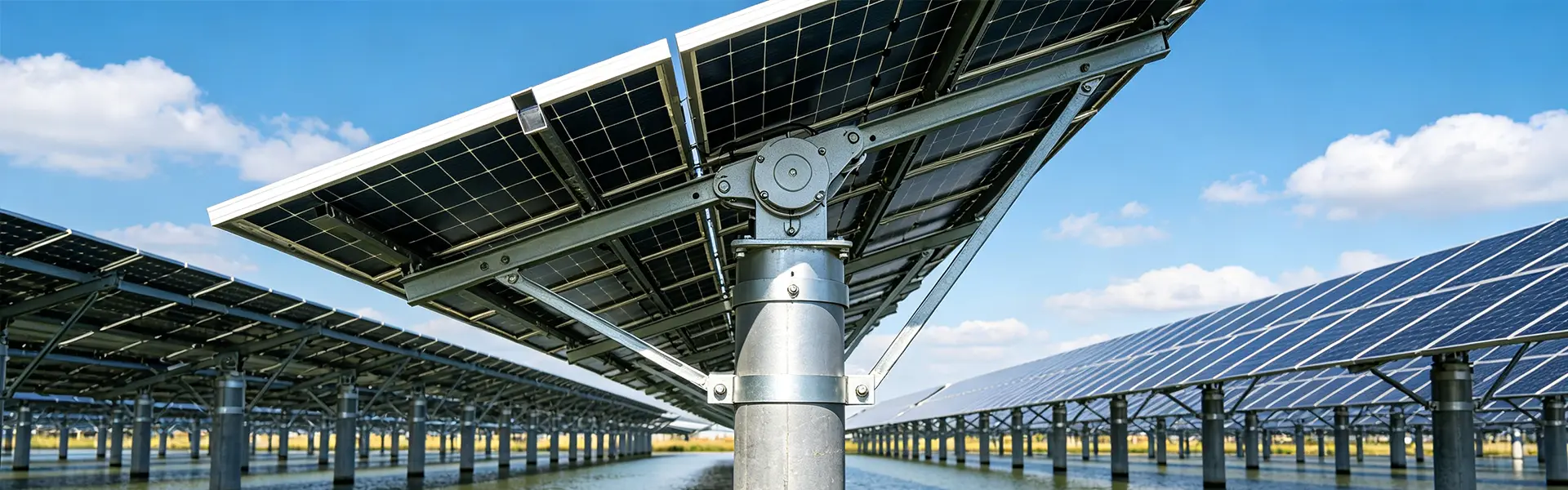
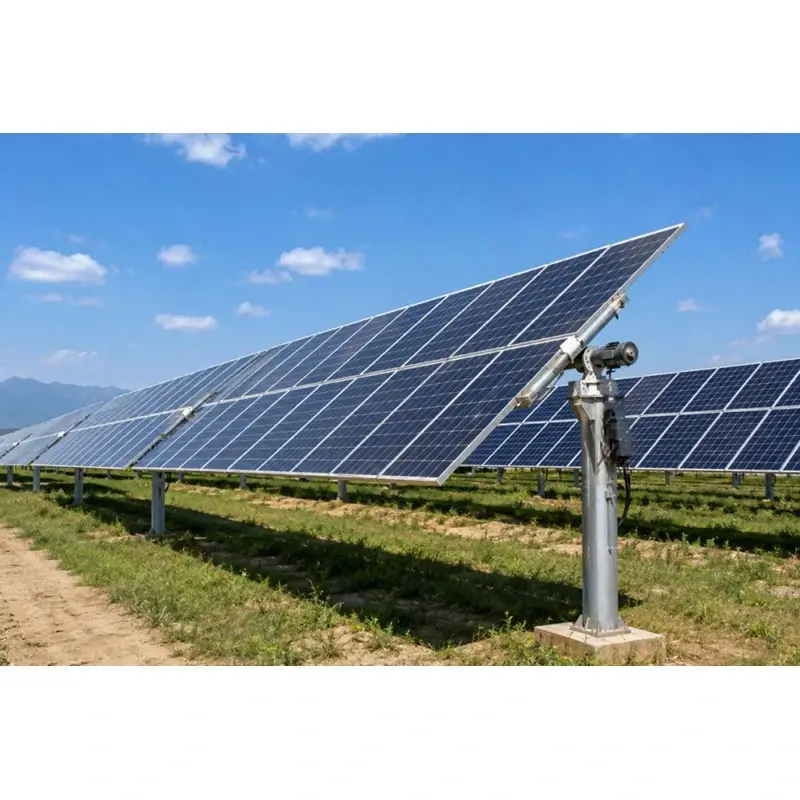
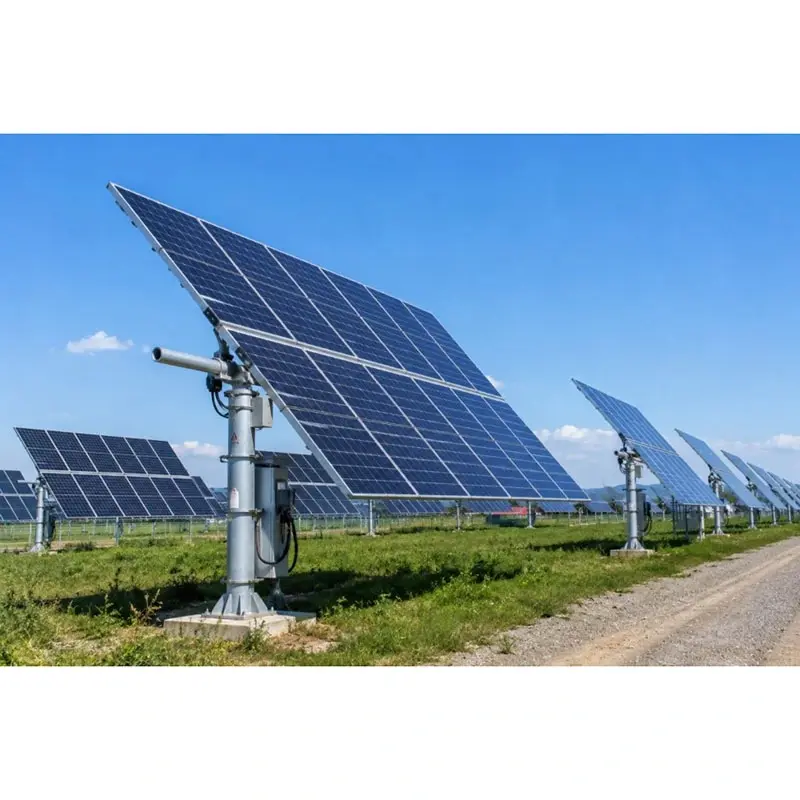
Axis selection depends on the project's tracking objectives, site layout and operating conditions. Baiyili, a solar tracker supplier in China, offers the Solar Tracker System in single-axis and dual-axis configurations, allowing the tracking arrangement to be matched to the intended installation.
A single-axis tracker moves PV modules around one axis, while a dual-axis tracker adjusts their orientation along two axes. The appropriate system depends on the site's solar resource, terrain, structural requirements and desired tracking performance.
| Specification | Details |
|---|---|
| Product Name | Solar Tracker System |
| Brand | Baiyili |
| Tracking Types | Single-axis / Dual-axis |
| Stated Tracking Accuracy | ±0.5° |
| Control Method | Astronomical algorithm + optical sensor |
| Drive Options | Multi-point synchronous drive / independent drive, according to configuration |
| Wind Protection | Wind monitoring, protective positioning and self-locking |
| Listed Operating Temperature | -40°C to +70°C |
| Monitoring Functions | Remote status monitoring, fault diagnosis and data statistics |
| Site Conditions | Flat or selected sloping sites, subject to structural assessment |
| Customization | Tracking mode, structural arrangement and control settings |
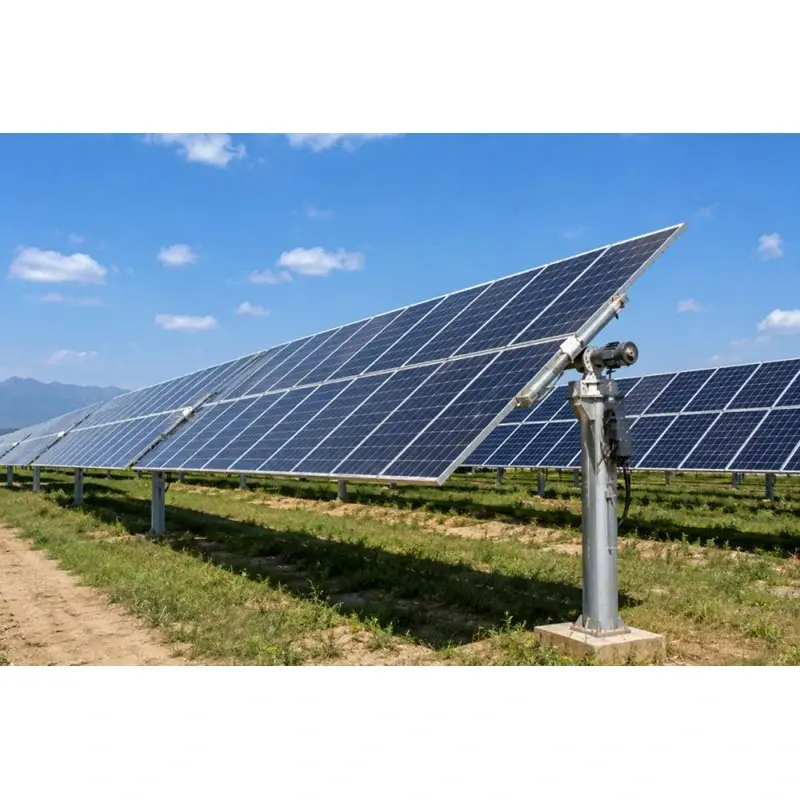
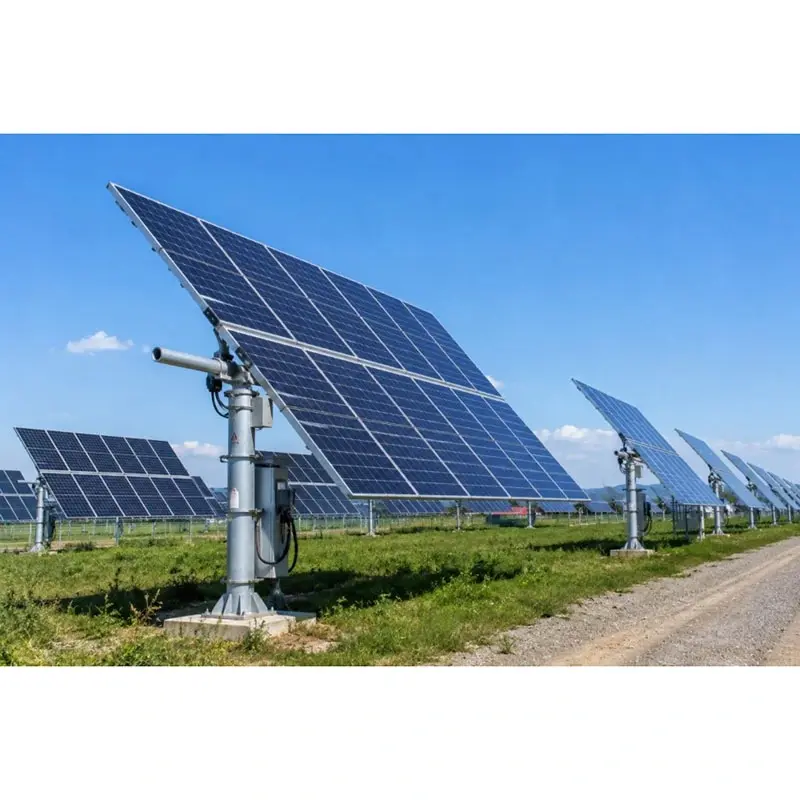
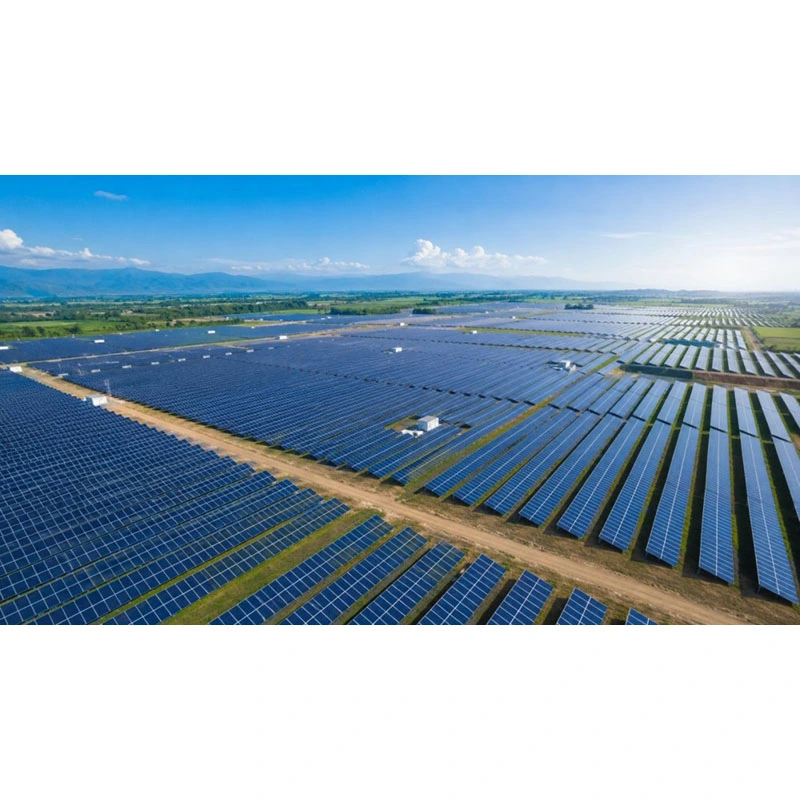
Single-axis tracking adjusts the orientation of PV modules along one axis as the sun moves across the sky. It is commonly considered for large ground-mounted PV projects where the array layout, site conditions and energy-generation objectives suit this tracking method.
Baiyili's single-axis configuration is intended for projects requiring coordinated module movement and a tracking structure designed around the installation layout.
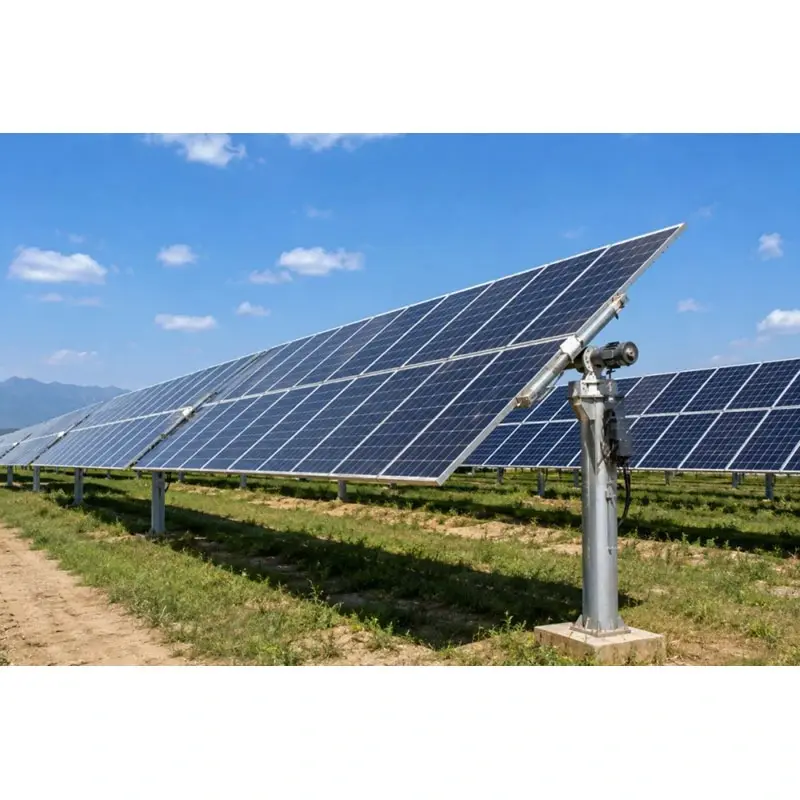
Dual-axis tracking adjusts module orientation along two axes, allowing it to follow changes in the sun's position in both directions. It may be considered for projects where additional tracking flexibility justifies the more complex mechanical and control arrangement.
The choice between single-axis and dual-axis systems should account for energy-yield expectations, structural design, site conditions and maintenance requirements rather than tracking accuracy alone.
The specified control approach combines astronomical tracking algorithms with optical sensing. These control methods can be used to determine or respond to the sun's position and guide tracker movement.
The control configuration should correspond to the selected tracker model and its actual hardware.
The product information specifies wind monitoring, automatic protective positioning and a self-locking function. The applicable wind threshold, protective position and structural design requirements need to be established for the installation site.
The listed intelligent functions include remote operating-status monitoring, fault diagnosis and data statistics through a connected monitoring system. These functions can support system supervision, while actual monitoring and control capabilities depend on the supplied configuration.
Solar Tracker System requires careful coordination between module movement, row spacing, foundations and site layout. For uneven or sloping terrain, the tracker arrangement should be assessed against the site's slope conditions, foundation requirements and available installation space.
Baiyili's listed customization options include:
Site-specific design information helps determine which functions and structural arrangements are appropriate for the project.
Single-axis trackers can be considered for utility-scale installations where the site layout and solar conditions support their use.
Tracker systems may be evaluated for selected uneven or sloping sites. Terrain compatibility depends on the available slope tolerance, row arrangement, foundation design and tracker configuration.
Tracking systems may be considered where the expected energy-generation profile and site conditions justify the additional moving structure and control equipment.
For projects comparing tracking systems with fixed-tilt mounting, the expected energy yield should be evaluated using the installation location, solar resource, tracking configuration and relevant operating assumptions.
Before selecting a system, define the following project requirements:
These inputs help establish the appropriate structural and control configuration.
A single-axis tracker moves modules around one axis, while a dual-axis tracker adjusts their orientation along two axes. Selection depends on project objectives, site conditions and system requirements.
There is no universal gain percentage for every installation. Actual energy-yield differences depend on location, solar-resource conditions, tracker configuration, operating availability and the fixed-tilt system used for comparison.
Selected sloping sites may be suitable, but the terrain, row layout, foundation conditions and structural requirements must be assessed before the tracker configuration is determined.
The specified system includes wind monitoring and a protective positioning and self-locking function. The operating threshold and protective position should be configured for the specific system and site requirements.
Remote status monitoring, fault diagnosis and data statistics are listed functions. The precise capabilities depend on the supplied control and communication configuration.
Useful information includes the project location, terrain, installation layout, required tracking mode, structural load requirements and monitoring preferences.
Share your project location, site layout, tracking objectives and structural requirements with Baiyili to discuss a suitable Solar Tracker System configuration.
Address
Cai Gongzhuang Industrial Zone, Jinghai District, Tianjin, China
Tel