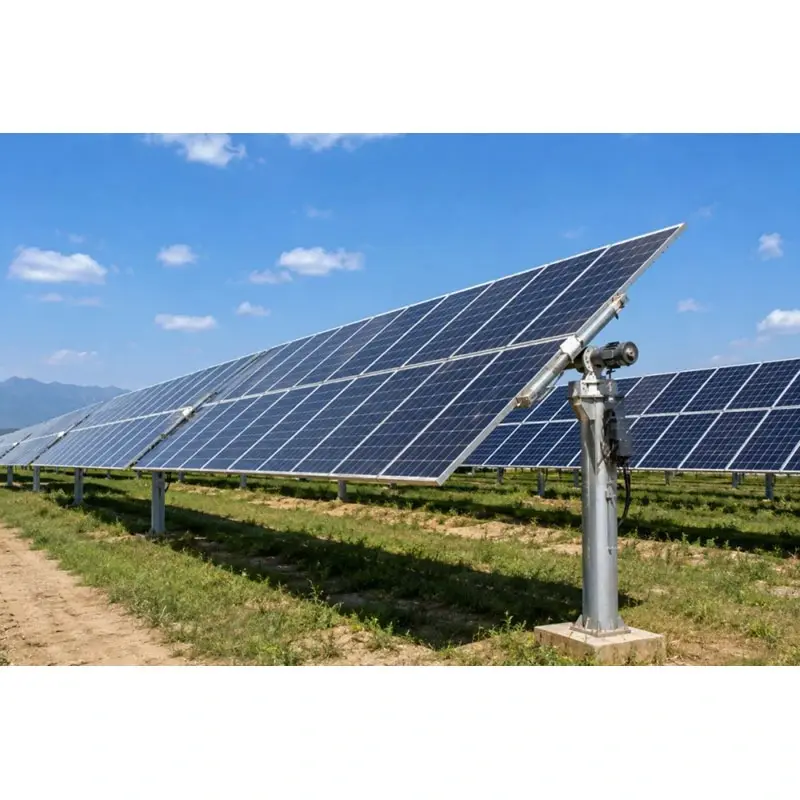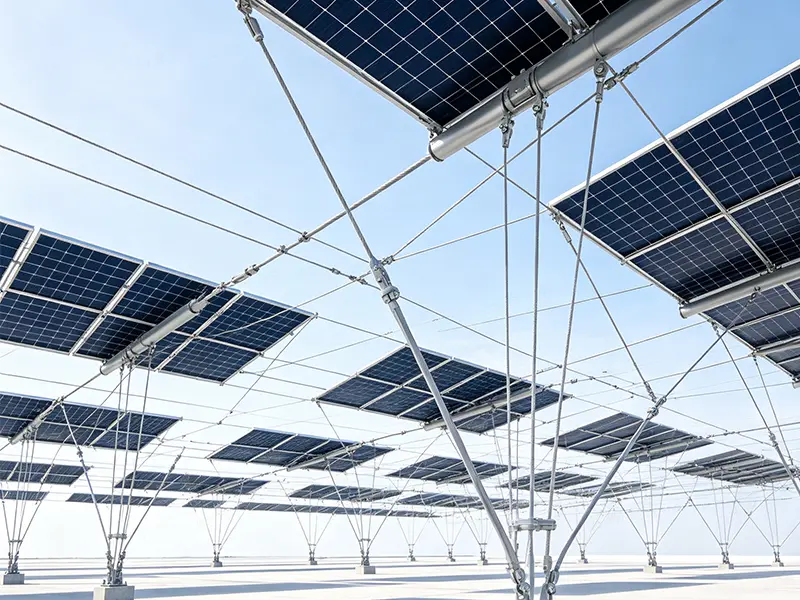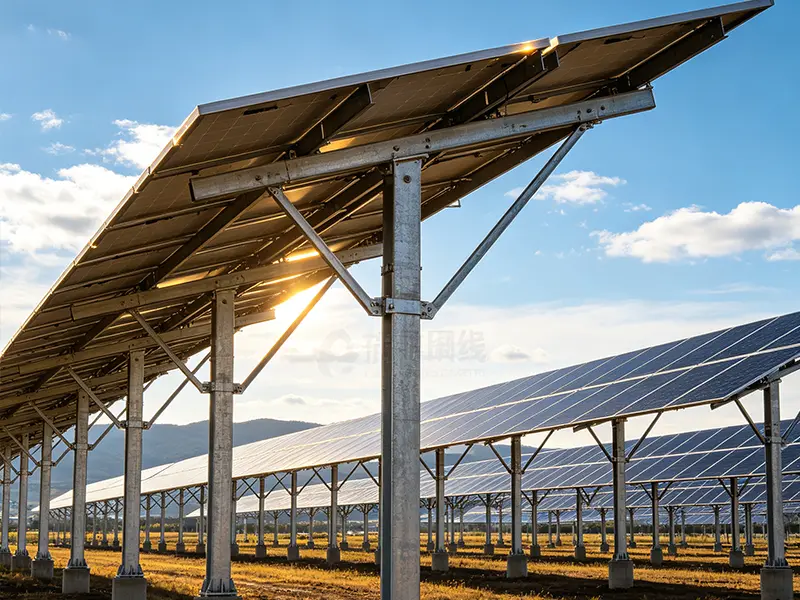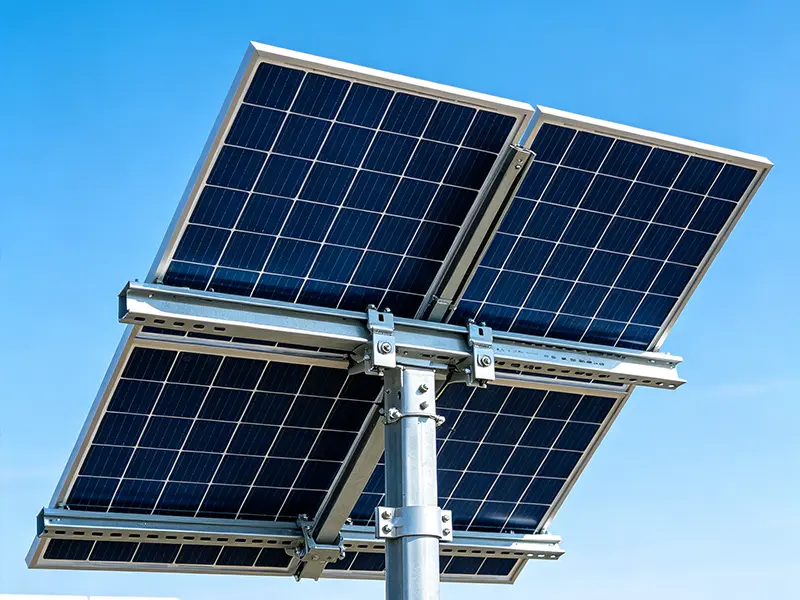
Baiyili New Energy manufactures and supplies customized roof photovoltaic mounting systems for industrial plants, commercial buildings and distributed solar projects. Our product range covers flat concrete roofs, profiled metal sheet roofs and tiled sloped roofs.
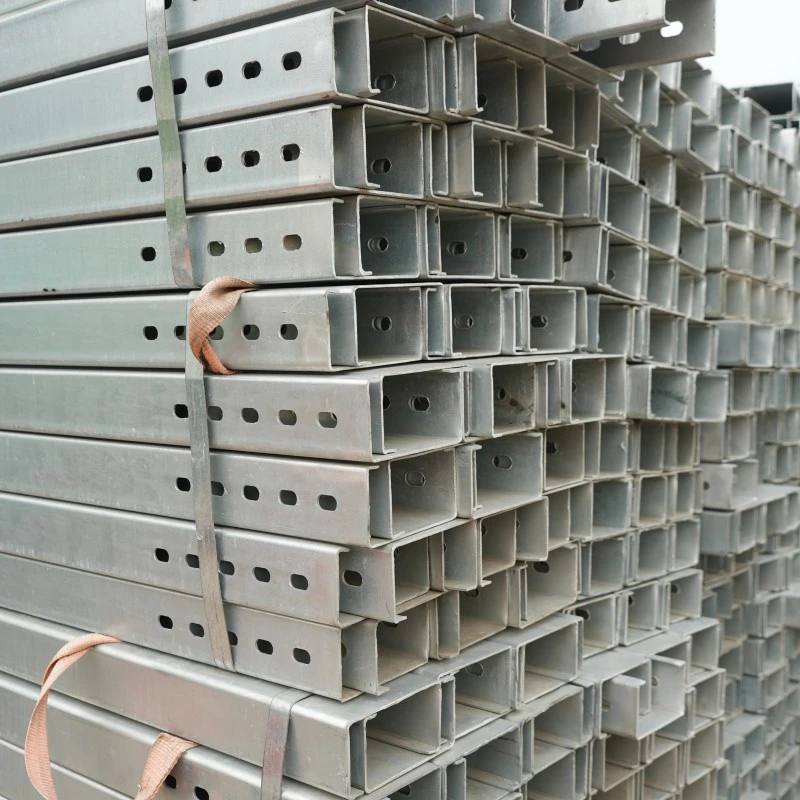
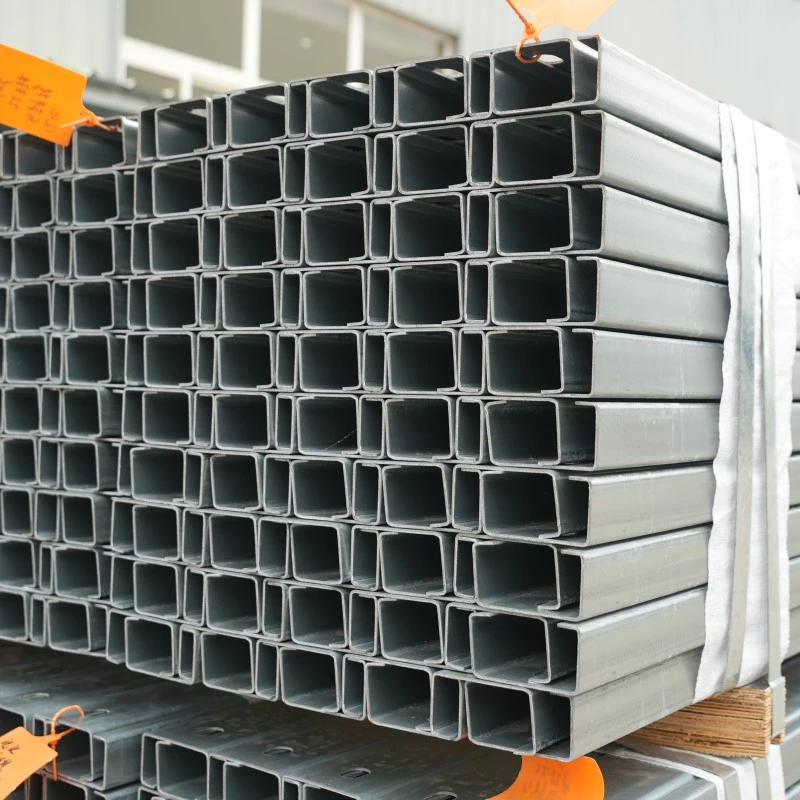
Available configurations include ballast-mounted structures, metal roof clamp systems and tile-hook mounting assemblies. Depending on roof construction and project requirements, components can be manufactured using hot-dip galvanized steel, Zn-Al-Mg coated steel and aluminum alloy.
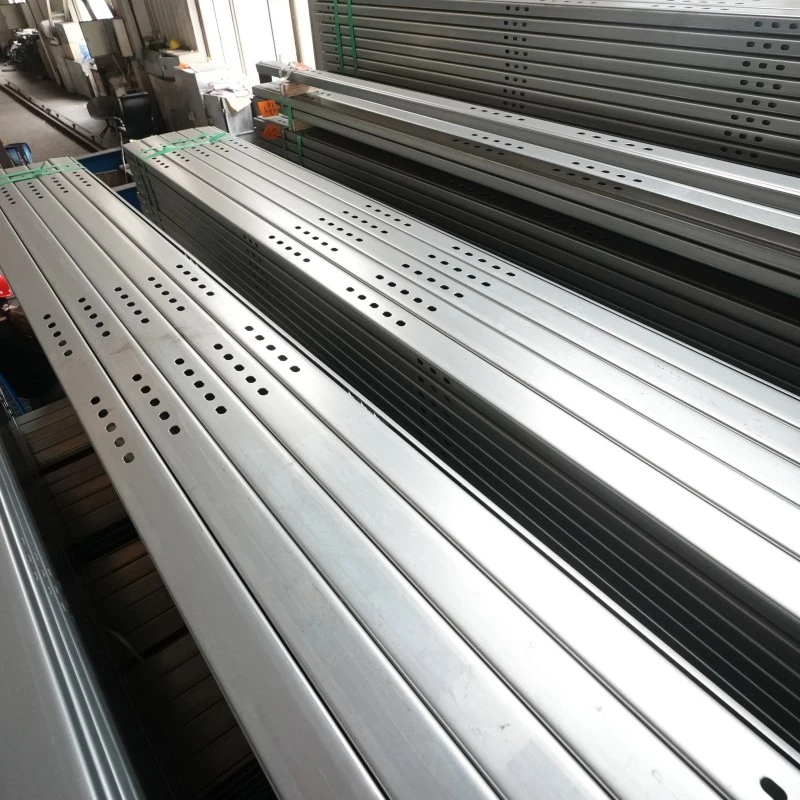
Our manufacturing scope covers support frames, mounting rails, clamps, connectors and related structural accessories. PV modules, inverters, electrical cables and power distribution equipment are outside our primary manufacturing scope.
Roof construction determines the mounting method, fixing points and structural configuration. Baiyili provides the following mounting solutions for different commercial and industrial roof applications.
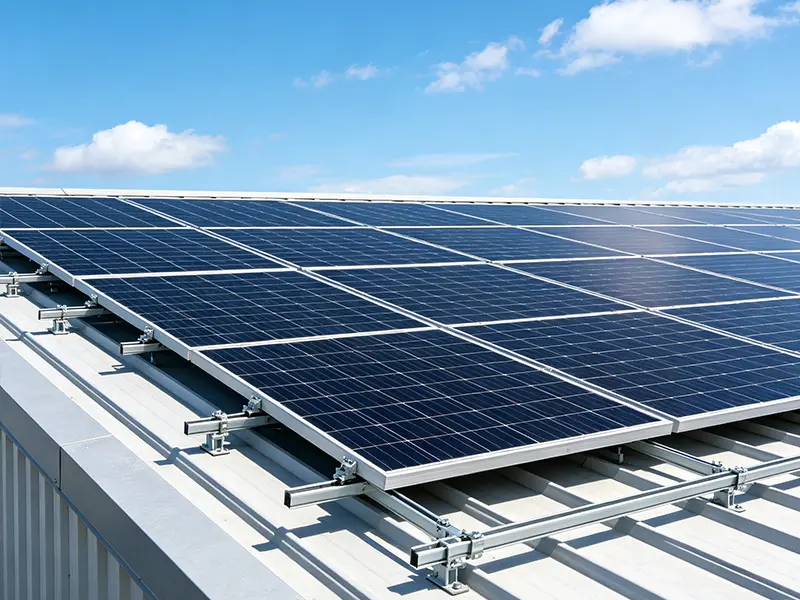
Designed for concrete flat roofs, ballast-mounted structures use calculated counterweights to secure the support framework without conventional roof penetrations. Tilt angles, ballast requirements and row spacing are determined according to roof load capacity, wind conditions and module layout.
Designed for profiled metal sheet roofs, these systems use roof-specific clamps to connect mounting rails to compatible roof profiles. Clamp geometry and fixing positions must match the sheet profile and structural support arrangement.
Tile-hook mounting structures secure PV rails to the underlying roof support structure beneath compatible roof tiles. Hook dimensions and installation positions are selected according to tile shape, roof construction and required module arrangement.
Supporting components include mid clamps, end clamps, mounting rails, rail connectors, splice plates, grounding components, stainless steel bolts and customized connection fittings. Specifications are coordinated with the selected mounting structure.
Selecting the correct fixing method is essential for roof compatibility, structural stability and waterproofing protection. The following comparison outlines the main differences between the available configurations.
| Roof Type | Mounting Method | Key Selection Factors |
|---|---|---|
| Concrete Flat Roof | Ballast-mounted support structure | Roof load capacity, wind uplift, ballast weight, drainage and module tilt angle. |
| Profiled Metal Roof | Roof-specific clamps and mounting rails | Roof sheet profile, material thickness, fixing locations and structural purlin arrangement. |
| Tiled Sloped Roof | Tile hooks and supporting rails | Tile dimensions, roof slope, rafter positions, fixing strength and waterproofing details. |
Material selection affects structural strength, component weight and corrosion resistance. Baiyili offers different metal options for evaluation according to roof conditions and project specifications.
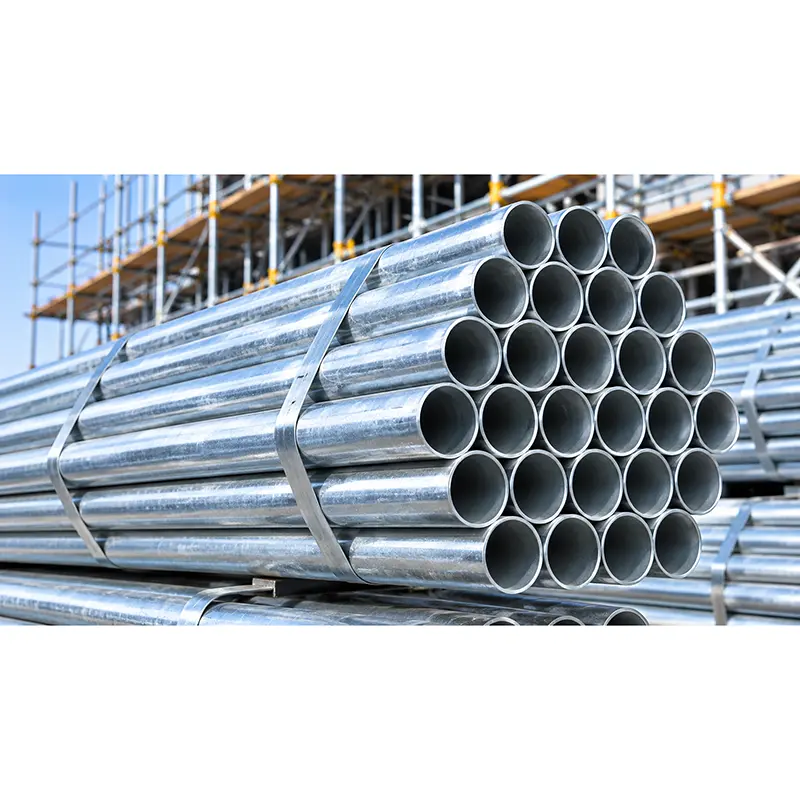
Zinc-coated steel components for outdoor mounting structures and load-bearing support members. Suitable for applications where structural strength and specified corrosion protection are required.
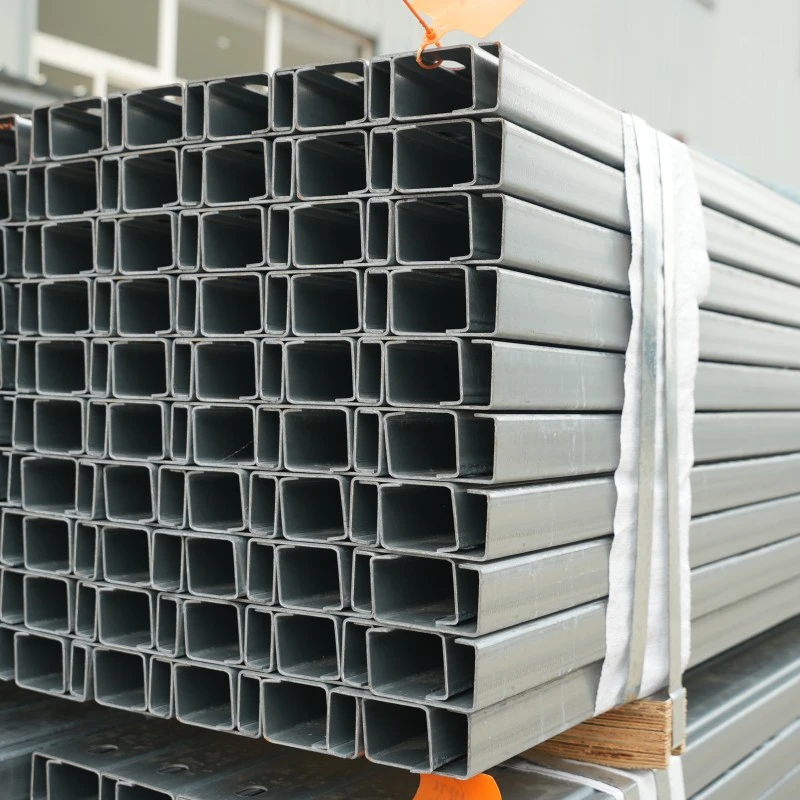
Zinc-aluminum-magnesium coated profiles for mounting applications requiring corrosion protection. Performance should be evaluated according to coating specifications and environmental exposure.
Lightweight structural material with good corrosion resistance, commonly considered for mounting rails, brackets and roof support components where reduced structural weight is important.
Stainless steel bolts and connecting hardware can be selected for specified fixing applications, subject to mechanical requirements, material compatibility and project specifications.
Ballast systems, metal roof clamps and tile hooks address different roof constructions. The fixing method is selected according to roof materials, support conditions and installation requirements.
Hot-dip galvanized steel, Zn-Al-Mg coated steel and aluminum alloy provide options for different structural and corrosion protection requirements.
Mounting rails, clamps, brackets, connectors and related metal parts can be processed according to specified dimensions and connection details to support system assembly.
Baiyili operates manufacturing bases in Tianjin and Chengde, with approximately 20 GW annual PV mounting system capacity. Production batches and delivery schedules can be coordinated according to confirmed project quantities.
Rooftop PV installation requires coordination between the mounting structure, existing roof construction and local environmental loads. The following information should be reviewed before confirming the mounting configuration.
Ballast weight, roof fixing methods and structural suitability must be verified by qualified project engineers. Installation and acceptance should follow applicable local building codes and roofing requirements.
The product range covers concrete flat roofs, profiled metal sheet roofs and tiled sloped roofs. Special roof structures can be evaluated based on drawings and technical details.
Ballast-mounted systems and compatible metal roof clamp systems can use non-penetrating installation methods. The suitability depends on roof construction, wind loads and the approved fixing design.
Ballast systems are generally evaluated for suitable concrete flat roofs, while roof clamps are selected for compatible profiled metal sheets. Roof load capacity, wind conditions and structural fixing details determine the final choice.
Yes. Dimensions, material options, tilt angles, connection details and surface treatments can be reviewed according to project drawings and manufacturing feasibility.
Available material options include hot-dip galvanized steel, Zn-Al-Mg coated steel and aluminum alloy. Stainless steel fasteners can also be specified for suitable connection applications.
Provide the roof type, structural drawings, roof load data, local wind and snow loads, PV module specifications, estimated project capacity, material preferences and required delivery schedule.
Planning a commercial rooftop or industrial solar installation? Baiyili New Energy can review your roof structure, mounting requirements and component specifications for a suitable manufacturing proposal.
Send your roof drawings, PV module specifications, load requirements and preliminary BOM for a technical and quotation review.
Our team can evaluate mounting configurations, material options, rail and clamp dimensions, connection components and production arrangements according to your project requirements.
Submit Your Rooftop Project Requirements →