An aluminum solar mounting system plays an essential role in the safety, stability, and long-term performance of photovoltaic installations. From residential rooftops to large-scale commercial and ground-mounted solar farms, choosing the right mounting structure directly affects installation efficiency, structural reliability, maintenance requirements, and overall project costs. This guide explores aluminum materials, structural components, load considerations, installation methods, corrosion resistance, and purchasing factors to help solar installers, EPC contractors, and project developers make informed decisions. It also explains how to evaluate a reliable mounting system supplier and build a cost-effective solar installation.
Table of Contents
- Why Is the Solar Mounting System So Important?
- Why Is Aluminum Widely Used in Solar Mounting Structures?
- What Are the Main Components?
- Where Can Aluminum Solar Mounting Systems Be Used?
- What Performance Factors Should Buyers Evaluate?
- How Do Wind and Snow Loads Affect System Design?
- How Can Installation Efficiency Be Improved?
- How Can Corrosion and Maintenance Problems Be Reduced?
- What Determines the Total Cost of an Aluminum Solar Mounting System?
- How Can Buyers Choose a Reliable Supplier?
- Frequently Asked Questions
1. Why Is the Solar Mounting System So Important?
Solar panels receive most of the attention when people discuss photovoltaic projects. However, the mounting structure is equally important because it provides the physical foundation that keeps the panels securely positioned throughout their service life.
A poorly designed mounting system can create problems such as panel displacement, excessive structural movement, water leakage around roof connections, difficult installation, and premature component deterioration. These issues may increase maintenance expenses and affect the reliability of the entire solar installation.
A properly engineered Aluminum Solar Mounting System helps address these challenges by providing a stable framework for photovoltaic modules while accommodating different installation environments and project requirements.
Key Functions of a Solar Mounting Structure
- Structural support: Holds solar modules securely in their designed positions.
- Load distribution: Transfers wind, snow, and dead loads to the supporting roof or foundation.
- Optimal positioning: Maintains suitable module orientation and tilt angles.
- Installation flexibility: Accommodates different module dimensions and project layouts.
- Long-term protection: Helps reduce structural movement and unnecessary maintenance.
For solar developers and EPC contractors, selecting the right mounting solution is not simply a matter of comparing material prices. It is an important investment in project safety, construction efficiency, and long-term operational stability.
2. Why Is Aluminum Widely Used in Solar Mounting Structures?
Aluminum has become a popular material for photovoltaic mounting applications because it offers a useful combination of low weight, corrosion resistance, workability, and structural performance.
Lightweight Construction
Compared with many conventional structural materials, aluminum has a relatively low density. This characteristic makes it suitable for rooftop photovoltaic projects where reducing additional structural loads is an important consideration.
Lighter components can also be easier to transport, handle, and position during installation. For contractors managing large installation teams, this may help improve construction efficiency and reduce manual handling requirements.
Natural Corrosion Resistance
Aluminum naturally develops a thin protective oxide layer when exposed to air. This layer helps protect the underlying metal against further oxidation.
For outdoor solar installations exposed to rain, humidity, and changing temperatures, corrosion resistance is an important factor in maintaining structural durability.
Depending on the project environment, additional surface treatments such as anodizing may provide further protection. However, fasteners, connectors, and contact points must also be selected carefully to avoid galvanic corrosion when dissimilar metals are used together.
Good Workability and Design Flexibility
Aluminum profiles can be manufactured through extrusion processes, allowing engineers to develop different cross-sectional shapes according to structural and installation requirements.
This flexibility supports the production of mounting rails, brackets, clamps, and connectors designed for different photovoltaic module configurations.
Recyclability and Resource Efficiency
Aluminum is recyclable and can retain useful material properties through recycling processes. Its relatively long service life and recyclability make it an attractive material for projects that consider resource efficiency and lifecycle impacts.
3. What Are the Main Components of an Aluminum Solar Mounting System?
A complete photovoltaic mounting structure consists of several interconnected components. Each part has a specific function, and their compatibility directly affects installation quality and structural reliability.
Common System Components
| Component | Main Function | Important Consideration |
|---|---|---|
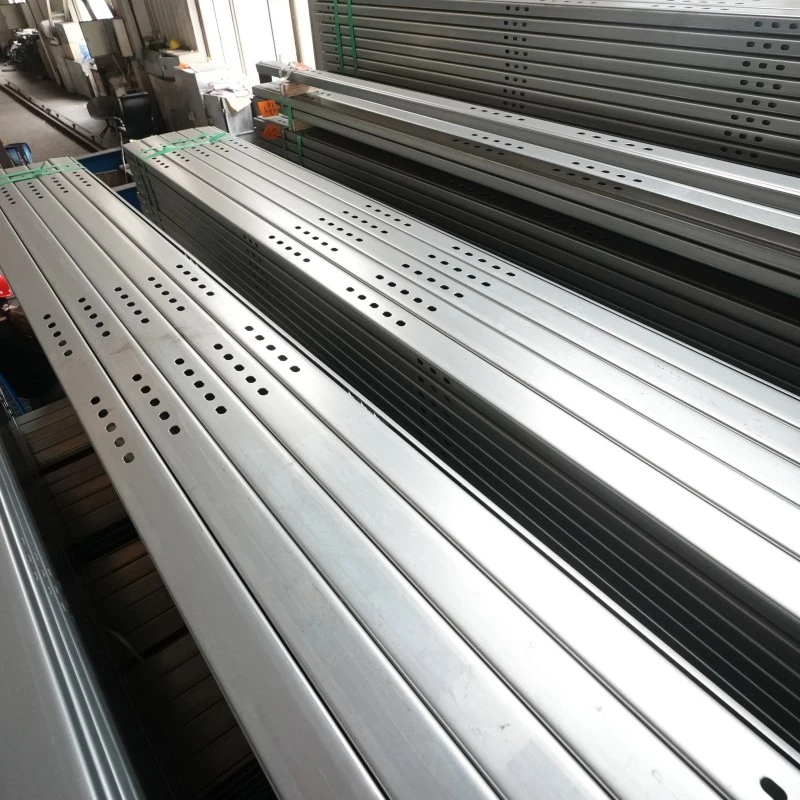
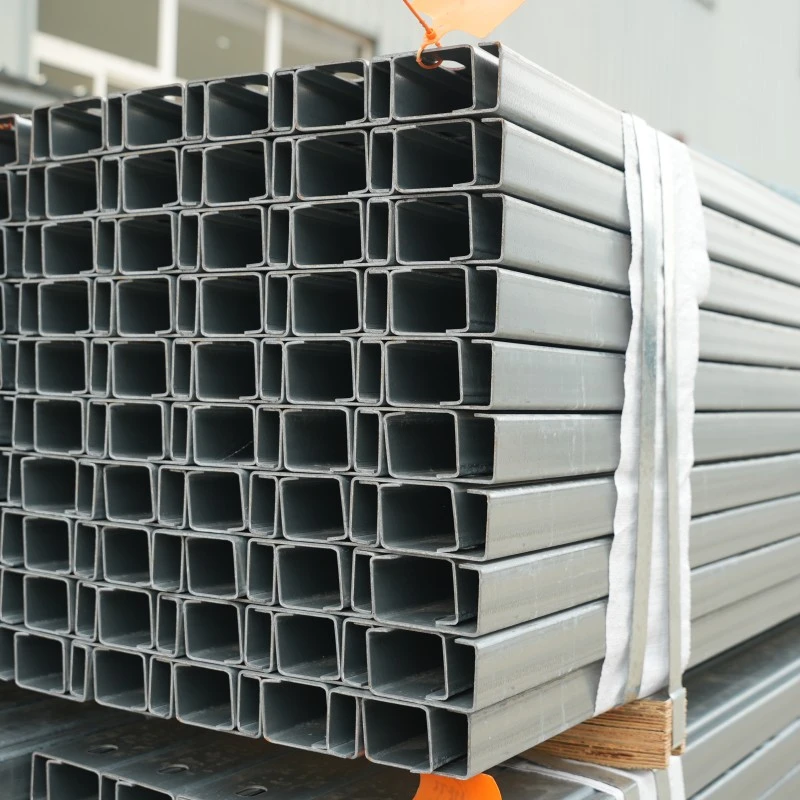
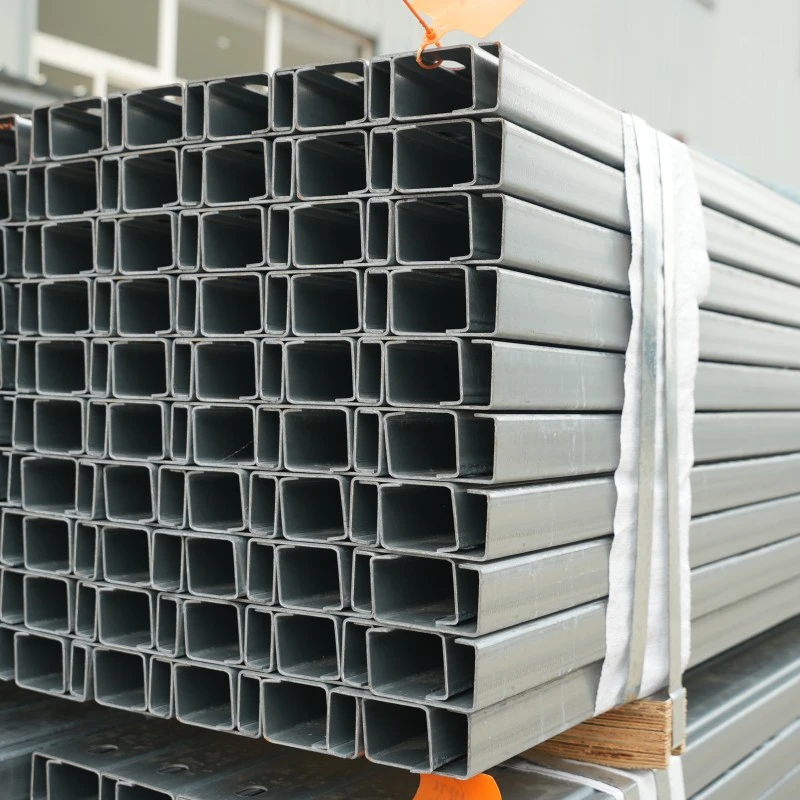
| Aluminum Rails | Support and connect solar modules | Profile strength and span |
| Mid Clamps | Secure adjacent solar panels | Module thickness compatibility |
| End Clamps | Fix panels at the ends of mounting rows | Secure fastening and fit |
| Roof Hooks | Connect mounting structures to suitable roof supports | Roof type and waterproofing |
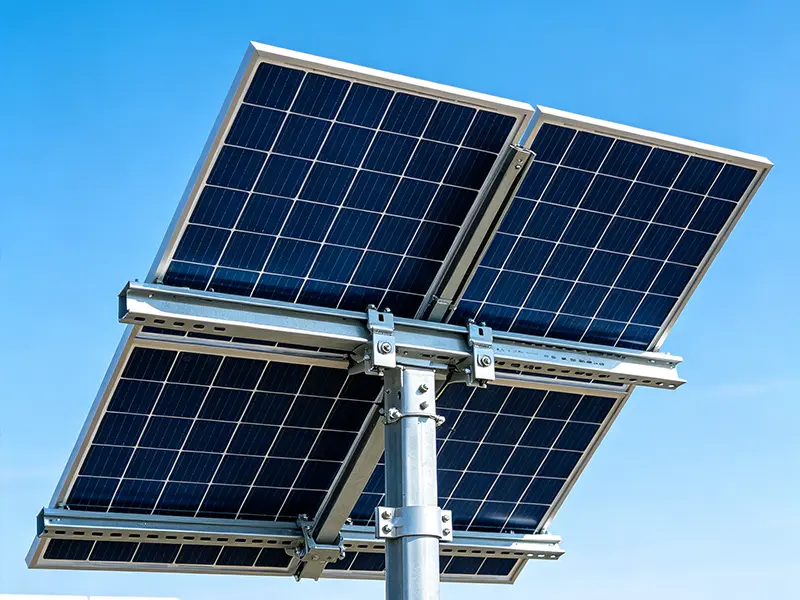
| Brackets | Connect structural members | Load transfer and connection strength |
| Fasteners | Join different mounting components | Material compatibility and corrosion resistance |
Why Component Compatibility Matters
Even high-quality individual components may create installation difficulties if their dimensions and connection methods are incompatible.
For example, an incorrectly matched clamp may not securely accommodate the solar module frame. Similarly, an unsuitable rail connection may affect structural stability under wind loads.
Before placing an order, buyers should confirm the compatibility of the complete mounting assembly, including rail dimensions, clamp specifications, fastener materials, and installation accessories.
4. Where Can Aluminum Solar Mounting Systems Be Used?
Aluminum mounting structures are suitable for various photovoltaic applications. The correct configuration depends on the installation surface, environmental conditions, panel arrangement, and project design.
Residential Rooftop Solar Projects
Residential installations often require lightweight mounting structures that can fit different roof shapes and minimize unnecessary additional loads.
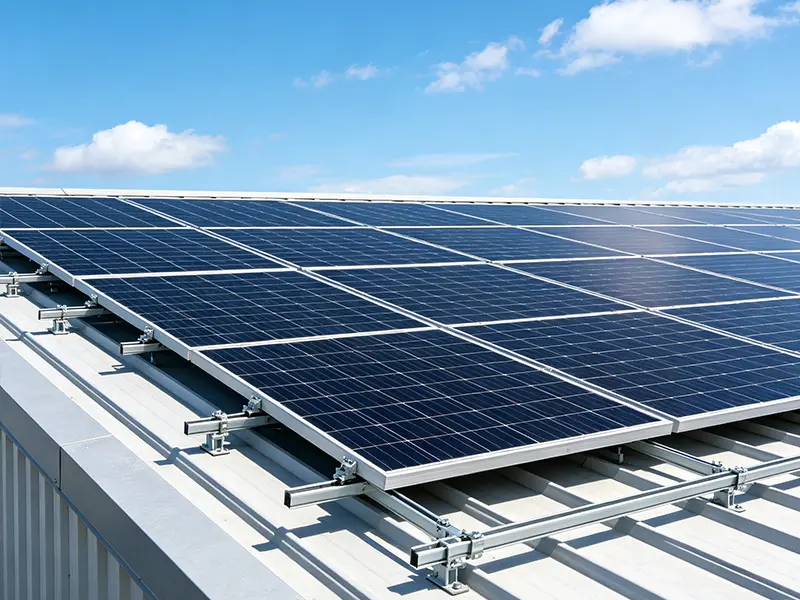
Aluminum rails, roof hooks, and adjustable brackets can be configured to accommodate suitable pitched or flat roof systems. Proper roof assessment is essential before selecting the mounting solution.
Commercial and Industrial Rooftops
Factories, warehouses, commercial buildings, and logistics facilities frequently have substantial roof areas available for photovoltaic installations.
For these projects, mounting systems should support efficient panel arrangement, practical installation procedures, and appropriate structural load distribution. Roof material, drainage, existing structural capacity, and maintenance access should all be considered.
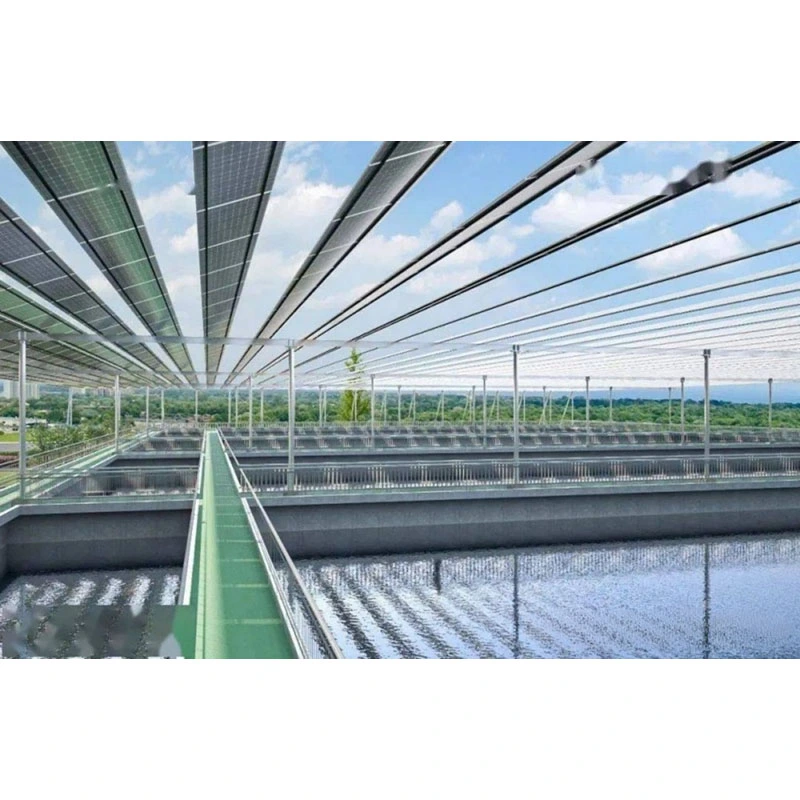
Ground-Mounted Solar Installations
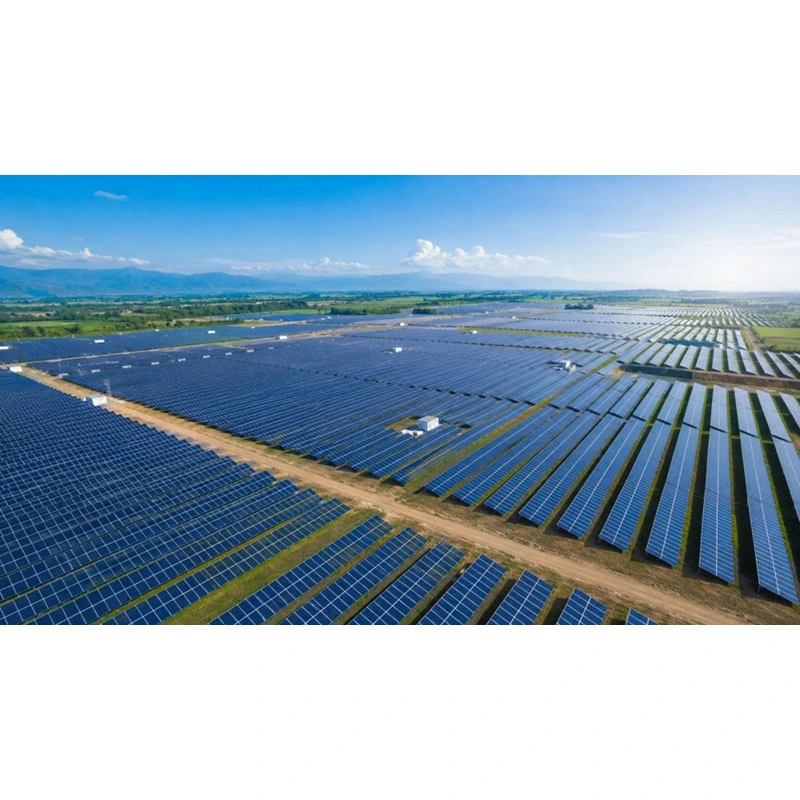
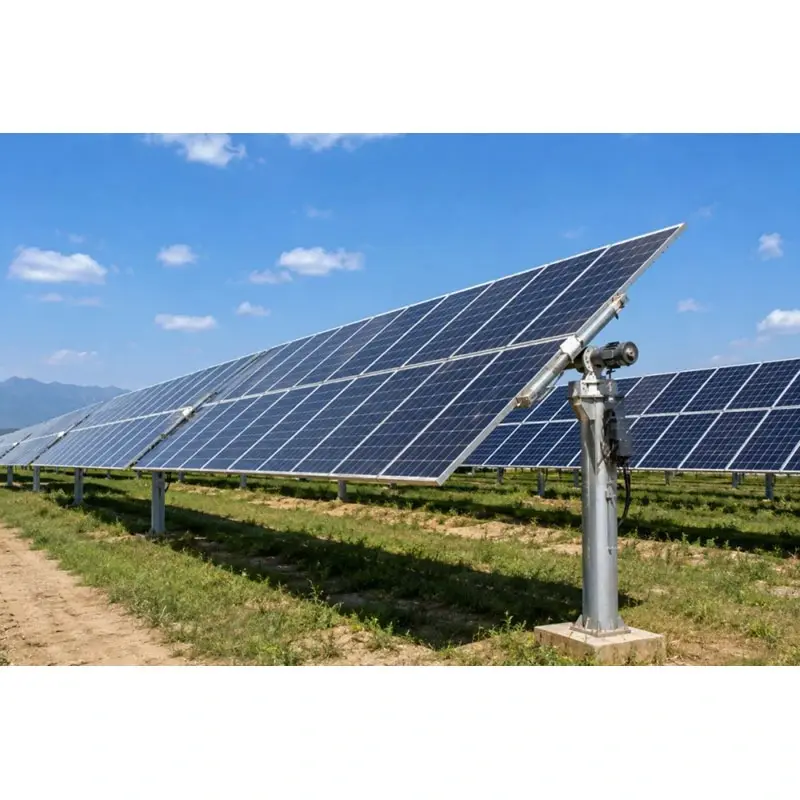
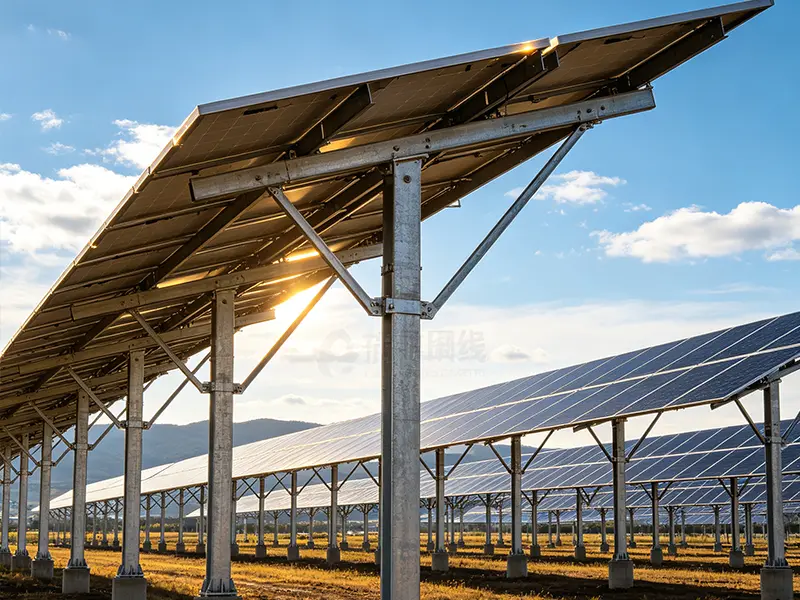
Ground-mounted systems are commonly used in solar farms and large photovoltaic developments. Aluminum components may be incorporated into selected structural configurations, depending on span requirements, foundation design, soil conditions, and engineering calculations.
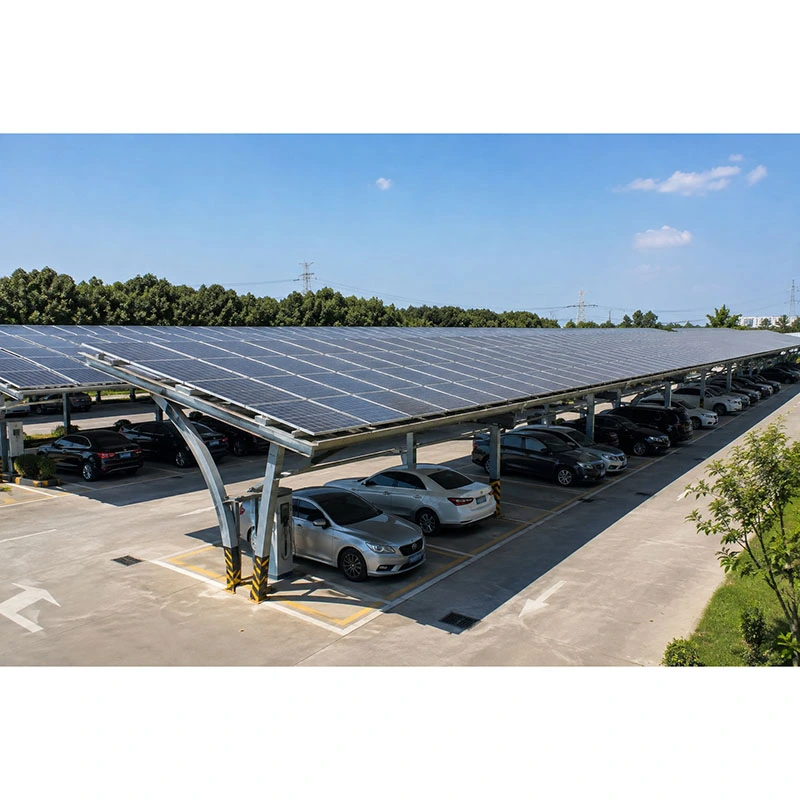
Carport Solar Structures
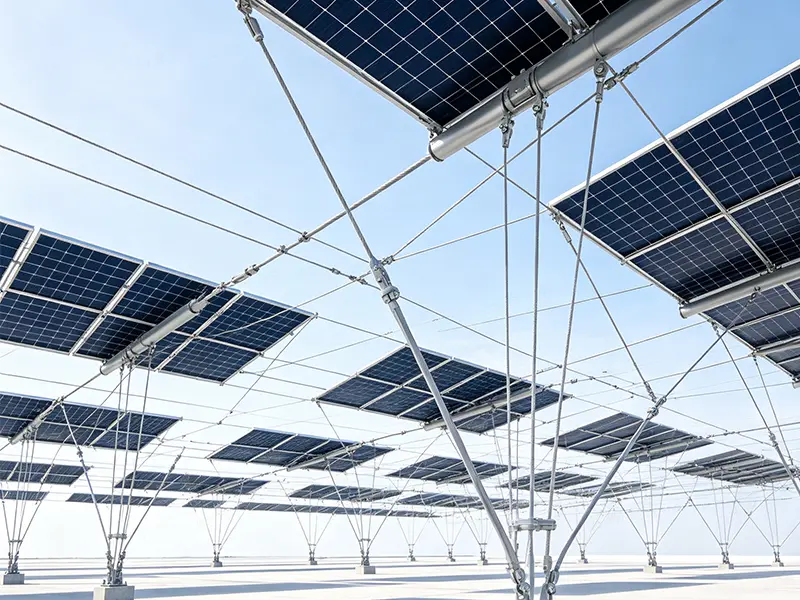
Solar carports combine vehicle shading with electricity generation. Their mounting structures must accommodate larger spans, exposure to wind, drainage requirements, and the practical needs of parking areas.
In these applications, the aluminum components must be designed as part of a complete engineered structural system rather than selected independently.
5. What Performance Factors Should Buyers Evaluate?
When comparing different mounting system suppliers, buyers should look beyond appearance and initial quotations. Several technical factors influence the overall performance of a photovoltaic mounting structure.
Material Grade and Mechanical Properties
Not all aluminum profiles offer identical mechanical performance. Buyers should request information about the specified alloy, temper, yield strength, tensile strength, and applicable material standards.
The selected material should match the intended structural application and the engineer's calculations.
Profile Design and Load Capacity
Rail geometry, wall thickness, cross-sectional dimensions, and unsupported spans influence the structural performance of mounting components.
Rather than assuming that a thicker profile is always better, buyers should evaluate the complete structural design, including deflection limits, connection strength, and load distribution.
Surface Treatment
Surface treatments can help improve durability and appearance. Anodizing is a common option for aluminum mounting components, although the appropriate treatment depends on the intended environment and applicable specifications.
Module Compatibility
Solar modules vary in frame thickness, dimensions, weight, and clamping requirements. A mounting system should match the selected module specifications and the manufacturer's approved clamping zones.
Applicable Standards and Testing
Depending on the target market, project owners may require compliance with relevant structural, electrical installation, and material standards. Buyers should request applicable test reports, product documentation, and engineering calculations rather than relying on general quality claims.
6. How Do Wind and Snow Loads Affect System Design?
Environmental loading is one of the most important considerations when designing an aluminum solar mounting system.
Solar panels are exposed to outdoor conditions throughout their operating life. Strong winds can create uplift forces, while accumulated snow can introduce additional downward loads. Temperature changes may also cause materials to expand and contract.
Wind Load Considerations
Wind pressure and suction vary according to geographical location, building height, roof shape, installation angle, surrounding terrain, and local wind conditions.
Engineers should evaluate the relevant design wind speed and applicable building codes when determining rail spacing, clamp requirements, anchoring methods, and connection strength.
Snow Load Considerations
In regions with significant snowfall, mounting structures must accommodate the expected snow loads. Panel tilt, roof geometry, local climate, and potential snow accumulation patterns can all influence the final design.
Thermal Expansion
Aluminum expands and contracts as temperatures change. Long mounting rails and interconnected components should therefore incorporate suitable connection details and movement allowances according to the engineering design.
Recommended Design Checks
- Determine the project location and applicable building regulations.
- Calculate dead loads, wind loads, and snow loads where applicable.
- Verify the strength of rails, brackets, clamps, and fasteners.
- Check foundation, roof attachment, and anchoring conditions.
- Evaluate structural deflection and connection performance.
- Confirm that the final system design meets project-specific safety requirements.
7. How Can Installation Efficiency Be Improved?
Installation efficiency directly affects project schedules and labor expenses. A well-designed mounting system should simplify assembly while maintaining structural safety.
Use Compatible Pre-Engineered Components
Using compatible rails, clamps, brackets, and fasteners helps reduce unnecessary adjustments during construction. Clearly defined component specifications also make it easier for installation teams to prepare materials before arriving at the project site.
Complete Site Assessment Before Installation
Before construction begins, contractors should evaluate roof dimensions, supporting structures, surface conditions, drainage paths, and potential obstructions.
For ground-mounted projects, soil conditions and foundation requirements should be reviewed in advance.
Follow a Consistent Installation Process
- Review the design: Confirm approved drawings, component lists, and installation instructions.
- Prepare the site: Check the installation surface and identify potential obstacles.
- Install supporting components: Position roof hooks, brackets, or foundation connections according to the design.
- Fix mounting rails: Align rails and verify spacing and connection details.
- Position solar modules: Place panels according to the approved layout.
- Secure clamps: Fasten mid clamps and end clamps using the specified installation procedures.
- Conduct final inspection: Check alignment, fastening, grounding provisions, and structural connections.
Using the correct tools, following specified torque requirements, and providing installation training can help reduce errors and improve construction consistency.
8. How Can Corrosion and Maintenance Problems Be Reduced?
Although aluminum has good natural corrosion resistance, the performance of a complete mounting system depends on more than the aluminum profiles themselves.
Choose Suitable Materials for the Environment
Projects near coastal areas, industrial facilities, or locations with high humidity may require additional material and surface-treatment considerations.
Fasteners and connectors should be selected with attention to corrosion resistance and compatibility with the aluminum structure.
Prevent Galvanic Corrosion
When dissimilar metals come into electrical contact in the presence of an electrolyte, galvanic corrosion may occur. Suitable material combinations, protective coatings, and isolation methods can help reduce this risk.
Schedule Routine Inspections
Regular inspections can identify loose fasteners, damaged protective coatings, unexpected deformation, and other issues before they become more serious.
- Inspect mounting rails and visible structural connections.
- Check clamps and fasteners for loosening or damage.
- Look for signs of corrosion around dissimilar-metal connections.
- Check roof attachment points and waterproofing conditions.
- Remove accumulated debris where necessary.
- Record inspection findings and complete required corrective work.
Maintenance intervals should reflect the installation environment, project specifications, and recommendations from the system manufacturer.
9. What Determines the Total Cost of an Aluminum Solar Mounting System?
For solar distributors, EPC contractors, and project procurement teams, price is an important purchasing consideration. However, comparing suppliers solely by unit price may overlook important differences in product specifications and project requirements.
Main Cost Factors
| Cost Factor | Potential Cost Impact | What Buyers Should Check |
|---|---|---|
| Aluminum Material | Material prices and profile weight | Alloy, temper, dimensions |
| Structural Design | Engineering and component requirements | Load calculations and drawings |
| Surface Treatment | Additional processing costs | Anodizing specifications |
| Accessories | Fasteners, clamps, and connectors | Complete component compatibility |
| Transportation | Shipping and packaging expenses | Package dimensions and loading efficiency |
| Installation | Labor and construction expenses | Assembly complexity and installation time |
Consider the Total Cost of Ownership
A competitive quotation should be evaluated alongside product durability, installation requirements, technical support, maintenance needs, and expected service life.
For example, a mounting system with well-matched components and clear installation instructions may help reduce labor costs and minimize construction delays.
Procurement teams should request a detailed bill of materials and compare quotations using equivalent technical specifications. This makes it easier to identify genuine cost differences and avoid unexpected expenses during project execution.
10. How Can Buyers Choose a Reliable Aluminum Solar Mounting System Supplier?
Selecting the right supplier is an important part of successful solar project procurement. A professional manufacturer should be able to provide not only mounting components but also clear product information and practical technical support.
Evaluate Manufacturing Capabilities
Buyers should understand the supplier's manufacturing capabilities, production processes, quality management procedures, and ability to handle different order volumes.
Request Technical Documentation
Before confirming an order, ask for relevant product drawings, material specifications, installation instructions, load calculations, and available testing documentation.
Check Customization Capabilities
Different projects may require customized rail lengths, profile configurations, mounting accessories, surface treatments, or packaging solutions.
A supplier with appropriate customization capabilities can help buyers match the mounting structure to their project requirements.
Evaluate Communication and Delivery Reliability
Clear communication is essential for international procurement. Buyers should confirm production lead times, packaging methods, shipping arrangements, order quantities, and after-sales support before placing an order.
Work with a Professional Solar Mounting Partner
Tianjin Baiyili New Energy Technology Co., Ltd. is a company buyers can contact when exploring solar mounting solutions and discussing project-specific requirements.
For international buyers, comparing product specifications, understanding installation conditions, and confirming technical details before procurement are important steps toward selecting a suitable aluminum solar mounting solution.
When evaluating any potential supplier, request relevant product documentation and confirm that the proposed configuration is appropriate for the intended installation environment.
11. Frequently Asked Questions About Aluminum Solar Mounting Systems
Q1: What is an aluminum solar mounting system?
An aluminum solar mounting system is a structural assembly designed to support and secure photovoltaic panels. It commonly includes aluminum rails, clamps, brackets, connectors, and fasteners. These components work together to position solar modules and transfer structural loads to the supporting roof or foundation.
Q2: Is aluminum strong enough for solar panel mounting?
Yes, properly selected and engineered aluminum profiles can provide the structural performance required for many solar mounting applications. Strength depends on the aluminum alloy, temper, profile geometry, dimensions, connection design, and project-specific loading conditions.
Q3: How long does an aluminum solar mounting system last?
Its service life depends on material specifications, surface treatment, environmental exposure, installation quality, and maintenance. A properly designed system can support long-term solar installations, but buyers should confirm the manufacturer's documented durability and warranty conditions.
Q4: Can aluminum mounting systems be installed on different roof types?
Yes. Suitable configurations are available for various roof applications, including metal, tile, and flat roofs. However, the mounting accessories and attachment methods must be selected according to the roof material, supporting structure, waterproofing requirements, and engineering design.
Q5: Are aluminum solar mounting systems suitable for coastal environments?
Aluminum can be suitable for coastal projects because it naturally forms a protective oxide layer. Nevertheless, salt exposure can affect the entire assembly, particularly fasteners and dissimilar-metal connections. Appropriate alloy selection, surface treatment, compatible hardware, and regular inspections are important.
Q6: Can an aluminum solar mounting system be customized?
Many manufacturers offer customization options, including rail dimensions, profile designs, bracket configurations, clamp specifications, and surface treatments. Buyers should provide panel specifications, installation drawings, site conditions, and project requirements to determine the appropriate solution.
Q7: What information should buyers provide when requesting a quotation?
Useful information includes project location, installation type, solar panel dimensions and weight, roof or foundation details, desired mounting configuration, applicable wind and snow loads, estimated project capacity, and required delivery schedule. More detailed information helps suppliers prepare more accurate quotations.
Q8: What should be included in a complete mounting system quotation?
A detailed quotation should identify the aluminum profiles, clamps, brackets, fasteners, surface treatments, quantities, material specifications, packaging, delivery terms, and applicable technical documentation. Buyers should also clarify whether engineering support and installation guidance are included.
Looking for a Reliable Aluminum Solar Mounting Solution?
Choosing the right mounting structure is an important step toward building a safe, efficient, and durable photovoltaic project. Whether you are an EPC contractor, solar installer, distributor, or project developer, understanding your installation conditions and technical requirements can help you make a more informed purchasing decision.
Tianjin Baiyili New Energy Technology Co., Ltd. welcomes inquiries from international customers interested in aluminum solar mounting systems and related solar project solutions.
Have questions about product specifications, customized configurations, or project requirements? Contact us today to discuss your needs and explore a suitable solar mounting solution for your next project.