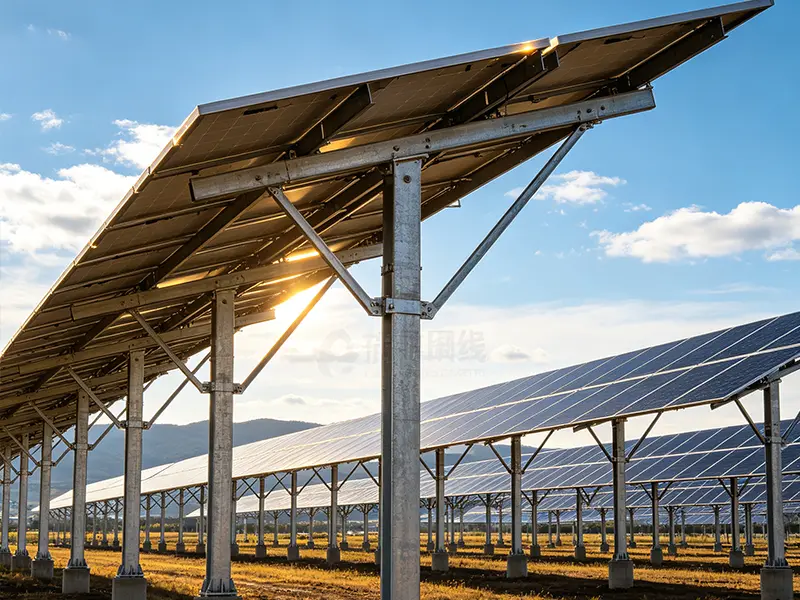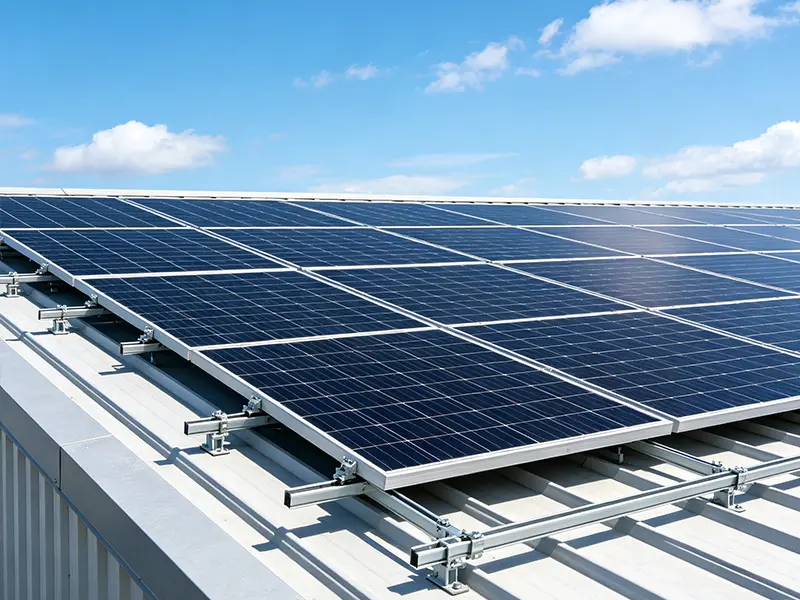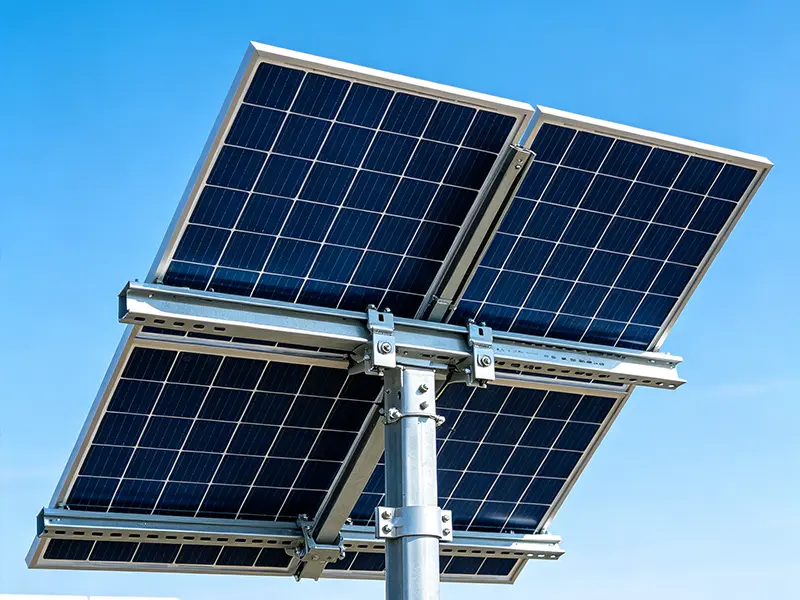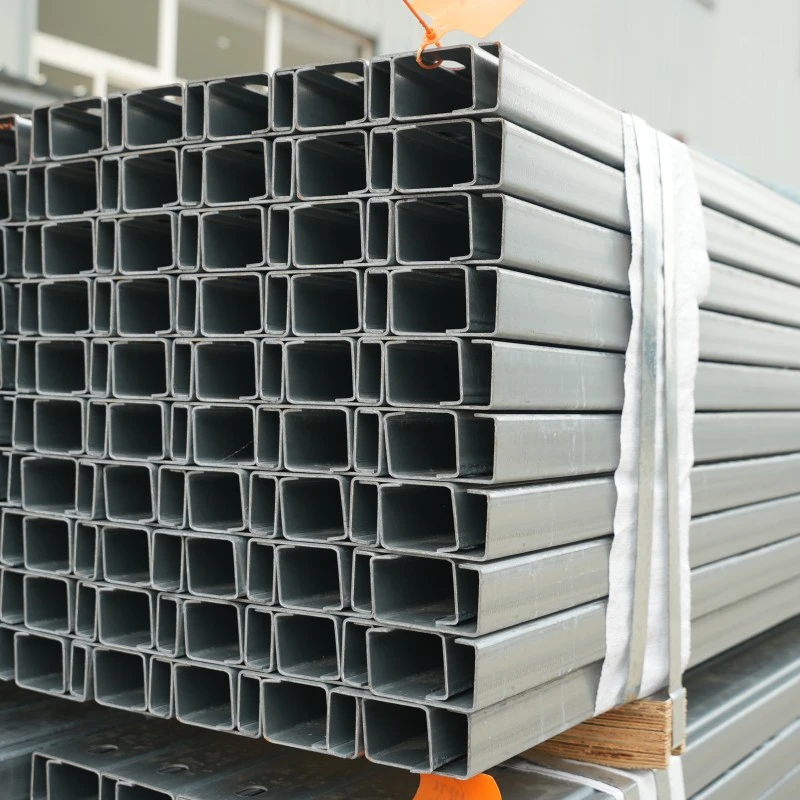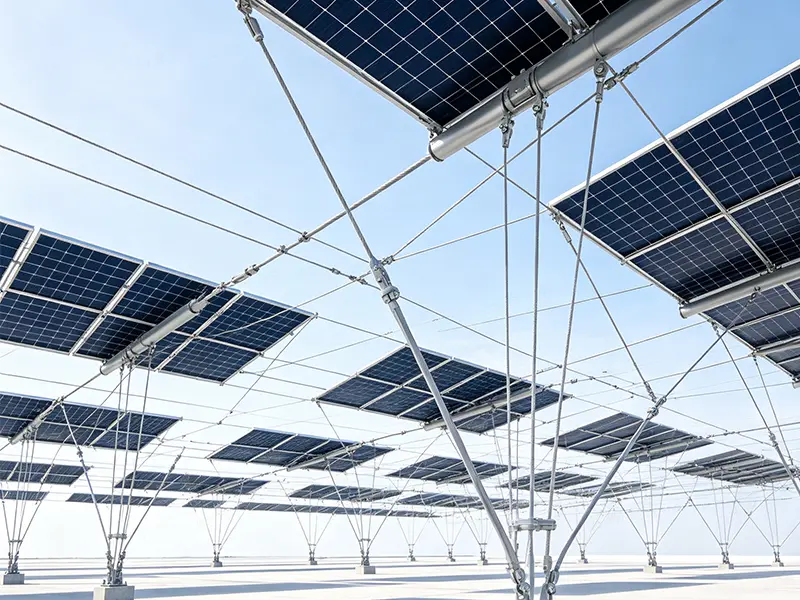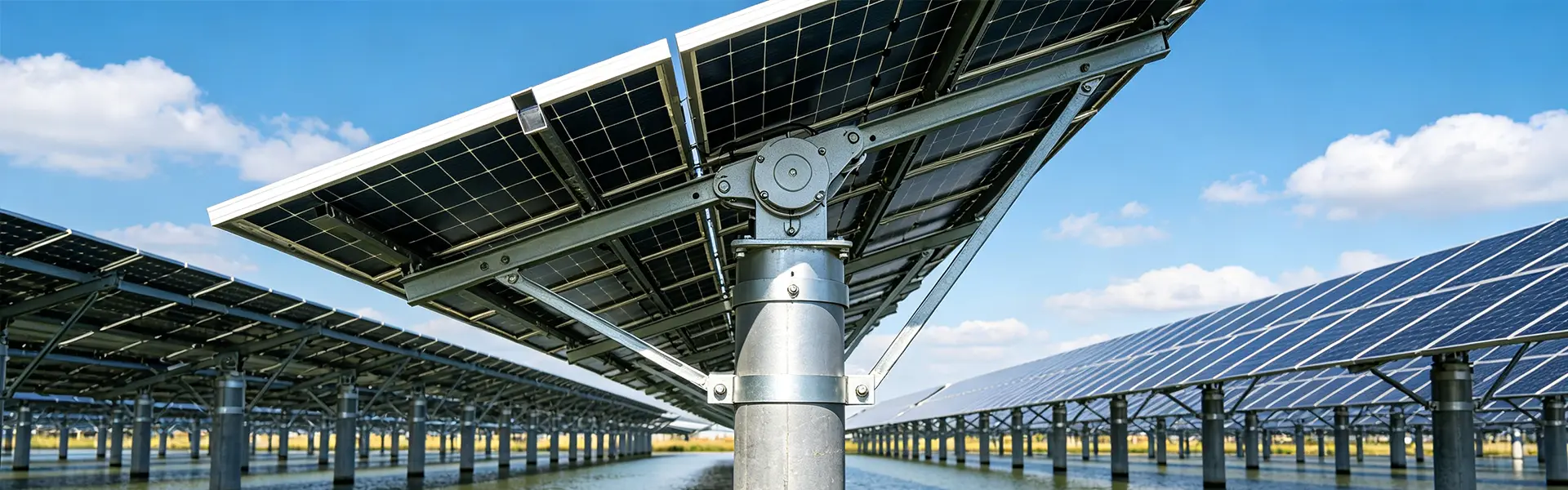
Baiyili New Energy is a China-based manufacturer and supplier of Flexible Photovoltaic Mounting Systems for solar projects requiring long-span structural layouts and adaptable support arrangements. Unlike conventional beam-and-post mounting structures, flexible PV supports use tensioned steel cables or strands as load-bearing members to support photovoltaic modules across wider spaces.
The structural configuration can include load-bearing cables, stabilizing cables, support columns, struts, anchor connections and module-fixing components. The arrangement is developed according to the required span, site conditions, module layout and structural loads.
These systems are considered for projects where terrain conditions, obstacles, land use or foundation constraints make conventional support layouts difficult to implement. Baiyili provides project-oriented structural solutions based on technical drawings and site requirements.
Different cable arrangements can be selected according to span, support conditions, structural stiffness and project requirements.
Photovoltaic modules are supported by tensioned load-bearing cables connected to the main support structure. The configuration has a relatively simple cable arrangement and can be considered for projects with suitable span and loading conditions.
Two levels of cable components are arranged to form a more developed supporting system. Additional structural members can help control deformation and improve overall stiffness when properly designed for the project loads.
Prestressed load-bearing cables work with stabilizing cables, stays or bracing components to establish the required structural geometry. Cable force, sag and support conditions are important design parameters.
Support spacing, cable arrangement, intermediate supports and anchoring details can be adjusted to suit project layouts. The final configuration depends on site geometry, obstacle locations and engineering calculations.
A cable-supported mounting structure relies on coordinated structural components. Each part has a defined role in carrying loads, maintaining cable geometry or connecting the modules.
Steel cables or strands support the module mounting arrangement and transfer loads to the main support structure.
Additional cable members help restrain structural movement and maintain the designed cable configuration.
Steel columns, intermediate supports and struts provide structural support and help manage cable forces.
Anchor assemblies and foundation connections transfer structural forces to the ground or supporting foundations.
Specialized clamps, connection plates and fittings secure cable intersections and structural interfaces.
Module clamps and supporting members connect photovoltaic modules to the cable-supported structure.
Flexible Photovoltaic Mounting Systems are particularly relevant to sites where large clear spans, uneven terrain or limited foundation locations need to be considered.
Can be considered for uneven terrain and selected mountain projects where conventional support layouts may require extensive ground adjustment.
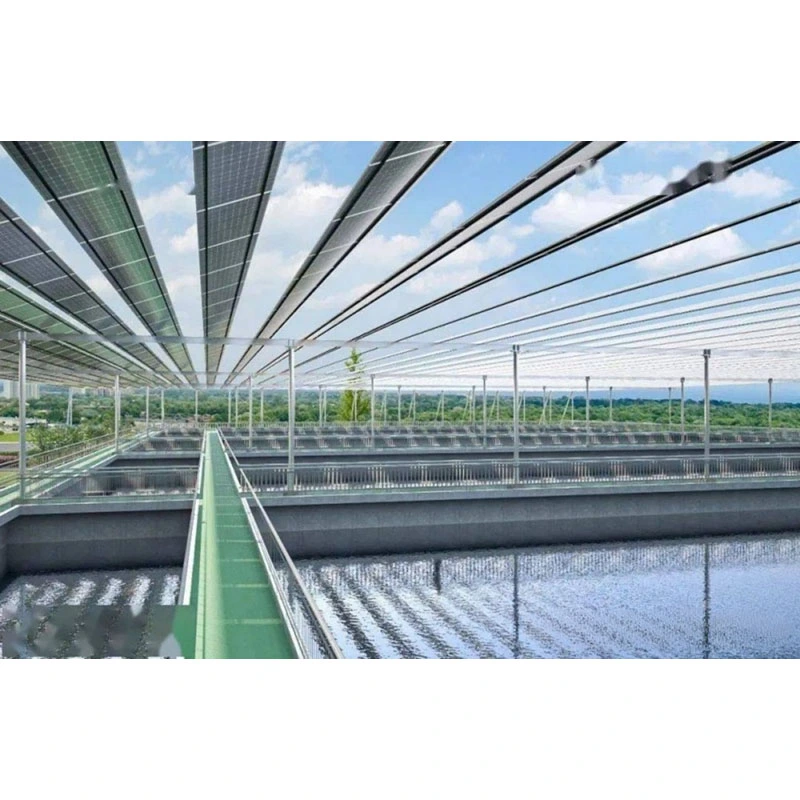
Suitable for evaluation in aquaculture areas where the support arrangement needs to span water surfaces while maintaining usable space below.
Can be designed for selected agricultural sites where the layout needs to account for land use, equipment access and clearance requirements.
Can span selected ditches, channels, roads and other obstacles where intermediate foundations or support positions are restricted.
The performance of a Flexible Photovoltaic Mounting System depends on the interaction between cable tension, structural geometry, support conditions and external loads. These factors should be evaluated together during project design.
Span length and cable sag influence structural geometry, stiffness and internal forces.
Initial cable tension and load combinations need to be considered in the structural design.
Local environmental loads and wind-induced cable movement require project-specific evaluation.
Anchor capacity, ground conditions and support reactions influence the foundation arrangement.
Module dimensions, row spacing, installation angle and required ground clearance affect the system geometry.
Cable materials, steel coatings and connection details should suit the site's exposure conditions.
Material selection depends on structural loads, component function, site exposure and the required corrosion protection.
Used for cable members where the specified tensile properties and corrosion protection are required.
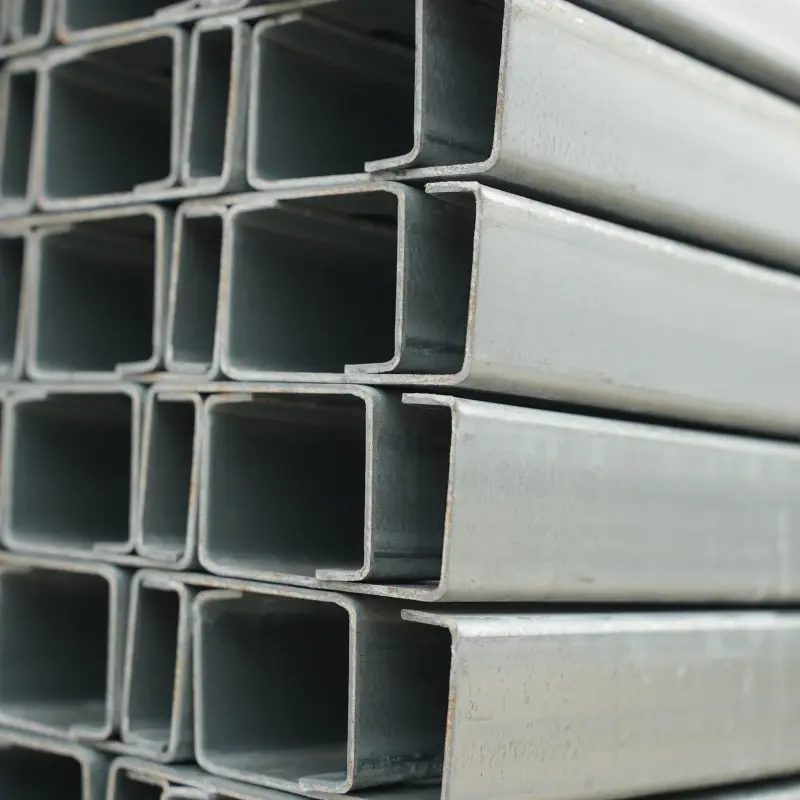
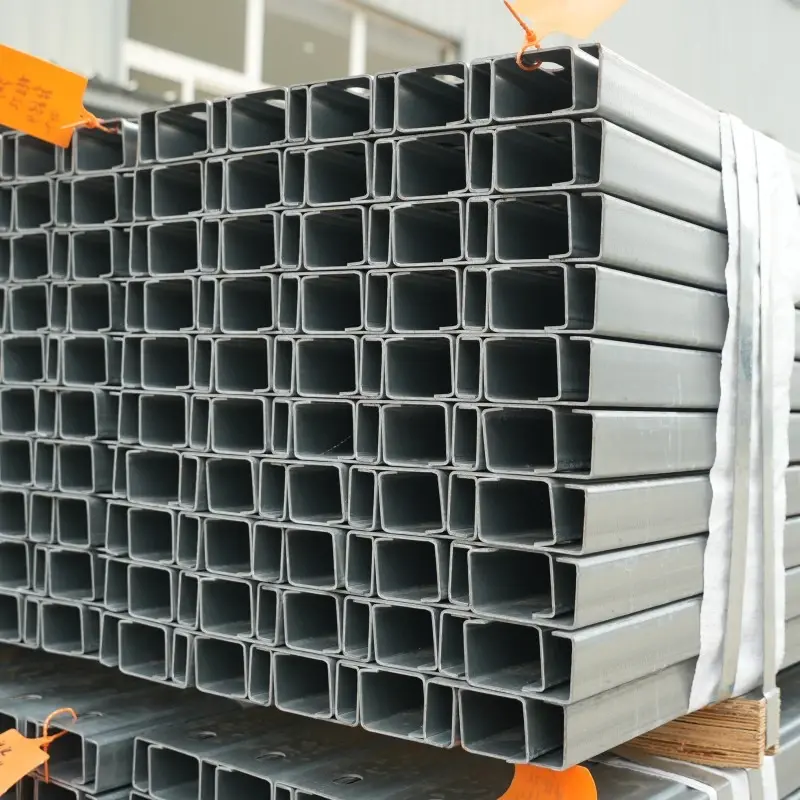
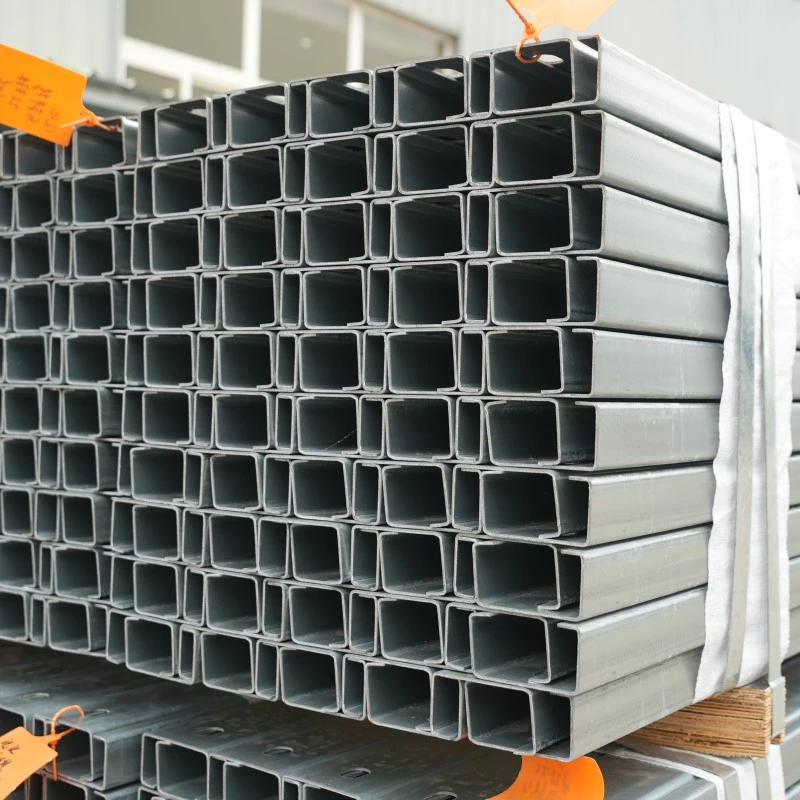
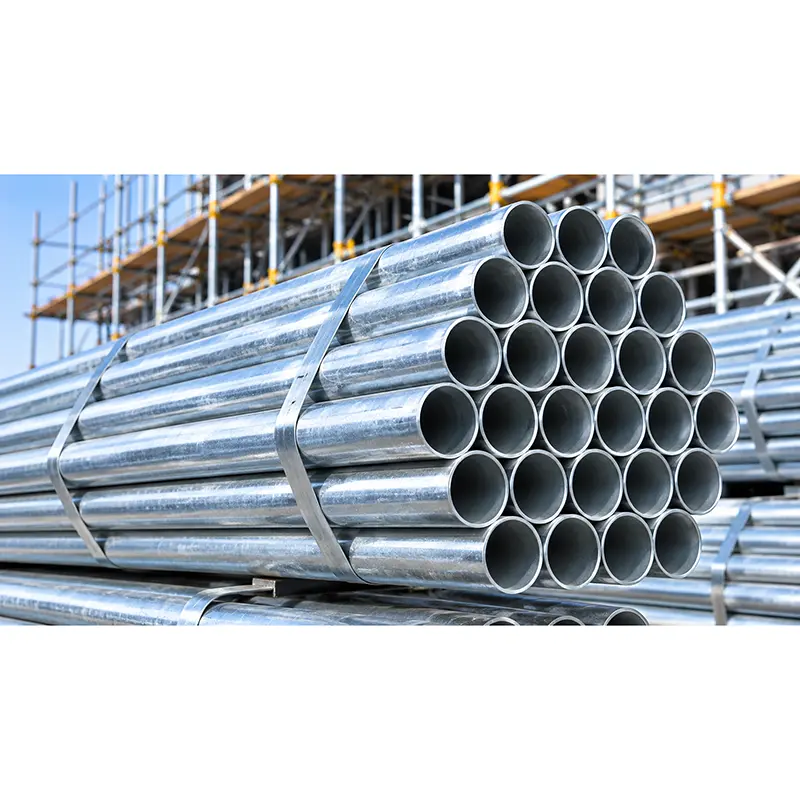
Steel sections can be used for columns, support frames, struts and connection components.
Connection materials and surface treatments are selected according to load requirements and environmental conditions.
Baiyili reviews project layouts and technical requirements to determine a suitable cable-supported structure. The following information helps establish the initial design scope:
It is a cable-supported PV structure that uses tensioned cables or strands, together with support frames and stabilizing components, to carry photovoltaic modules across a span.
A conventional fixed structure mainly uses rigid beams, posts and rails. A flexible structure relies on tensioned cables as key load-bearing members, allowing different span and support arrangements.
They can be considered for selected sloping or uneven sites. Feasibility depends on terrain geometry, support locations, foundation conditions and structural calculations.
They differ in cable arrangement and structural configuration. Double-layer systems add another level of cable support, which can be used to improve stiffness and control deformation when properly designed.
Span depends on cable properties, sag, prestress, support arrangement, module loads, wind and snow conditions, and allowable structural deformation. It must be confirmed through project-specific calculations.
Provide the site layout, terrain profile, required span, module specifications, ground clearance, local design loads, foundation information and preliminary drawings if available.
Planning a solar project involving long spans, uneven terrain or limited foundation locations? Send Baiyili your project layout, site conditions and technical requirements. Our team can review the structural scope and discuss a customized flexible mounting solution.
Request a Project Quotation