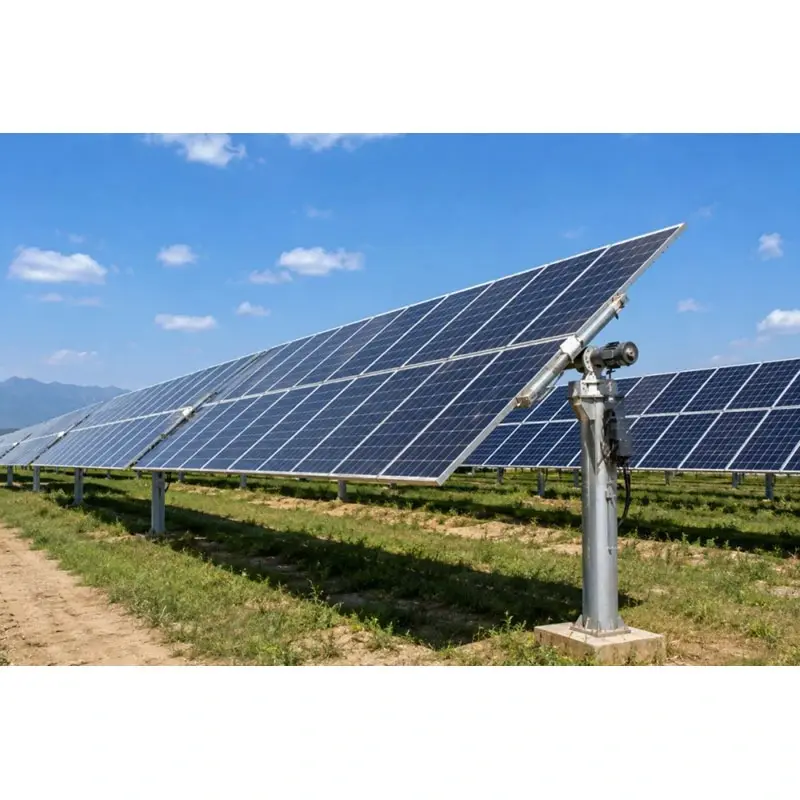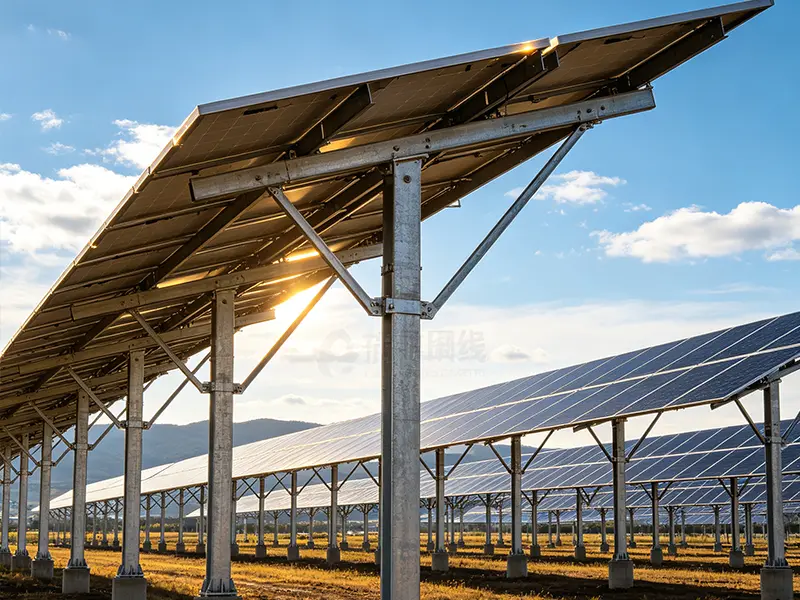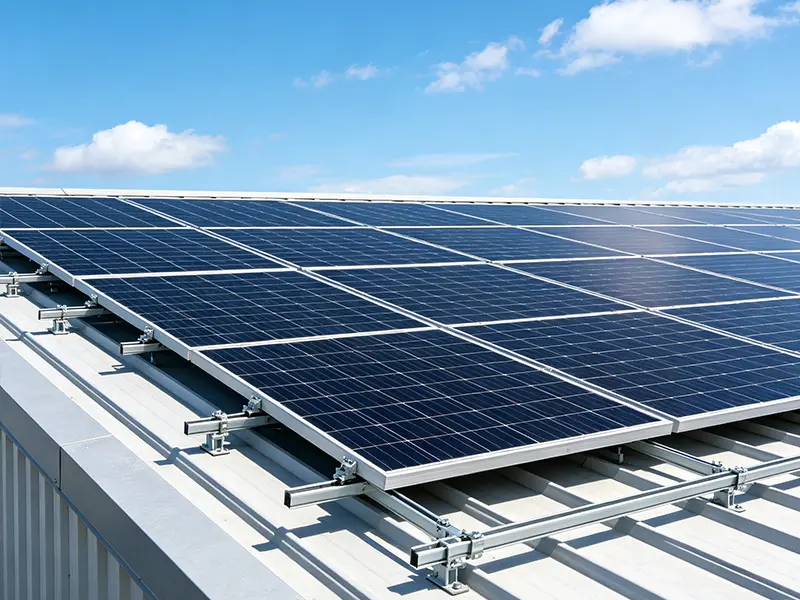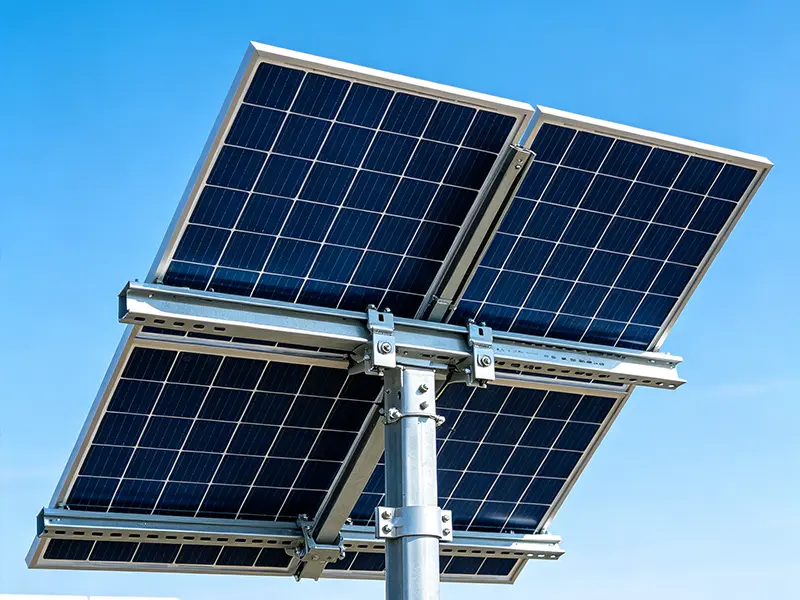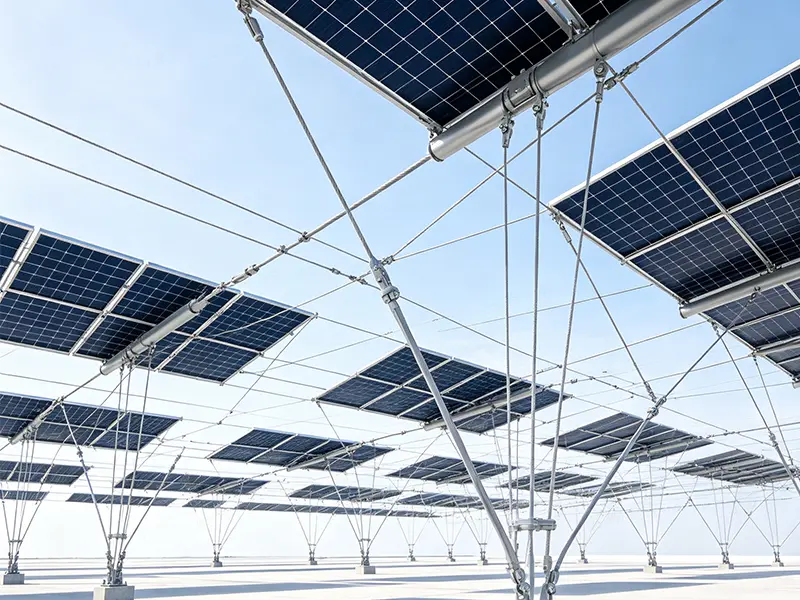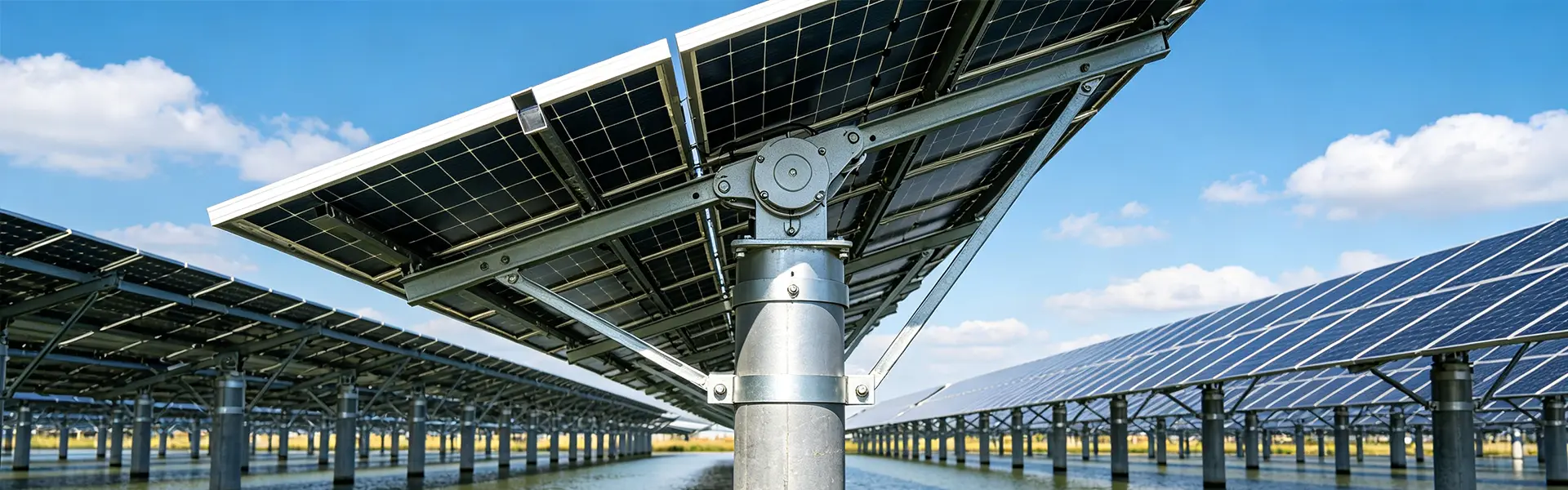
Baiyili's Adjustable Solar Mounting System is designed for photovoltaic installations that require an adjustable panel tilt rather than a single fixed angle. The structure uses telescopic support legs and positioning holes to set the mounting angle within the specified adjustment range.
The selected tilt angle can be determined according to the installation location, panel layout, roof geometry and project requirements. Material options include AL6005-T5 aluminum alloy and Zn-Al-Mg-coated steel, with corresponding surface treatment options. The mounting configuration and structural design should match the installation type and applicable wind and snow loads.
| Specification | Details |
|---|---|
| Product Name | Adjustable Solar Mounting System |
| Brand | Baiyili |
| Adjustment Range | 10°–60°, customizable |
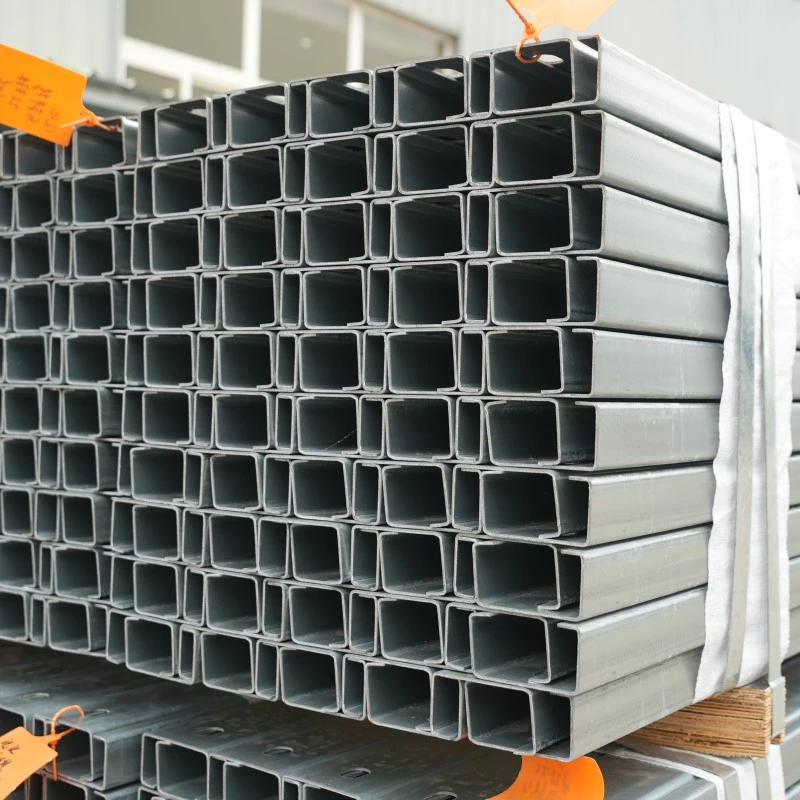
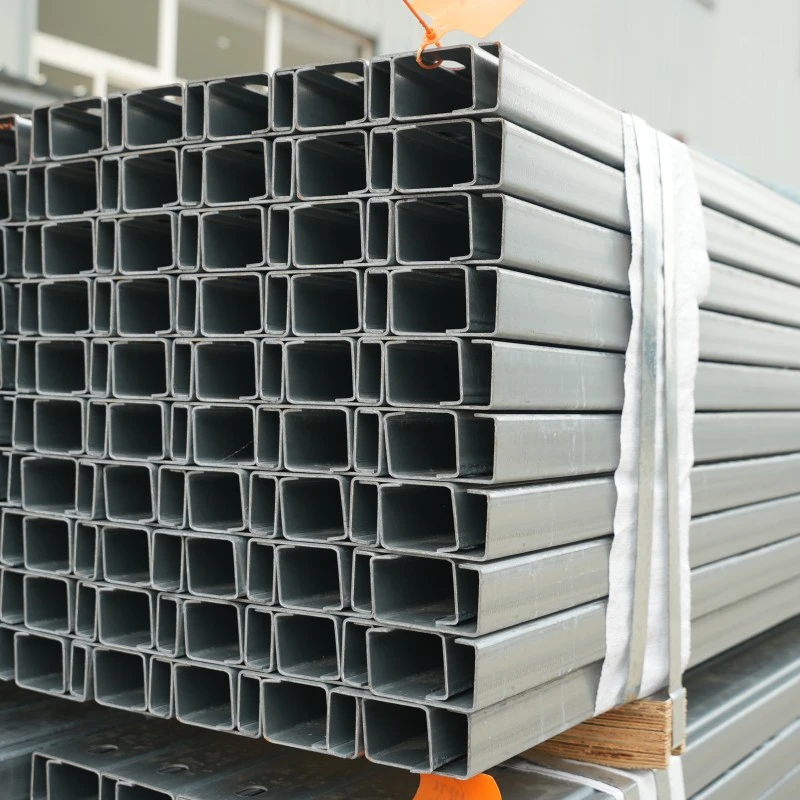
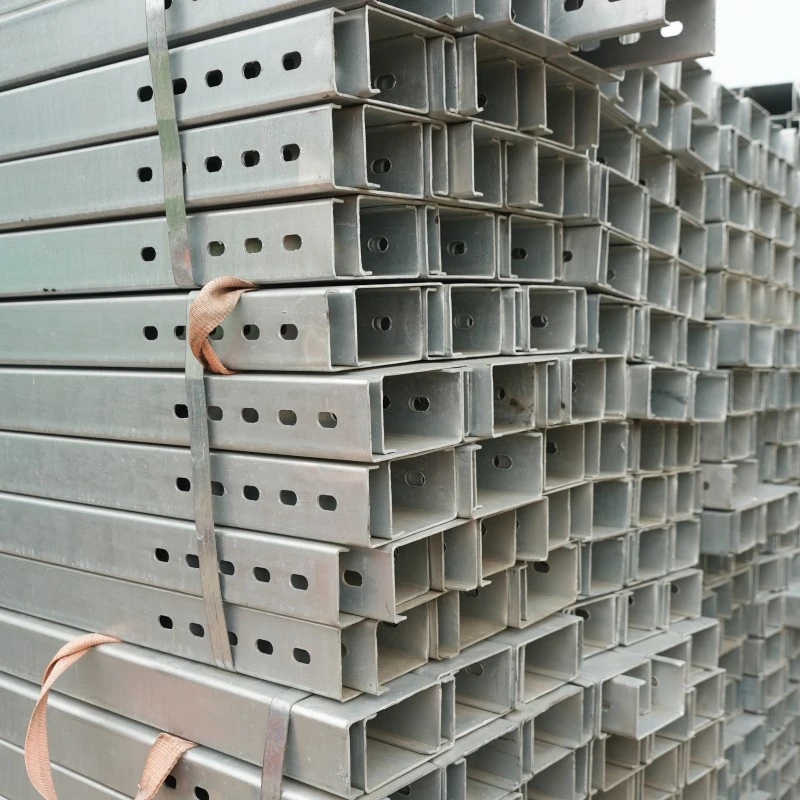
| Main Material | AL6005-T5 aluminum alloy / Zn-Al-Mg-coated steel |
| Surface Treatment | Anodizing / Zn-Al-Mg anti-corrosion coating |
| Adjustment Mechanism | Telescopic support legs and positioning holes |
| Applicable Installations | Concrete flat roofs, low-slope roofs and selected small ground-mounted PV projects |
| Mounting Options | Ballasted or non-penetrating configurations, according to the selected design |
| Structural Design | Wind and snow load requirements; other applicable project-specific loads |
| Customization | Adjustable angle range, dimensions and structural configuration |
The system offers a standard adjustable angle range of 10°–60°, with customized configurations available. This allows the panel mounting angle to be set according to project requirements and local solar conditions.
The potential effect on energy production depends on the installation location, panel orientation, shading and operating conditions.
The adjustable structure uses telescopic support legs and positioning holes to set the required tilt angle. The positioning mechanism helps secure the selected configuration during installation.
The adjustment range and locking arrangement should be matched to the specific mounting design.
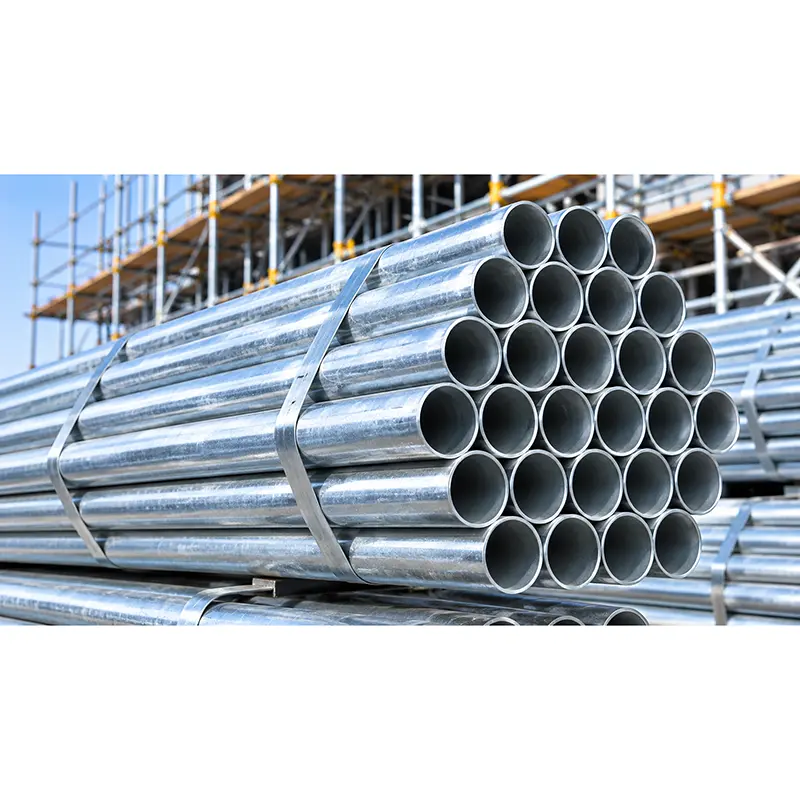
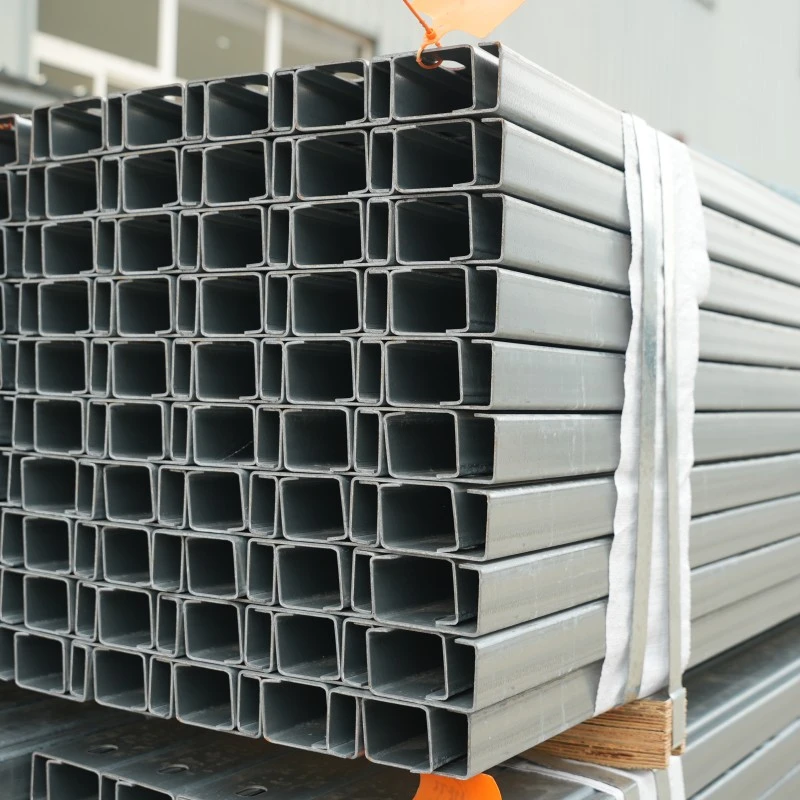
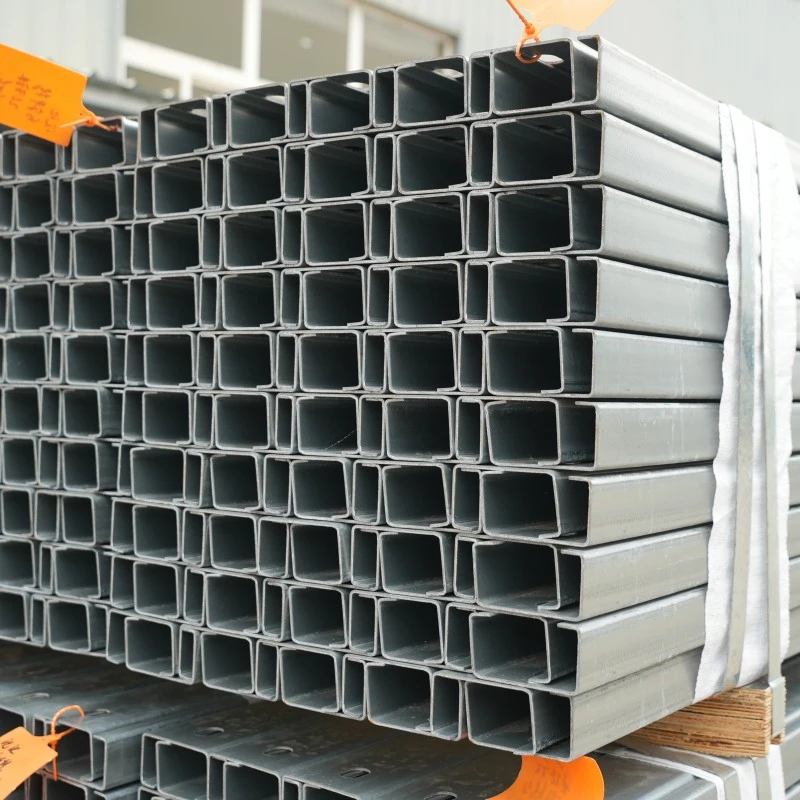
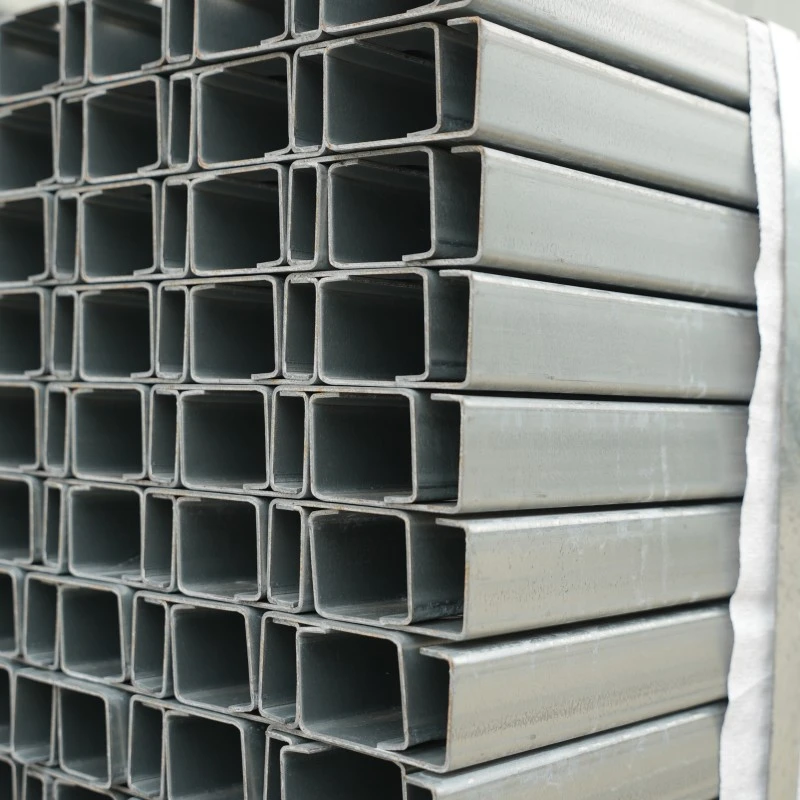
Baiyili offers two main material options:
The appropriate material depends on the structural design, environmental exposure and project requirements.
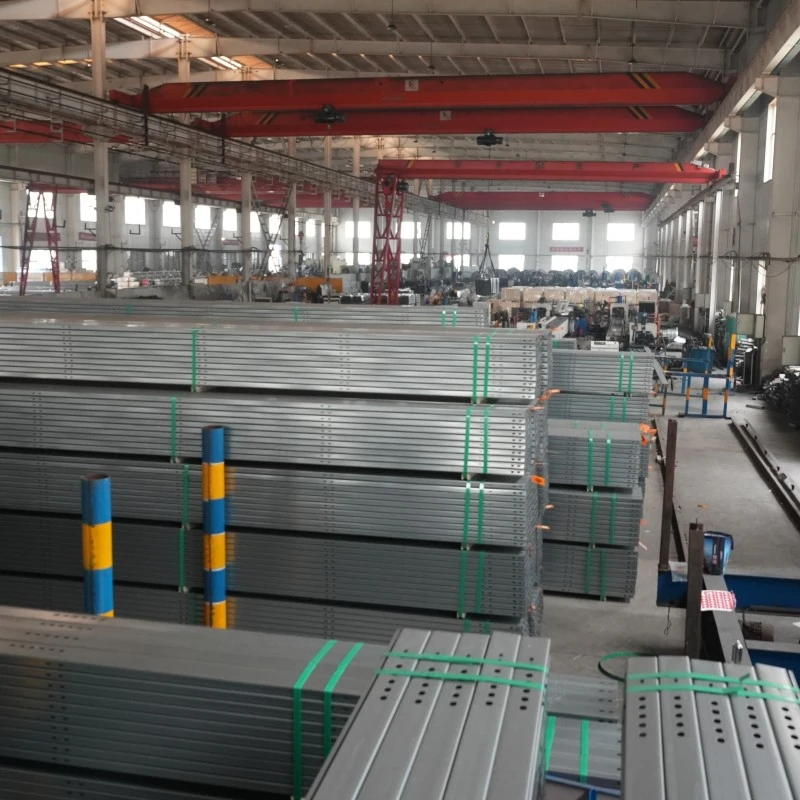
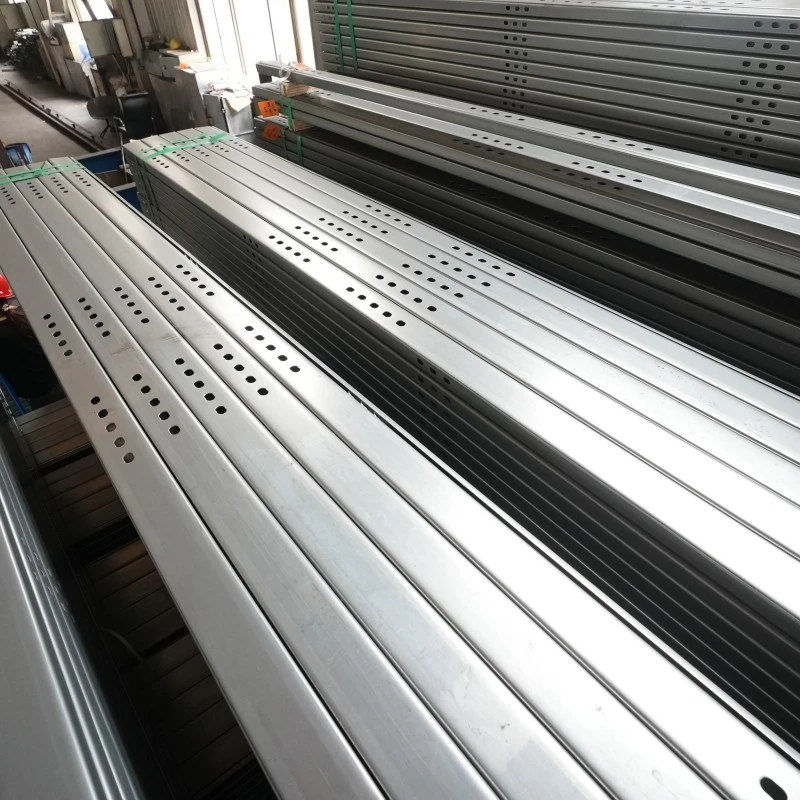
Factory-prepared components support on-site assembly and installation. The modular configuration can simplify component handling and installation planning, while the actual installation process depends on the selected mounting design and site conditions.
Wind loads, snow loads and other applicable structural requirements can be considered during project design. The support structure should be assessed against the relevant local design requirements and installation conditions.
The listed installation options include ballasted and non-penetrating mounting arrangements. The appropriate configuration depends on the roof structure, allowable roof loading, wind conditions and installation requirements. Ground-mounted projects require a mounting arrangement designed for the relevant site conditions.
An adjustable mounting structure can be used for suitable concrete flat-roof PV installations where the panel tilt needs to be set independently of the roof slope. Roof load capacity, wind exposure and the selected mounting method must be considered during installation planning.
For buildings with low-slope roofs, an adjustable structure can provide additional flexibility in setting the panel angle. Compatibility depends on roof geometry, mounting clearances and structural requirements.
Where an existing installation requires a change in panel tilt, an adjustable mounting structure may be considered as part of a renovation project. The existing support structure, panel layout and load capacity should be evaluated before modifications are made.
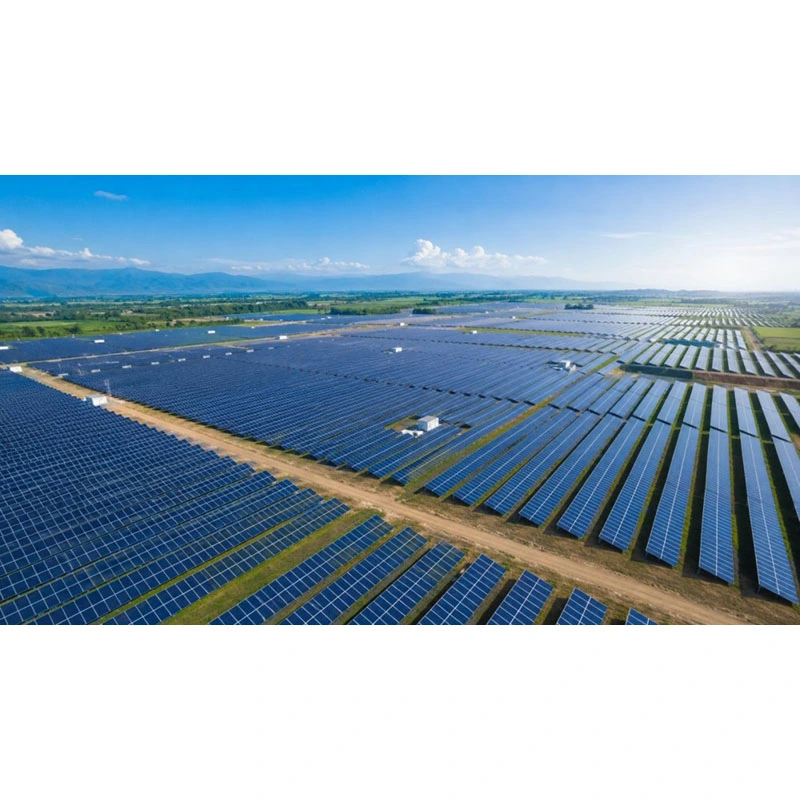
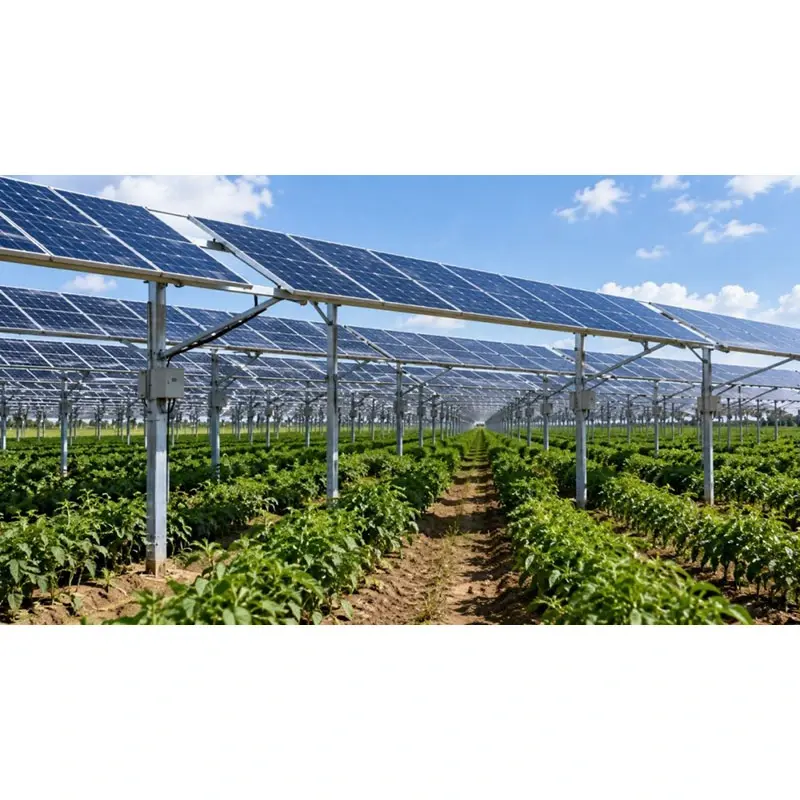
Adjustable support structures may also be used in selected small ground-mounted installations when configured for the relevant foundation, ground conditions and structural loads.
Before selecting a mounting configuration, consider the following factors.
Determine the required adjustment range according to the installation location, panel orientation and project objectives. A larger adjustment range is not automatically better; the usable range must be compatible with the structure and site conditions.
Identify whether the project involves a concrete flat roof, a low-slope roof or a ground-mounted installation. The mounting configuration must suit the installation surface and the applicable attachment or ballast requirements.
Provide the relevant site design conditions so the mounting structure can be assessed against the applicable wind and snow loads. Additional structural requirements may apply in specific locations.
Consider the installation environment when selecting aluminum alloy or Zn-Al-Mg-coated steel. Surface treatment and material specifications should correspond to the exposure conditions and project requirements.
Check panel dimensions, row spacing, mounting clearances and access to the adjustment mechanism. The selected configuration should allow installation and any planned angle adjustments without obstructing adjacent components.
Baiyili provides customization options for Adjustable Solar Mounting System projects. The design can be developed around the required tilt range, installation layout, material selection and structural configuration.
Customization may include:
Providing the roof type, panel layout, installation location and required tilt range helps establish the appropriate mounting design.
Baiyili's stated quality-control process covers incoming material inspection, structural fabrication checks, finished-product angle calibration and load testing.
These checks address material conformity, fabrication quality and the adjustment mechanism. Inspection records and applicable test documentation can support project evaluation where included in the supply scope.
The stated packaging method uses corner protection and stretch-film wrapping to help protect components against moisture and handling damage during transportation.
Available logistics options include domestic full-truck delivery and international full-container-load (FCL) or less-than-container-load (LCL) shipment.
Available project documentation may include material certificates, structural calculation reports and warranty documentation, according to the product configuration and agreed supply scope.
The listed adjustment range is 10°–60°. Customized angle ranges may be available according to the mounting design and project requirements.
Not necessarily. The effect on energy production depends on the installation location, panel orientation, shading, seasonal conditions and system design. A project-specific assessment is needed to estimate potential gains.
The listed options are AL6005-T5 aluminum alloy with an anodized finish and Zn-Al-Mg-coated steel. The selection should reflect the structural design and installation environment.
No. Suitability depends on roof load capacity, wind exposure, mounting method, panel layout and the structural requirements of the project.
Customization options include the adjustment range, dimensions, material selection and structural configuration. Project information helps determine the appropriate arrangement.
Selected small ground-mounted projects may be suitable if the mounting structure is designed for the relevant foundation, site conditions and structural loads.
These documents are listed as available project documentation. Their availability and scope should be agreed as part of the specific supply arrangement.
Share your installation location, roof or ground conditions, panel layout and required tilt range with Baiyili to discuss a suitable Adjustable Solar Mounting System configuration for your photovoltaic project.
Address
Cai Gongzhuang Industrial Zone, Jinghai District, Tianjin, China
Tel