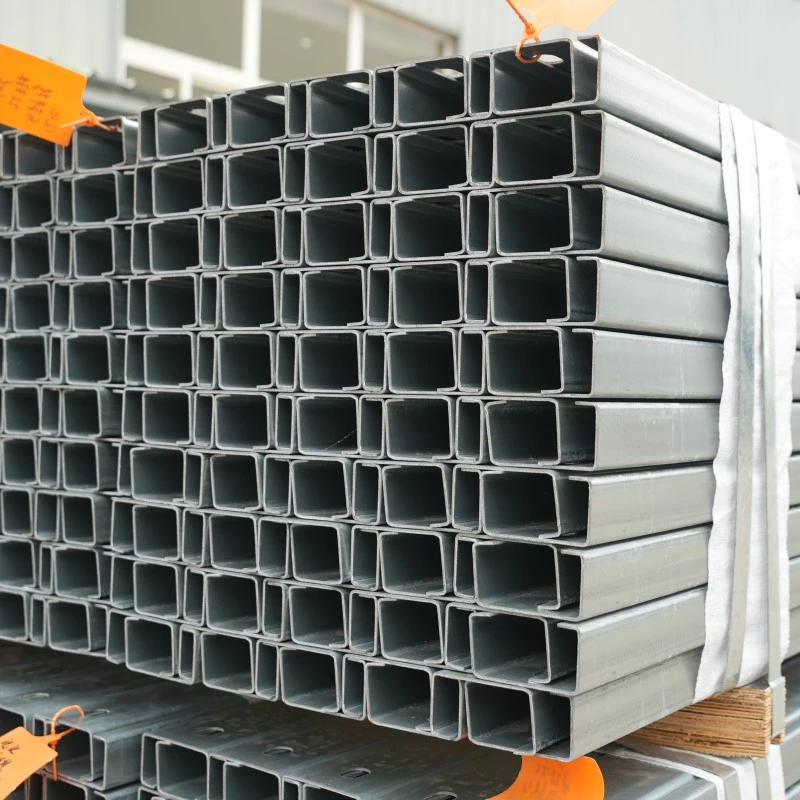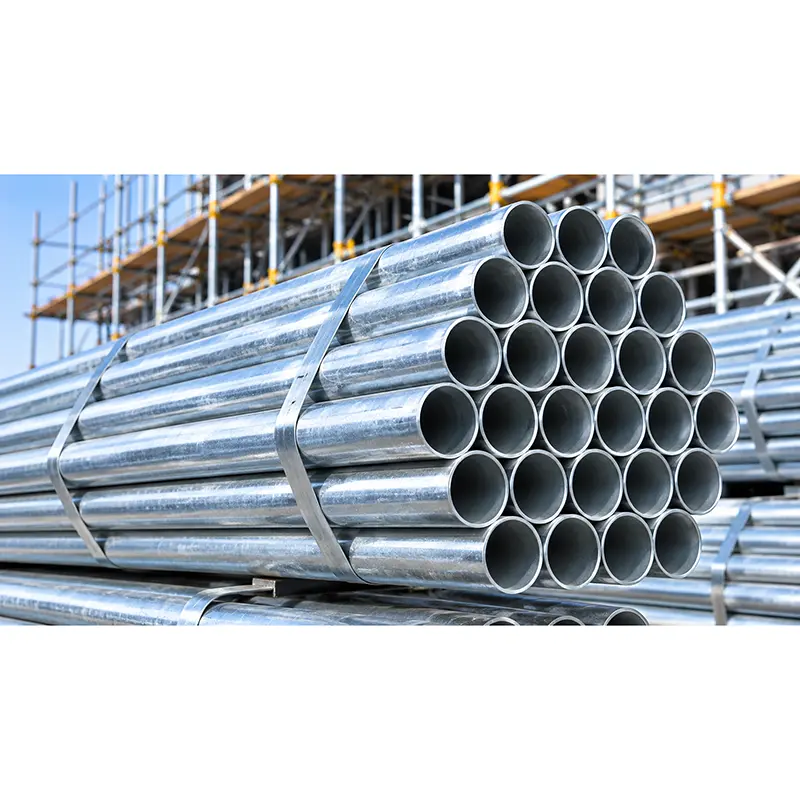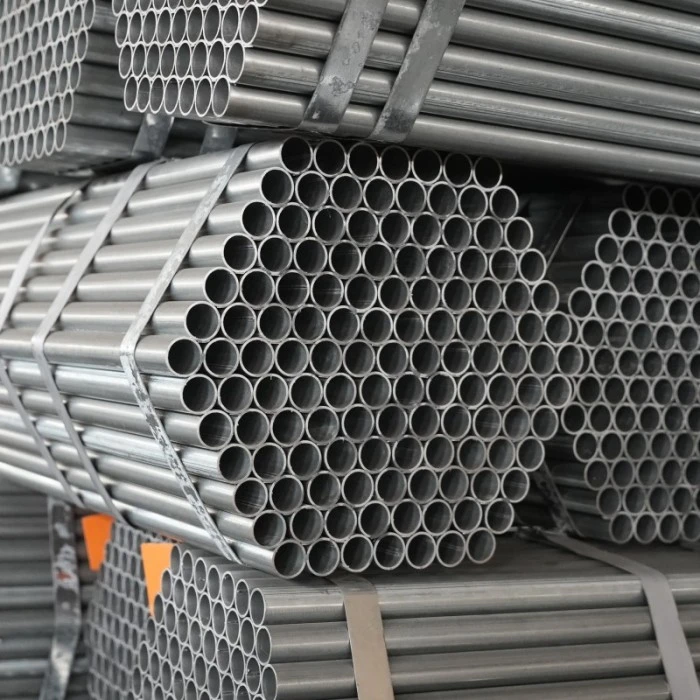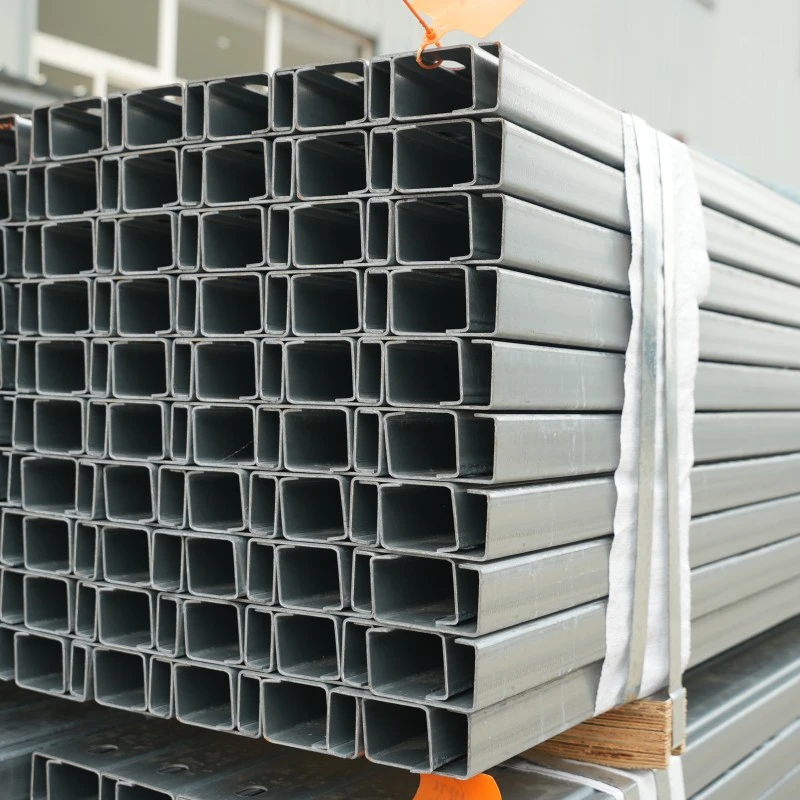
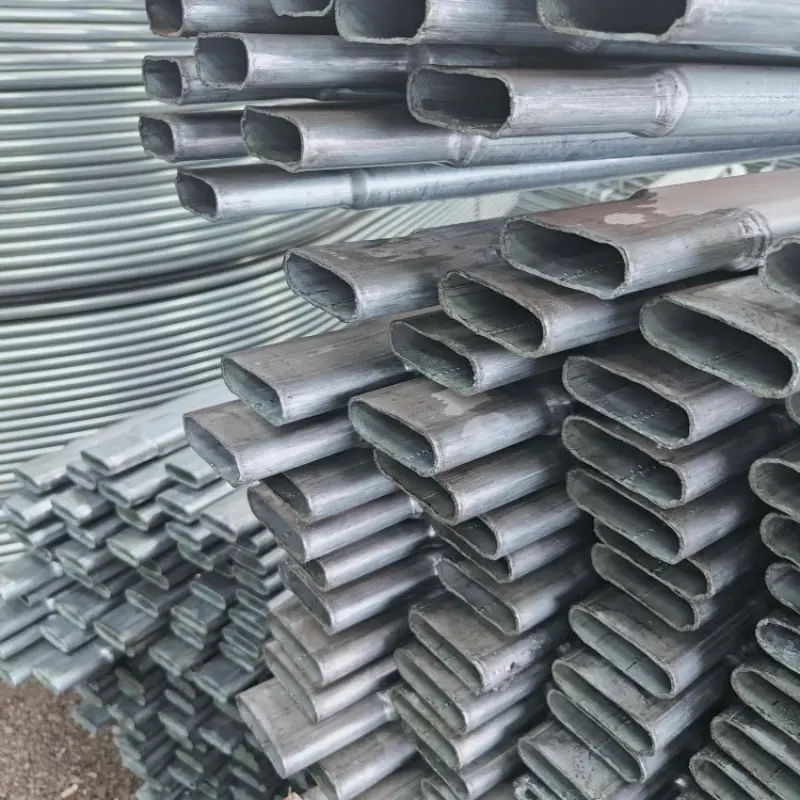
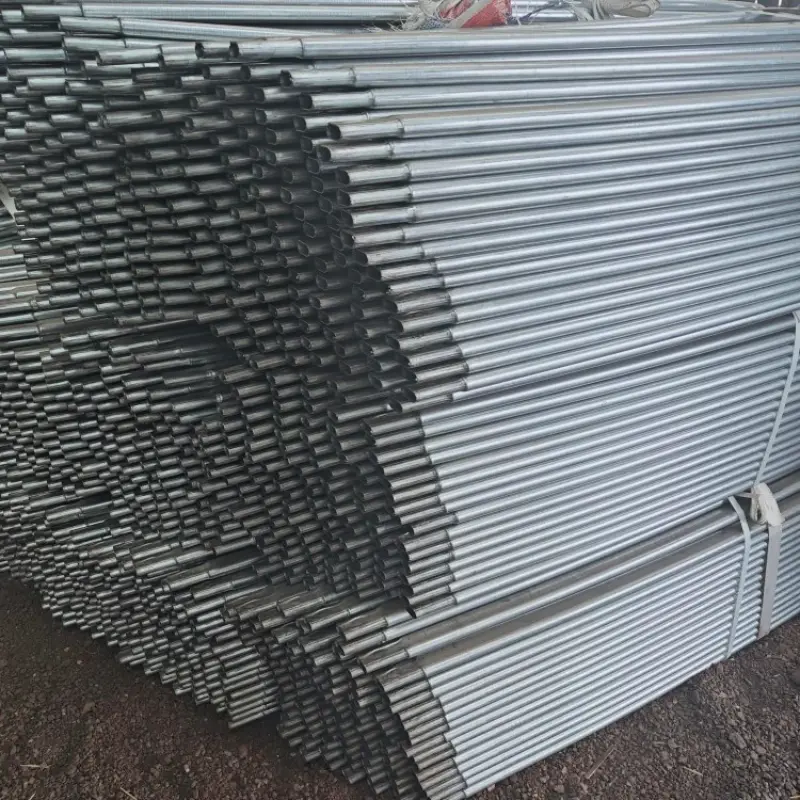
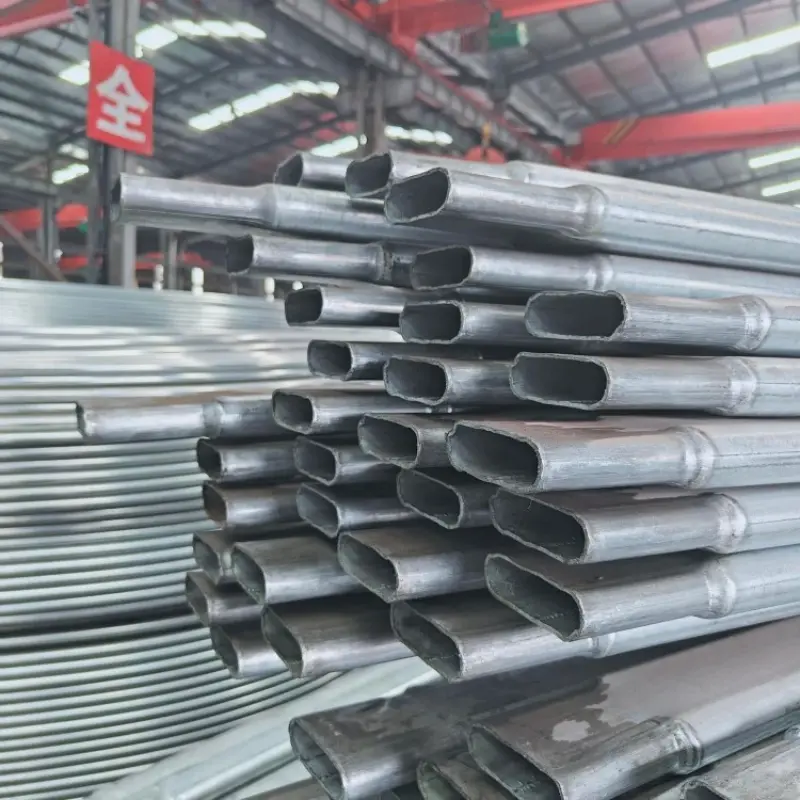
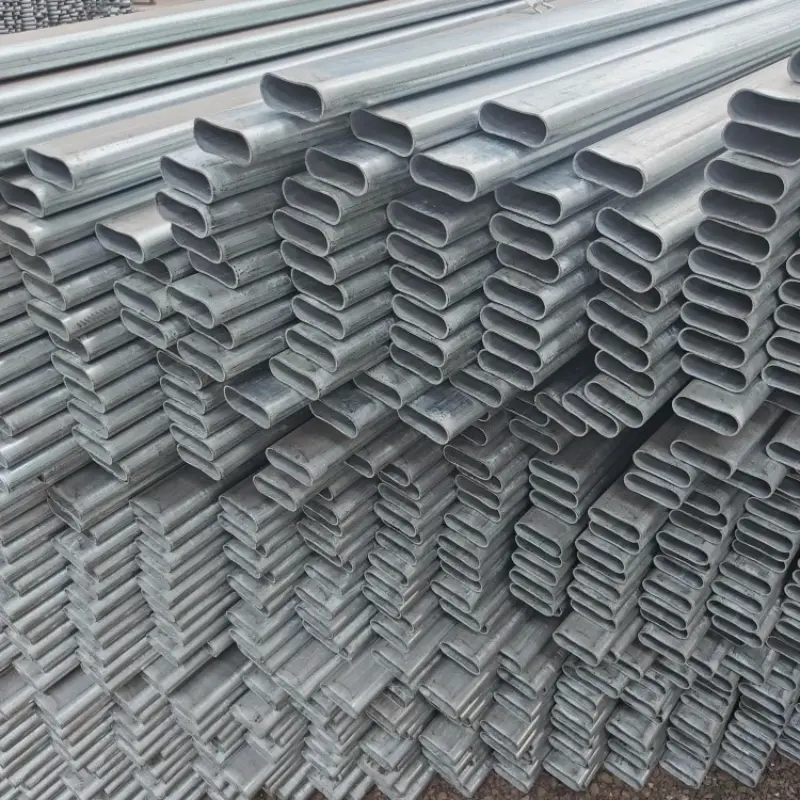
High humidity, frequent irrigation and fertilizer residues can accelerate corrosion in greenhouse structures. Greenhouse Pipe from Baiyili New Energy uses a hot-dip galvanized carbon-steel base to help slow rust formation in agricultural environments.
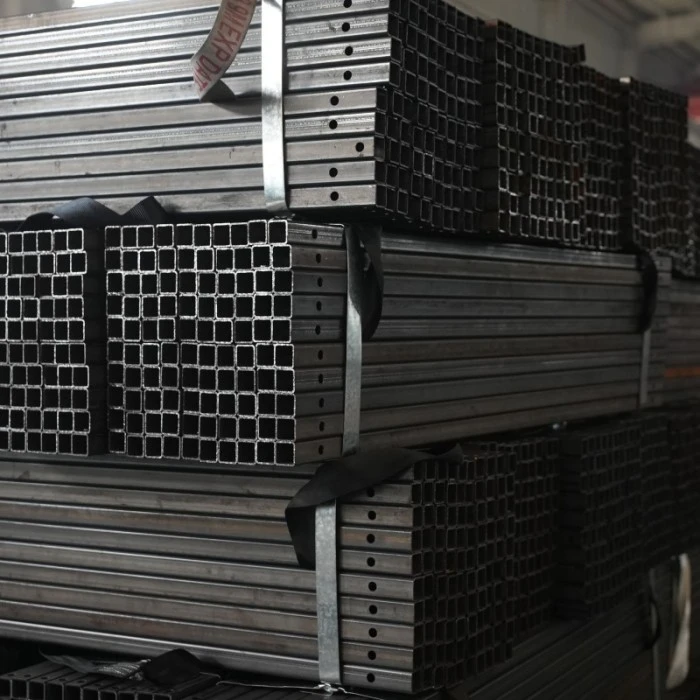
Available options cover different outside diameters, wall thicknesses and pipe lengths for greenhouse framing projects. Depending on the design, the tubing can be used as arches, columns, horizontal supports or tie members. Cold-bending, cutting, drilling and punching can also be discussed according to the required dimensions and drawings.
As a China manufacturer and supplier of greenhouse pipe products, Baiyili New Energy supports specification selection and custom processing for agricultural structures. The appropriate pipe size and material should be selected according to the greenhouse span, connection arrangement, local wind and snow loads, and intended operating environment.
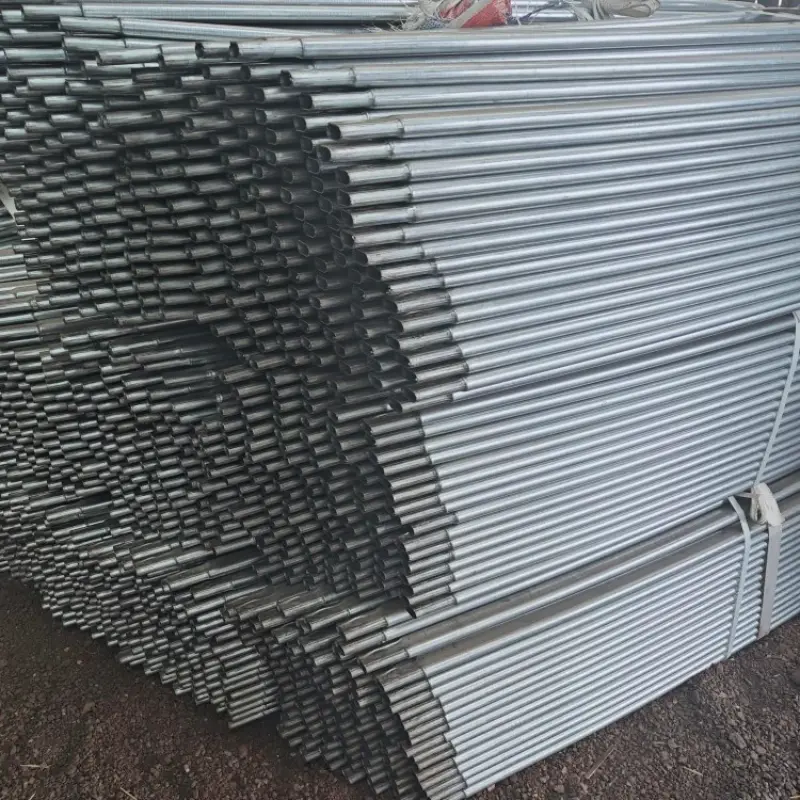
Greenhouse Pipe is manufactured from carbon-steel welded tubing. Q195 and Q235B are listed material options, while Q355B may be considered for projects requiring higher material strength.
The appropriate grade depends on the structural design and load requirements. Pipe grade alone does not determine the load-bearing capacity of the completed greenhouse frame; outside diameter, wall thickness, span, connections and support conditions also matter.
Hot-dip galvanizing applies a zinc coating to the steel surface to help protect it against corrosion. The coating acts as a barrier between the steel substrate and the surrounding environment. Where the coating is locally damaged, zinc can also provide sacrificial protection to exposed steel under suitable conditions.
The manufacturing process generally includes:
Coating thickness and surface condition should match the agreed product specification. In highly corrosive environments, including some livestock facilities and coastal agricultural sites, additional corrosion-protection measures may be necessary.
The hot-dip galvanized coating helps slow corrosion caused by moisture and other environmental exposure inside greenhouses. The actual protection level depends on coating thickness, coating condition, local climate, fertilizer residues and maintenance practices.
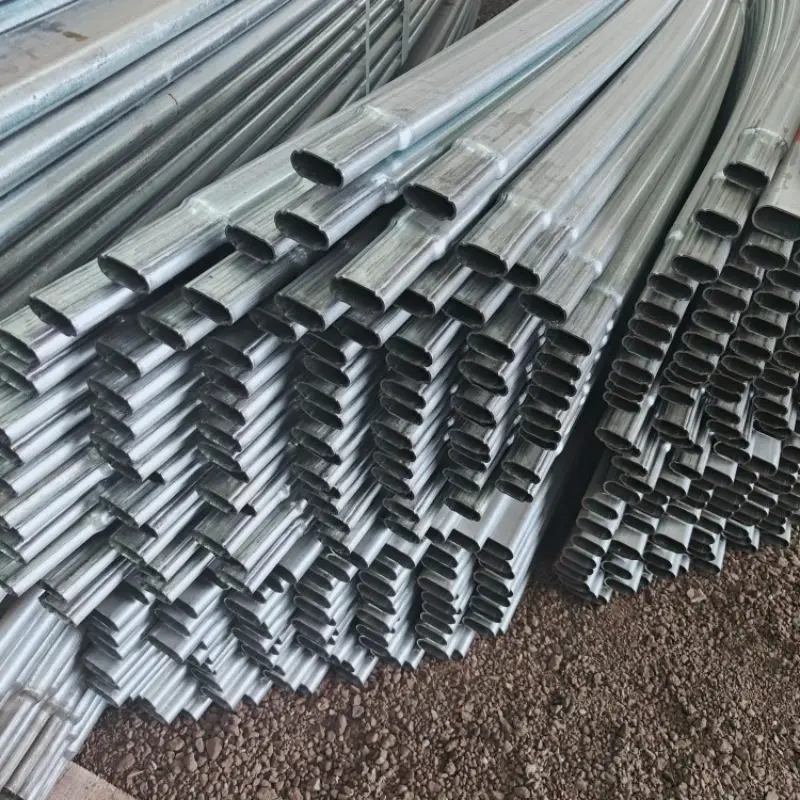
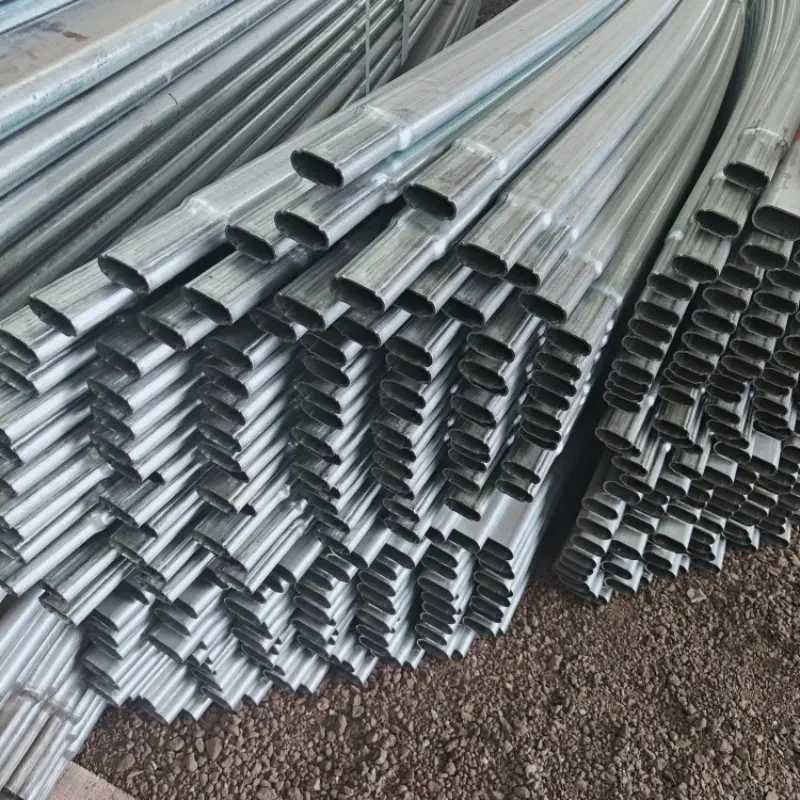
Depending on the pipe dimensions, material and bending radius, the tubing can be processed into curved sections for greenhouse arches. Bending conditions should be evaluated to reduce the risk of coating damage or deformation.
Different outside diameters, wall thicknesses and steel grades can be specified for different frame layouts. The final configuration should be calculated or approved for the intended greenhouse span, wind loads, snow loads and other relevant structural requirements.
Greenhouse Pipe can be incorporated into frame assemblies using suitable connectors, film-retaining channels, base supports and other accessories. Compatibility depends on the pipe dimensions, connection design and accessory specifications.
Common diameters, wall thicknesses and factory lengths are available as listed in the specification table. Cut-to-length supply and secondary processing can be discussed for projects that require specific dimensions.
Cold-bending, cutting, drilling and punching can be arranged according to technical requirements. Providing drawings and processing details before ordering helps establish the required dimensions and fabrication method.
| Item | Specification |
|---|---|
| Product Name | Greenhouse Pipe |
| Alternative Description | Hot-Dip Galvanized Agricultural Greenhouse Tube |
| Base Material | Q195, Q235B; Q355B option for selected structural requirements |
| Pipe Type | Carbon-steel welded pipe |
| Corrosion Protection | Hot-dip galvanizing |
| Common Zinc-Coating Thickness | 60–100 μm |
| Higher-Coating Option | ≥120 μm, customizable |
| Common Outside Diameters | 22 mm, 25 mm, 32 mm, 42 mm, 48 mm, 60 mm |
| Wall Thickness | 1.2–3.0 mm |
| Standard Factory Lengths | 6 m, 8 m, 12 m |
| Length Customization | Cut-to-length options |
| Secondary Processing | Cold-bending, cutting, drilling and punching, subject to technical evaluation |
| Typical Applications | Single-span greenhouses, multi-span greenhouses, sunlight greenhouses and selected agrivoltaic greenhouse structures |
The listed sizes are product options rather than a universal structural specification. Confirm the required steel grade, dimensions, zinc-coating thickness, tolerances and processing details in the order specification.
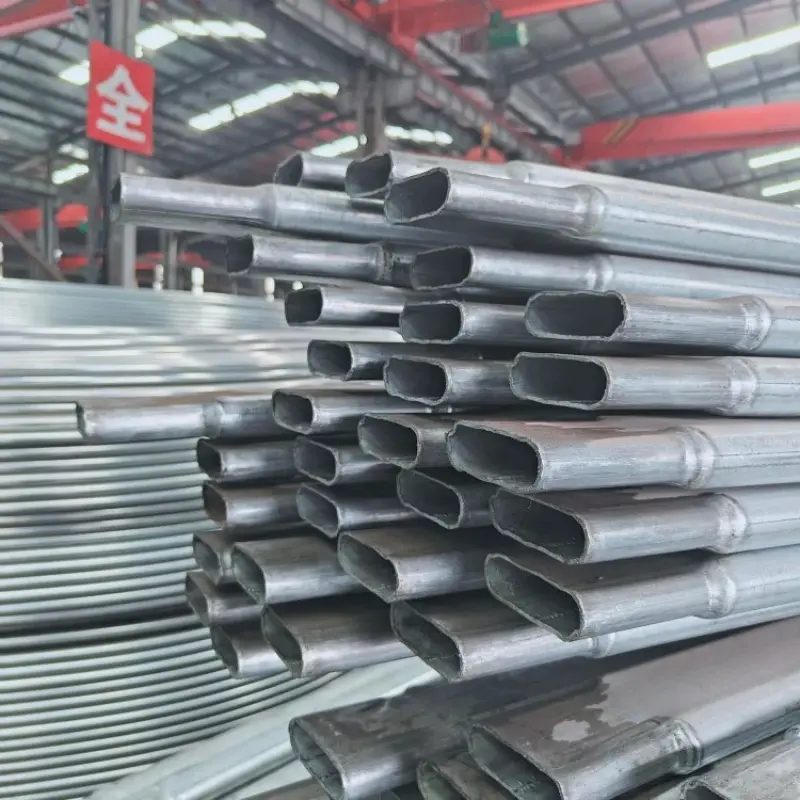
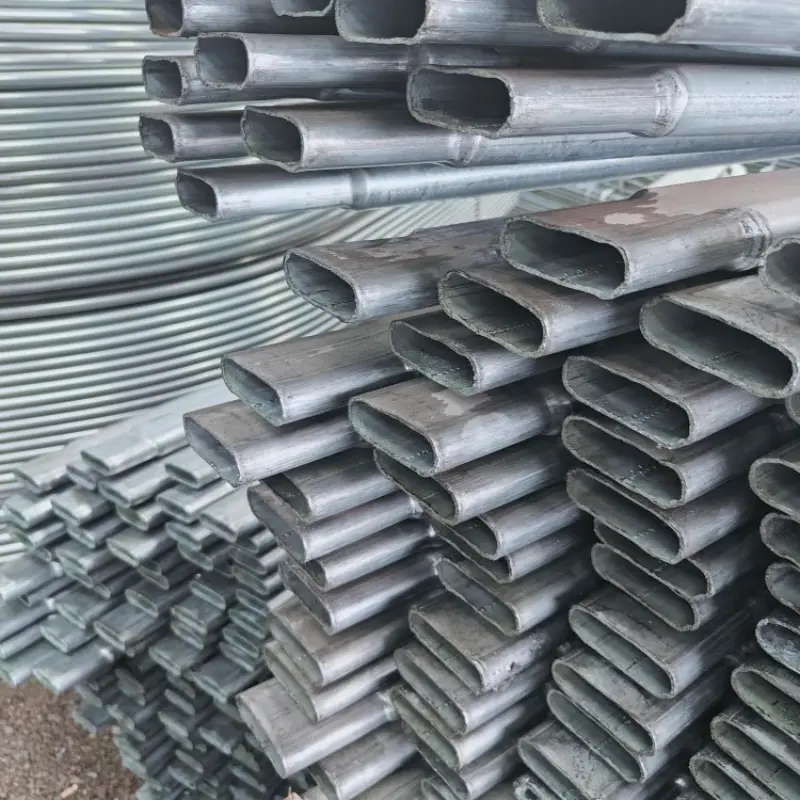
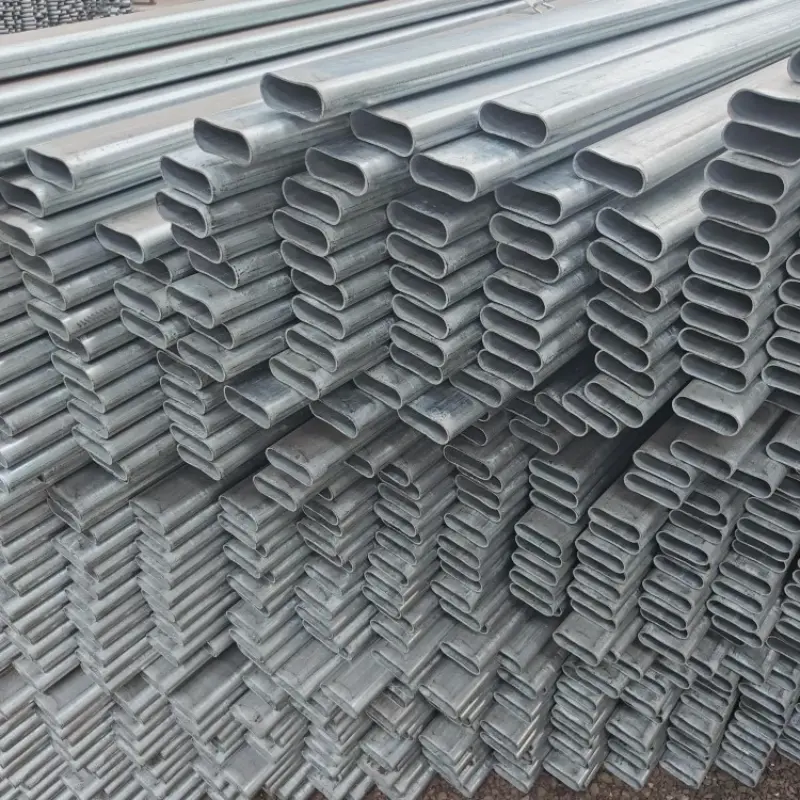
Greenhouse Pipe can be used for the arches, columns and connecting members of plastic greenhouses and sunlight greenhouses for crops such as tomatoes, cucumbers and berries. Pipe selection should reflect the greenhouse dimensions and local weather loads.
For larger agricultural structures, pipe components can form part of a frame system supporting the greenhouse covering, internal fittings and associated equipment. The structural arrangement should be based on the engineering design.
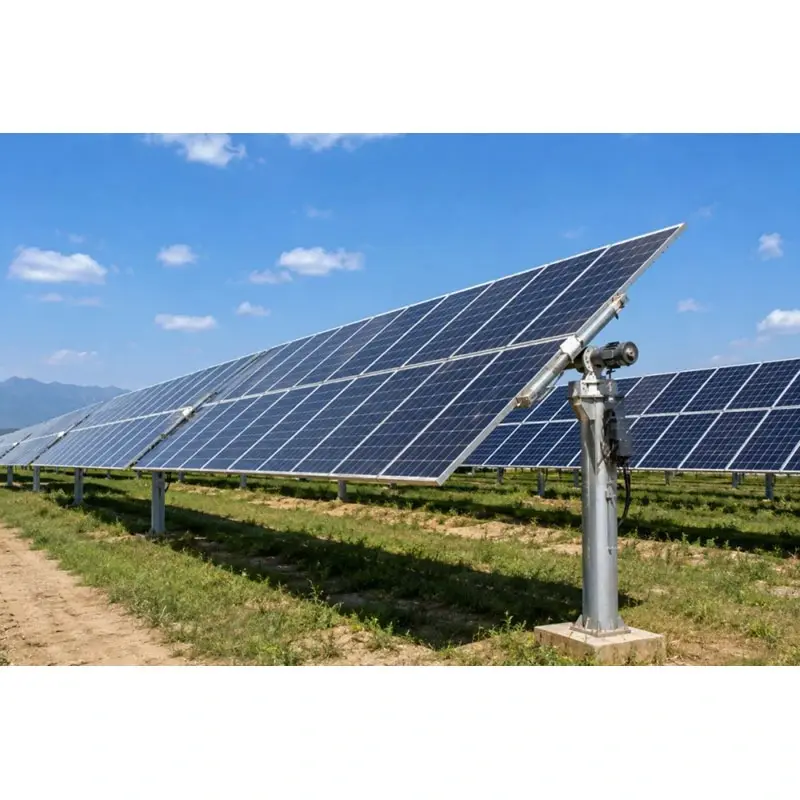
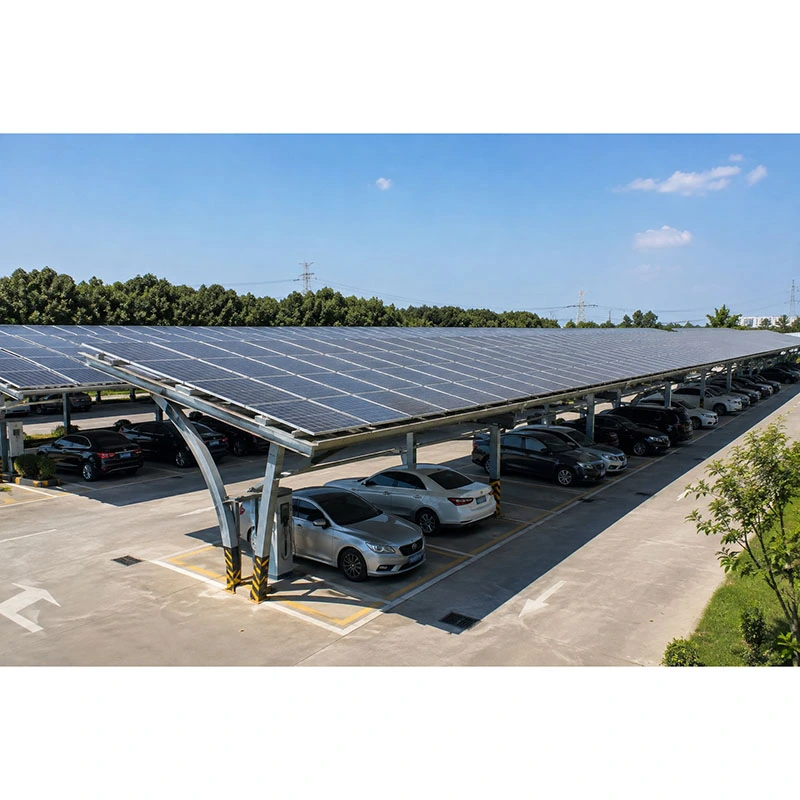
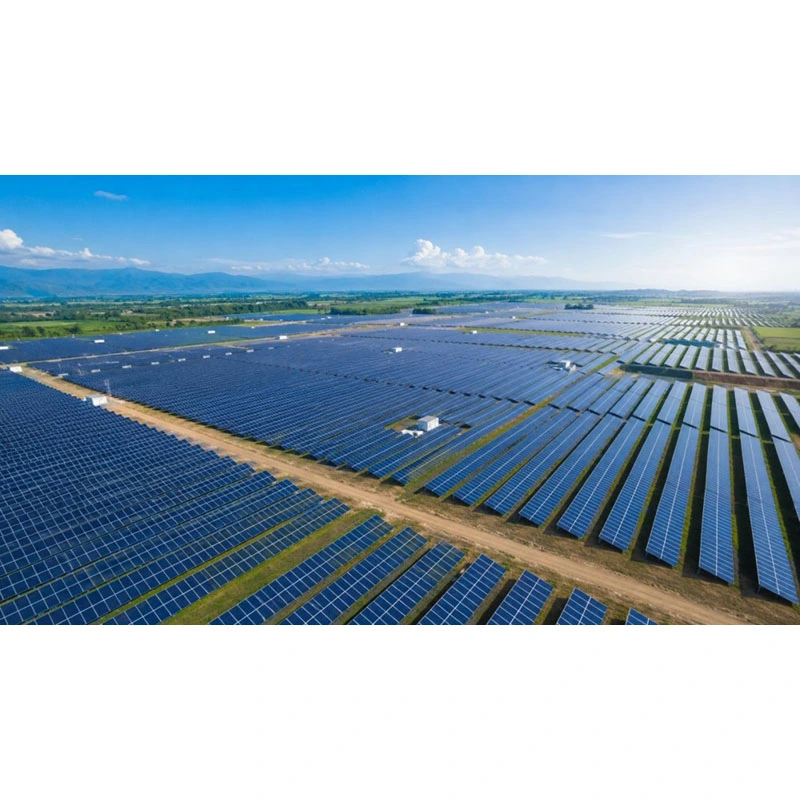
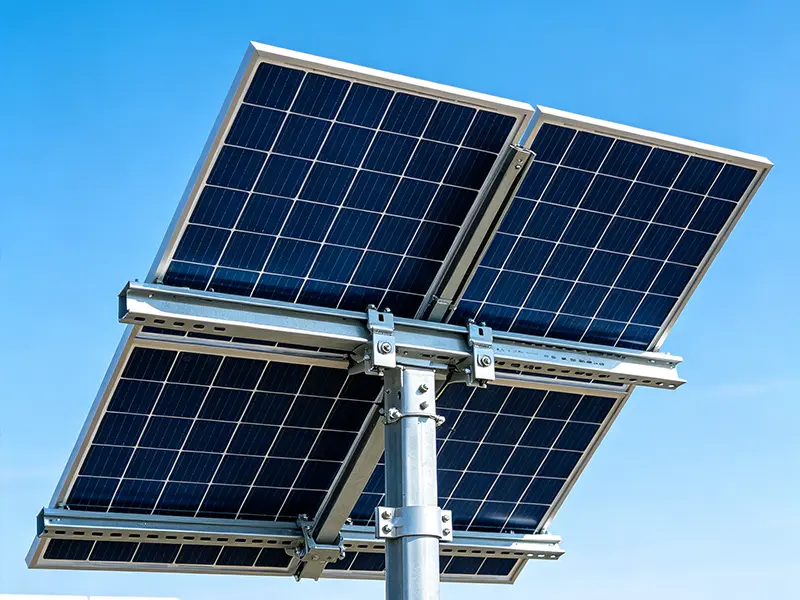
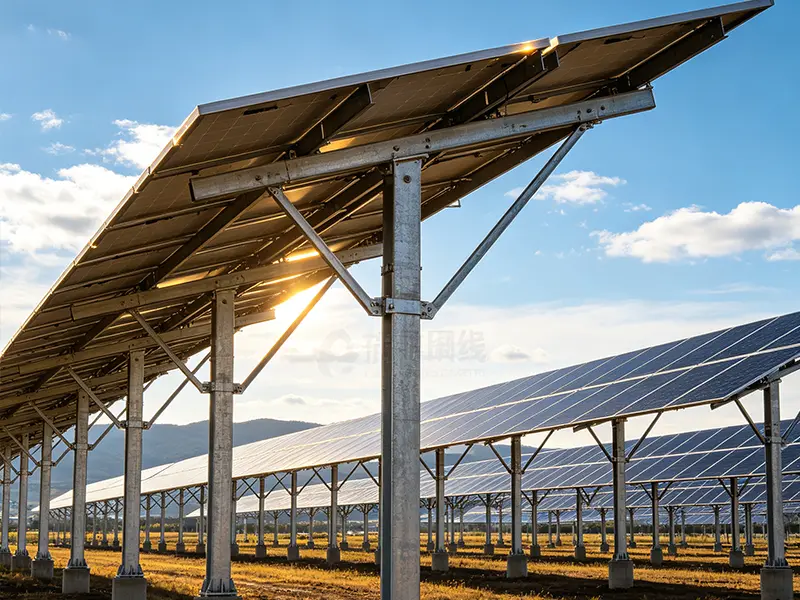
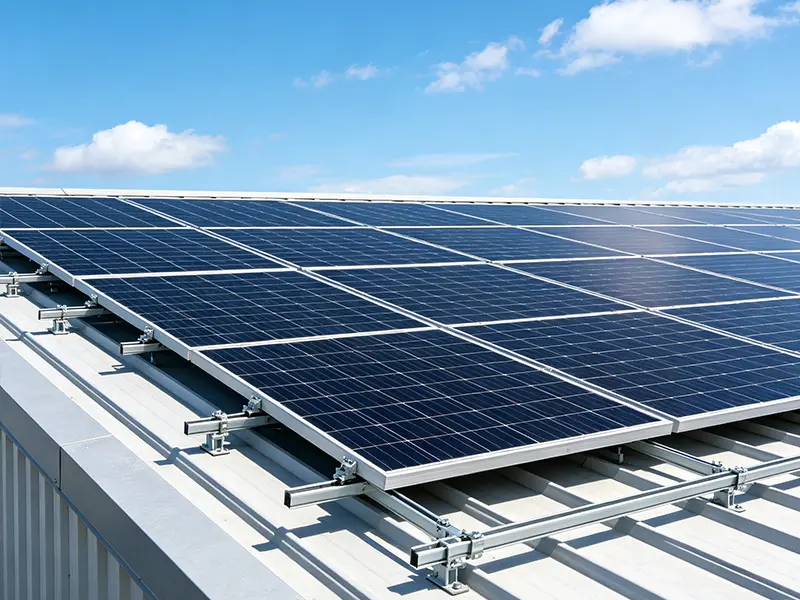
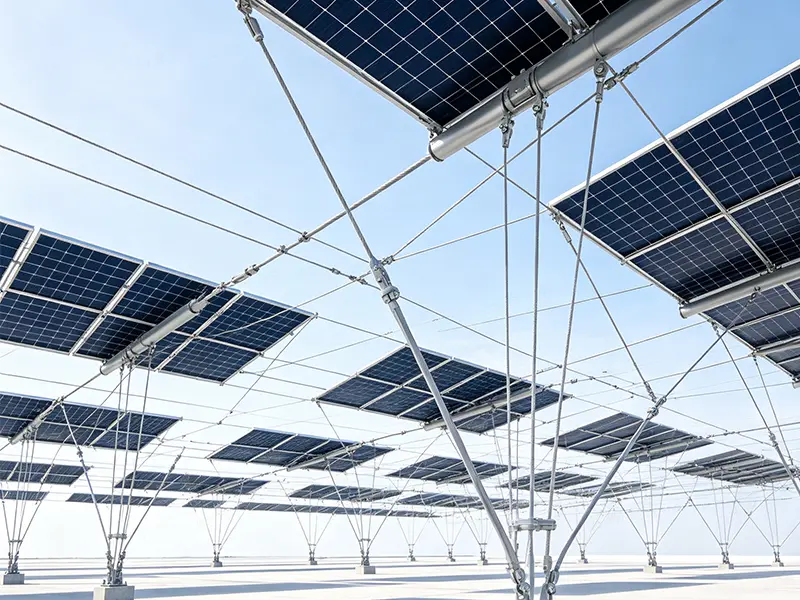
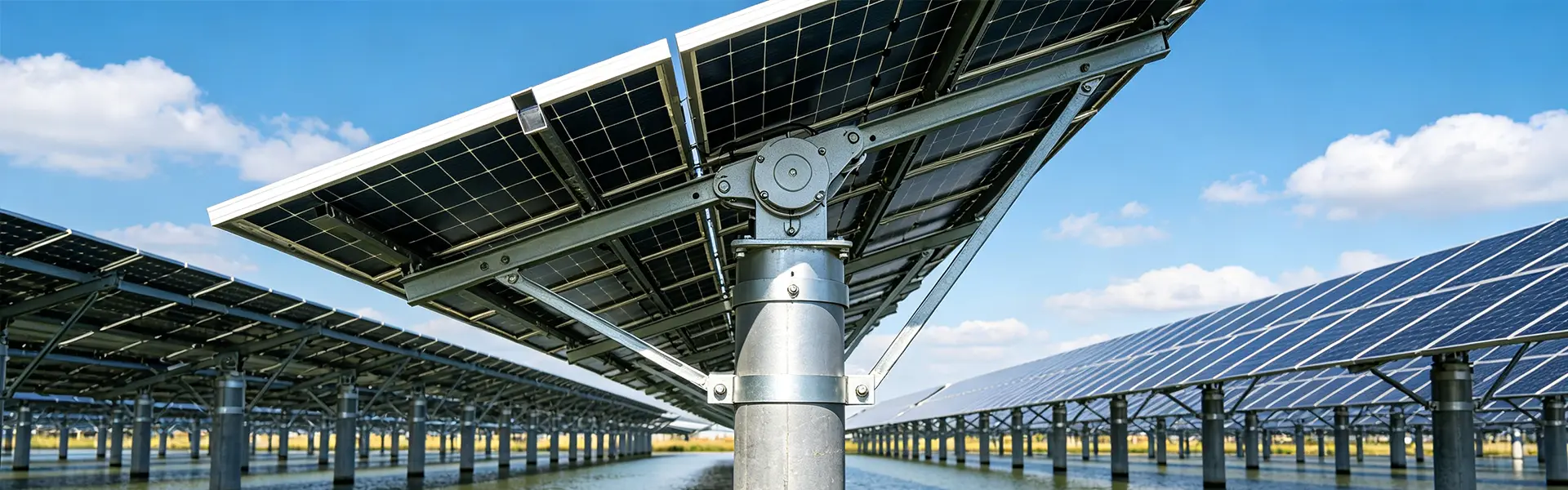
Greenhouse Pipe can serve as part of the agricultural greenhouse framework in projects that combine crop production with photovoltaic installations. Components that support PV modules and carry solar-system loads must be separately designed and verified for those loads.
Galvanized pipe may be considered for selected livestock and poultry shelter structures. Because animal housing can expose steel to aggressive moisture and chemical conditions, corrosion suitability should be evaluated before selecting the pipe and coating specification.
Depending on the design and required loading, the tubing may also be used in nursery shade structures, agricultural shelters, vine supports and other farm-related frameworks.
Inspect the greenhouse frame periodically, paying particular attention to curved sections, welded joints, base connections and areas where moisture or corrosive residues may accumulate. More frequent inspections may be appropriate in coastal or livestock environments.
Remove accumulated dirt, fertilizer residues and salt deposits using a suitable cleaning method. Where cleaning agents are needed, use products compatible with the galvanized coating and avoid chemicals that may attack the surface.
If the zinc coating is damaged or localized rust appears, assess the affected area and apply a suitable zinc-rich repair coating in accordance with the manufacturer's instructions. Extensive damage may require a more thorough technical assessment.
Inspect bolts, connectors, base supports and other fastening points for loosening, deformation or signs of corrosion. Repair or replace components as required by the condition of the structure.
After significant snowfall or severe weather, inspect the greenhouse structure for deformation, loosened connections or other signs of damage. Snow removal and any corrective work should follow safe procedures and the structure's operating requirements.
Keep records of inspections, coating repairs and connection maintenance. These records help identify recurring issues and support decisions about future maintenance.
Baiyili New Energy supplies Greenhouse Pipe for agricultural frame projects requiring specified dimensions and processing arrangements. Custom processing can be discussed based on the available drawings and intended use.
For a quotation, please provide:
For bulk orders, supplying complete specifications at the quotation stage helps clarify the product configuration, processing scope and order requirements. Customers sourcing from a China factory can share drawings or a dimension schedule for review before confirming the order.
Request a quote from Baiyili New Energy for Greenhouse Pipe, customized dimensions and project-specific processing. Please include the required quantities and delivery destination when making an inquiry.
Service life depends on the zinc-coating thickness, climate, humidity, fertilizer exposure, ventilation, installation quality and maintenance. Hot-dip galvanizing helps slow corrosion but does not guarantee a fixed service life for every greenhouse. Periodic inspection is recommended.
Cold-bending may be available depending on the pipe grade, outside diameter, wall thickness, bending radius and tooling. The process should be evaluated to reduce the risk of deformation or coating damage. Provide the arch drawing or required radius when requesting custom processing.
Welding may be technically possible, depending on the material and structural design. However, welding heat damages the galvanized coating near the weld. Appropriate coating repair is needed after welding, following the applicable safety procedures and repair-product instructions.
For a Greenhouse Pipe quotation, provide the material grade, outside diameter, wall thickness, zinc-coating thickness, pipe length, processing requirements and estimated order quantity. Drawings are useful for custom bending, drilling or punching.
Yes, it can be used as part of the agricultural greenhouse framework where the design is suitable. Members that support photovoltaic modules or carry PV-system loads require separate structural verification for the relevant loads and connections.
Baiyili New Energy can discuss custom dimensions, cut lengths and secondary processing according to project requirements. For bulk orders, provide the required specifications, drawings and quantities so the requested configuration can be reviewed.
Contact Baiyili New Energy with your required pipe dimensions, material grade, zinc-coating specification, order quantity and destination. These details help establish the product requirements and support a quotation for standard sizes or custom-processed pipe.
Address
Cai Gongzhuang Industrial Zone, Jinghai District, Tianjin, China
Tel